
When Missed Vaccines Signal Deep Poverty: UNICEF's 2025 Evidence Shows Vaccination Access Is a Critical Marker of Child Deprivation. CIMA Care's Holistic Digital Ecosystem Bridges the Gap. |
December 31, 2025 . 7 Minutes read
Vaccination as a Health-Related Poverty Indicator: UNICEF's 2025 Report Reveals the Underlying Crisis
In a groundbreaking disclosure, UNICEF's 2025 report, The State of the World's Children 2025: Ending Child Poverty: Our Shared Imperative, [1] establishes vaccination coverage as far more than a public health metric: one of the critical indicators of multidimensional child poverty affecting 417 million children across low- and middle-income countries. This comprehensive analysis, produced through collaboration between UNICEF Innocenti Global Office of Research and Foresight, the World Bank, Save the Children, and the Global Coalition to End Child Poverty, introduces a paradigm shift in how we measure and address childhood deprivation.
The report's notable discovery identifies vaccination status (one of two health indicators) as one of six essential dimensions of severe deprivation, alongside education, housing, nutrition, sanitation, and water, that determine a child's well-being and future potential. This article explores how UNICEF's evidence illuminates the vaccination crisis in sub-Saharan Africa and demonstrates how CIMA Care's holistic ecosystem directly addresses these critical gaps through integrated solutions that enhance both measurement and delivery of immunization services.
The Hidden Crisis: Vaccination as a Poverty Marker
Defining Deprivation Through Vaccination Access
UNICEF's 2025 analysis establishes clear thresholds that reveal the depth of health deprivation facing children worldwide:
Severe Health Deprivation (Ages 12–35 months):
Children who received neither measles immunization nor any dose of DPT vaccine represent complete exclusion from basic immunization services.
Moderate Health Deprivation (Ages 12–35 months):
Children who received fewer than four vaccines in the standard series (one measles vaccine plus 3 DPT doses) show incomplete protection despite having some healthcare contact.
These definitions transform vaccination from a standalone health indicator into a powerful proxy for broader systemic failures in reaching vulnerable children. When a child misses vaccines, it signals not just healthcare access barriers but often reflects more profound deprivation across multiple dimensions, from lack of maternal education to geographic isolation to economic exclusion.
Notably, another key health-related material deprivation indicator in the report is access to treatment for children aged 36 to 59 months who are experiencing severe cough and fever.
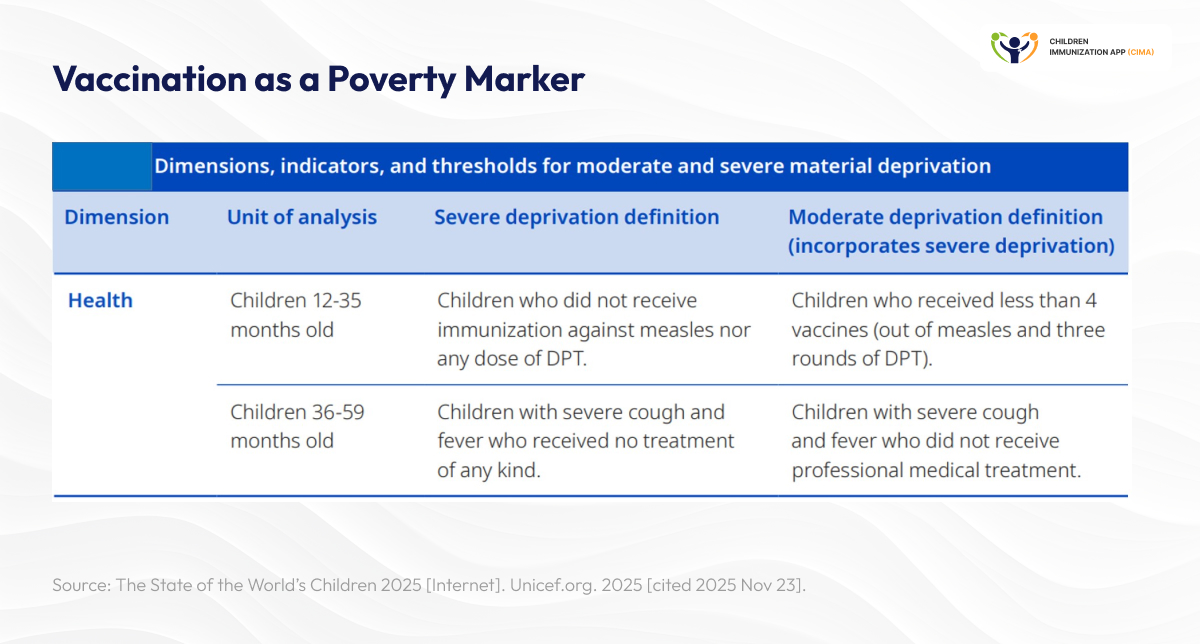
UNICEF's 2025 thresholds reveal vaccination gaps (measles/DPT) as poverty indicators.
The Poverty-Vaccination Nexus by Income Level
The report's analysis reveals stark disparities in severe health deprivation across country income classifications, with the most impoverished nations bearing the heaviest burden:
- Low-income countries: 22.7% of children experience severe health deprivation
- Lower-middle-income countries: 11.6% face severe health deprivation
- Upper-middle-income countries: 8.1% suffer severe health deprivation
These rates demonstrate a clear correlation between national economic capacity and children's access to lifesaving vaccines. In low-income countries, more than one in five children completely miss essential immunizations. This is a staggering failure of the health system that can prolong intergenerational poverty cycles.
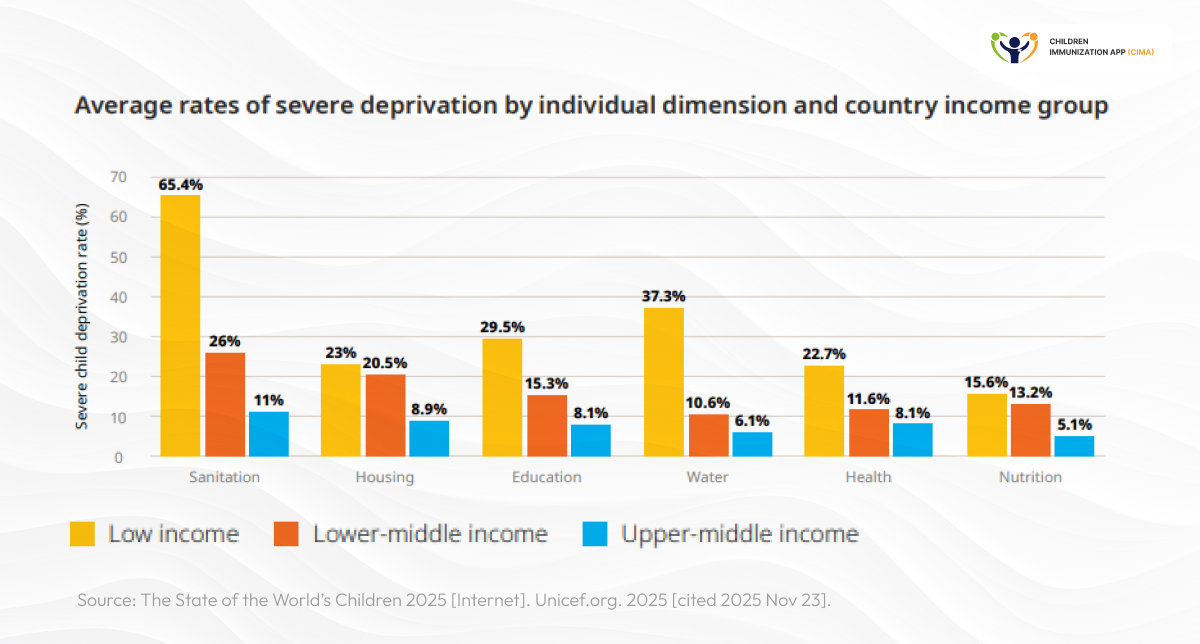
UNICEF bar chart: Over 1 in 5 children in low-income nations lack vaccines—health deprivation peaks at 22.7%.
Sub-Saharan Africa: The Epicenter of Vaccine Deprivation
Geographic Concentration of Extreme Child Poverty: The UNICEF report identifies sub-Saharan Africa as the epicenter of child poverty globally, with 76% of all children living in extreme monetary poverty concentrated in this region. This geographic concentration intersects directly with vaccination challenges, as structural barriers such as weak health infrastructure, conflict, climate shocks, and funding shortfalls prevent children from accessing immunization services.
Rising Conflict: In 2024, nearly one in five children lived in conflict areas—almost double the percentage from the mid-1990s. Conflict disrupts health systems, displaces populations, and makes routine immunization impossible. The report documents that extreme child poverty in fragile and conflict-affected states rose from 46% to 50.2% between 2014 and 2024, while declining in other settings.
Climate Disruptions: In 2024 alone, 242 million children experienced school disruptions due to climate shocks. These environmental hazards damage health infrastructure, disrupt supply chains, and force families into survival mode, where preventive care such as vaccination becomes secondary to immediate needs.
- Funding Crisis: In many low-income African countries, repayments on external debt now exceed total combined spending on health and education. Across Africa, $70 per person is allocated to debt payments, while only $44 per person is dedicated to funding all health services, leaving vaccination programs under-resourced.
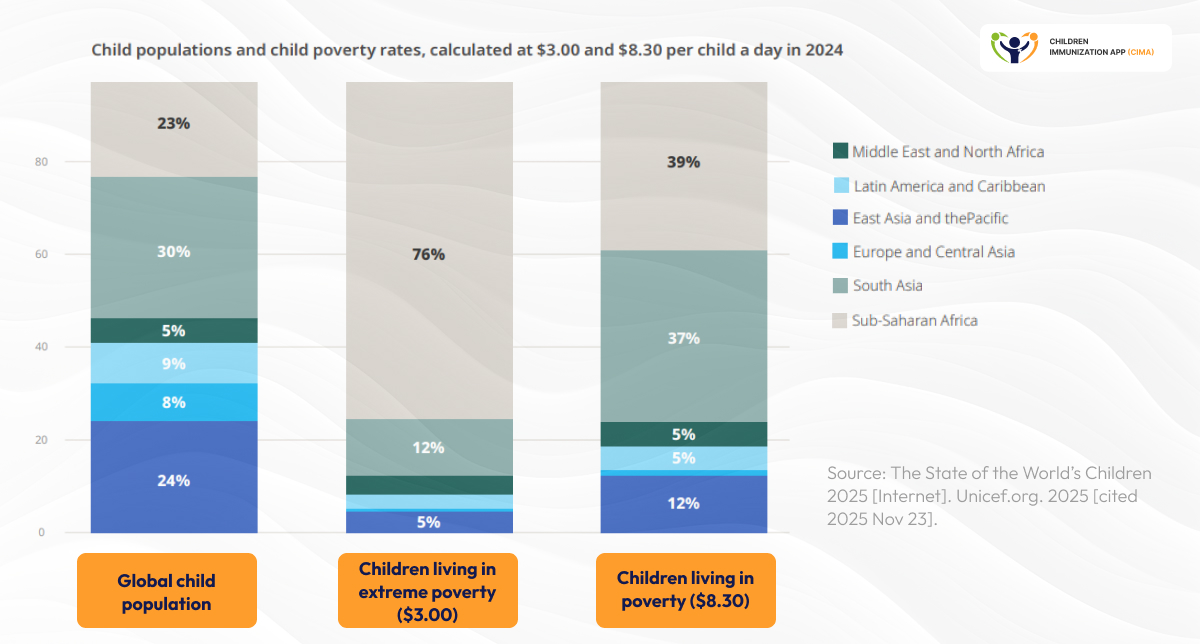
76% of extreme poverty is in Sub-Saharan Africa, where vaccination systems are most problematic.
Success stories showcase what can be achieved
Despite these challenges, several African nations have achieved remarkable progress through integrated approaches:
Senegal: Implemented comprehensive free immunization and maternal health care initiatives specifically designed to ensure coverage for poor and rural populations. By removing financial barriers and extending geographic reach, Senegal demonstrates how universal vaccination access can serve as both a poverty intervention and a health outcome.
Bangladesh: While not in sub-Saharan Africa, Bangladesh's integrated maternal and infant nutrition programs, combined with community health education, have steadily reduced stunting rates, demonstrating that holistic approaches yield multiplier outcomes across dimensions of poverty.
- United Republic of Tanzania: Achieved a 46 percentage-point reduction in severe child deprivation between 2000 and 2023 through expanded cash transfer programs combined with strategic investments in child nutrition, improved urban water and sanitation access, and fee-free primary and secondary education.
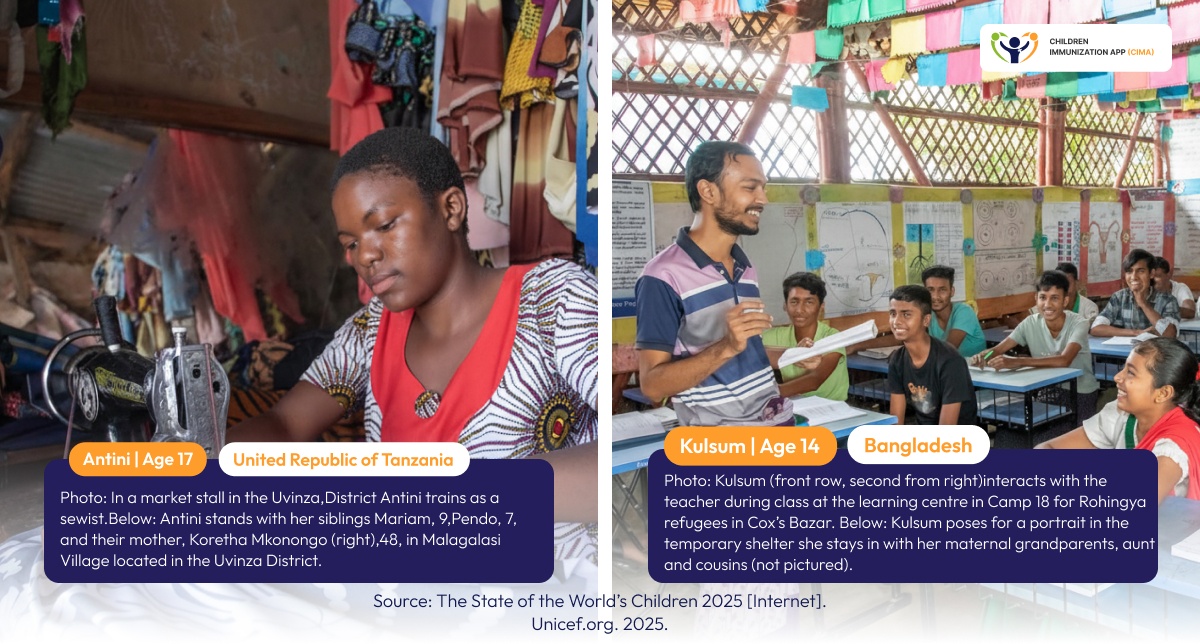
Bangladesh's education investments unlock health access, and Economic empowerment in Tanzania helps children get vaccinated.
Understanding the Six Dimensions of Child Deprivation
The UNICEF report establishes that child poverty cannot be understood through monetary measures alone. The 417 million children experiencing multidimensional deprivation face simultaneous barriers across six critical dimensions:
- 1- Health: Including vaccination access.
- 2- Education: School enrollment and attendance.
- 3- Housing: Overcrowding, safety, and privacy.
- 4- Nutrition: Stunting, wasting, and food security.
- 5- Sanitation: Toilet facilities and waste management.
- 6- Water: Safe drinking water access.
Children experiencing deprivation in at least two of these dimensions face compounding disadvantages that reinforce each other. Barriers to vaccination are rarely isolated; they often overlap and intertwine. l. A child who misses vaccines often lives in overcrowded housing with poor sanitation, attends school irregularly or not at all, suffers from malnutrition, and lacks access to clean water, each factor both resulting from and contributing to poverty.
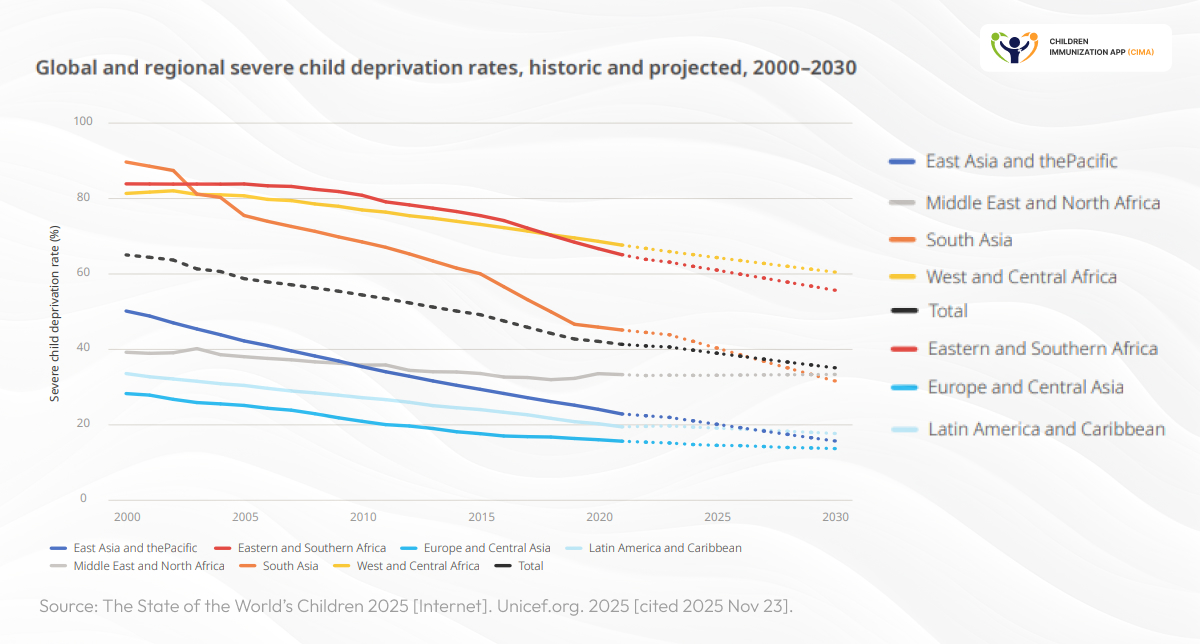
Where severe deprivation persists through 2030, vaccine access remains one of six barriers.
Why Traditional Approaches Fall Short
The evidence presented in the report highlights the significance of integrated services and the limitations of single-dimensional approaches. It specifically notes that cash transfers are most effective when accompanied by complementary social services, such as free education and fee waivers for health services.
For instance, Peru transformed childhood outcomes through an innovative extended school-day program that integrates health services, nutrition support, and remedial education, addressing multiple dimensions of deprivation simultaneously.
- Such holistic models, combined with robust vaccination campaigns and nutrition interventions, have dramatically reduced both child mortality and stunting rates among vulnerable populations, proving that education settings can serve as powerful platforms for comprehensive child health interventions.
What is needed instead are integrated ecosystems that simultaneously address multiple barriers while building sustainable capacity at every level, from national health systems to individual healthcare workers to parents themselves. This is where CIMA Care's holistic approach becomes transformative.
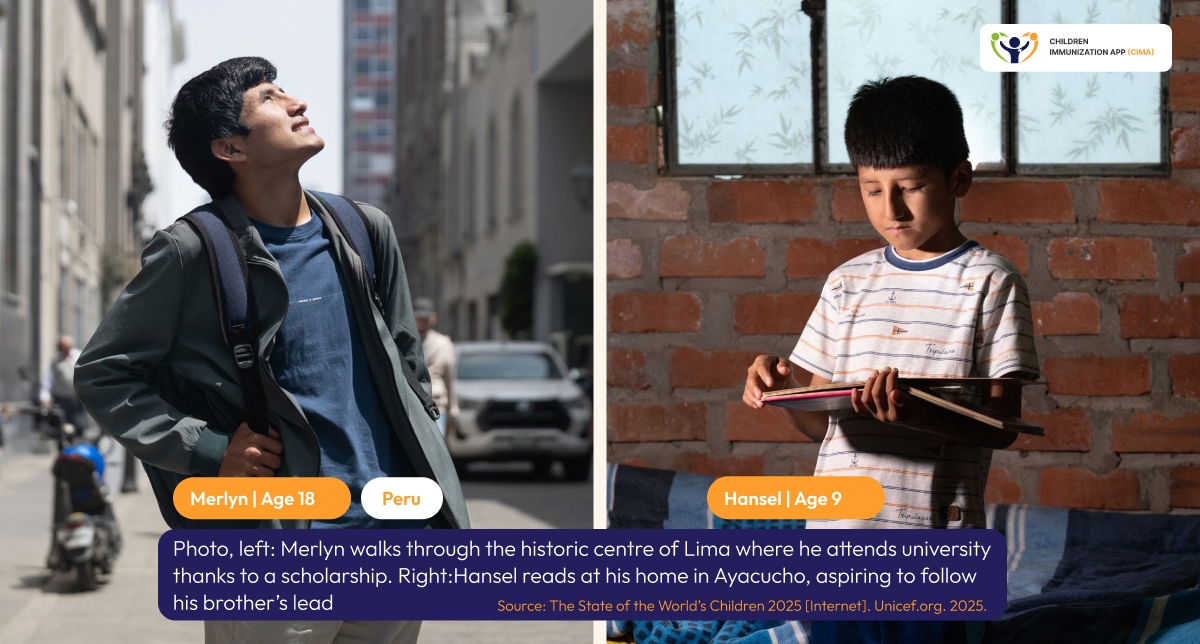
Peru's integrated school programs confirm vaccination succeeds more with education, not in isolation.
CIMA Care: A Holistic Response to Multidimensional Vaccination Challenges
One critical finding from UNICEF's analysis is that many children face severe deprivation within households not counted as poor through traditional monetary measures. CIMA Care's digital platform directly addresses this measurement challenge by enabling granular, real-time tracking of vaccination coverage that reveals hidden pockets of deprivation.
Comprehensive Vaccination Tracking: Unlike traditional systems that may focus on limited vaccine types or rely on delayed paper-based reporting, CIMA Care's platform tracks the complete immunization schedule. This comprehensive approach ensures no child falls through measurement gaps, directly addressing the severe and moderate deprivation defined by UNICEF.
Geographic Coverage Visualization: CIMA Care generates heat maps and visualization tools that identify areas with low vaccination coverage, enabling data-driven resource allocation. These tools are particularly valuable in addressing the complex geographic disparities documented in sub-Saharan Africa, where rural populations, urban slums, and conflict-affected areas require different intervention strategies.
Defaulter Identification: The platform's automated defaulter identification feature enables healthcare workers to systematically track children who miss scheduled vaccinations, directly targeting the gap between severe deprivation and complete coverage. Community health workers can receive actionable lists enabling proactive outreach rather than reactive crisis response.
Building Capacity Through Evidence-Based Education: The UNICEF report identifies strengthening social services and the community health workforce as vital for supporting malnourished and out-of-school children. CIMA Health Academy directly addresses these knowledge gaps through CPD-certified professional development.
Evidence-Based Parent Education: The UNICEF report notes that the education level of the head of household is a factor in poverty, with children facing a much higher extreme poverty rate when the household head has no education compared with those who have a tertiary education.
- Automated Multilingual Health Messaging: CIMA Care's automated SMS system delivers WHO, UNICEF, and UNODC-validated health messages to parents in their preferred languages. These messages address the knowledge gaps that contribute to vaccine hesitancy while building understanding of the broader connections between vaccination and child development, nutrition, and overall well-being, as documented in the UNICEF report.
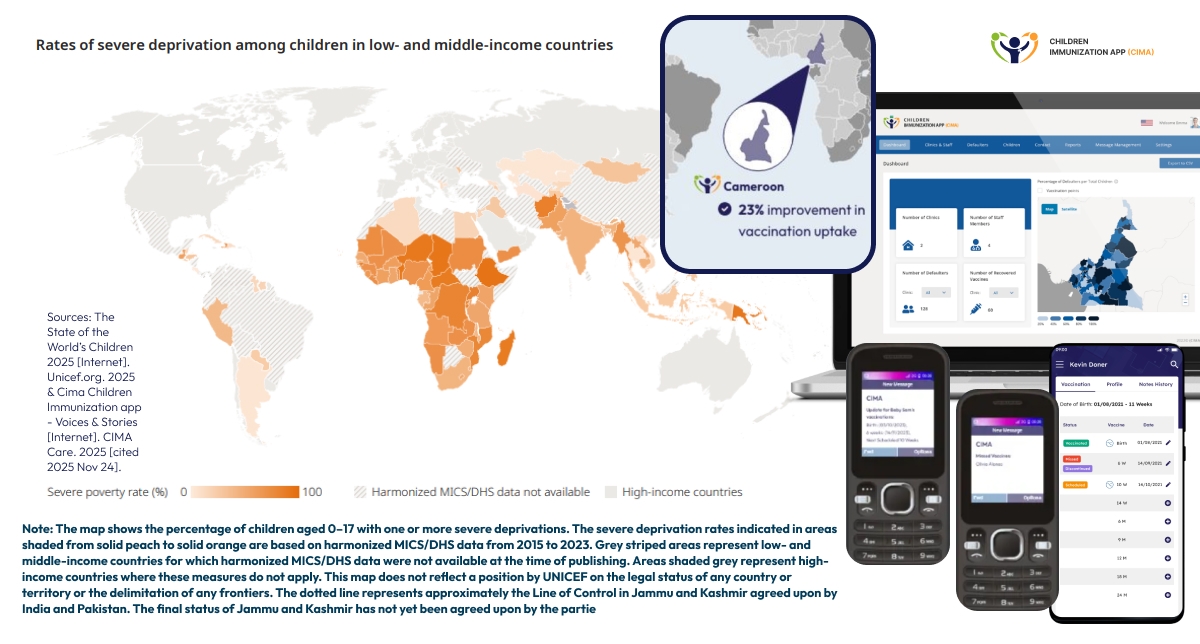
Where UNICEF maps show crisis, CIMA Care's digital tools deliver solutions, with 23% gains proven.
Proven Impact in Vulnerable Settings
CIMA Care's implementation studies demonstrate measurable success in the types of fragile and resource-constrained settings identified as priorities in the UNICEF report:
Jordan's Zaatari Refugee Camp: A 19% improvement in vaccination uptake among Syrian refugees, a population facing extreme vulnerability, displacement trauma, and systematic barriers to healthcare access. This success in a humanitarian setting validates CIMA Care's effectiveness where traditional health systems are absent or disrupted. [2]
- Cameroon's Bamenda Region: A 23% reduction in late vaccination returns in Bamenda, North-West Cameroon—a conflict-affected region where nearly one-quarter of children have zero-dose vaccination status. CIMA's integrated digital tracking and automated SMS system, combining appointment reminders with WHO, UNICEF, and UNODC parenting education, achieved 92.4% on-time return rates compared to 75.3% in the control group, while reducing loss-to-follow-up from 18.9% to 6.8%. These improvements occurred among families with significantly lower incomes and higher unemployment rates, demonstrating effectiveness precisely among the vulnerable populations that UNICEF identifies as most at risk. Following these results, Cameroon's Ministry of Health requested a scale-up to 17 additional clinics. This sub-Saharan African implementation demonstrates scalability in precisely the geographic region identified as having the highest concentration of child poverty. [3]
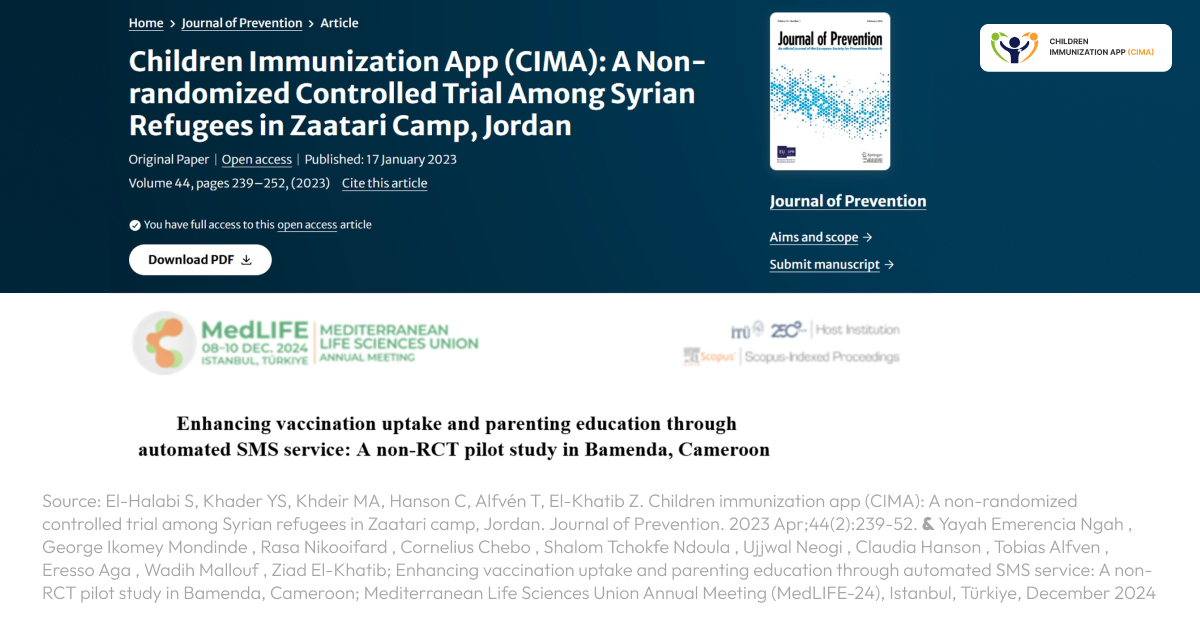
Published proof: CIMA delivers 19-23% vaccination gains in refugee and conflict zones.
Real-World Validation
Beyond statistics, field reports from vaccination nurses describe CIMA Care's defaulter tracking as "revolutionizing their follow-up process." Moreover, mothers report that automated reminders "eliminate any reason to miss their children's vaccines." These qualitative insights confirm that the platform addresses not just technical gaps but also the human factors of motivation, memory, and prioritization that influence vaccination behavior. [4-9]
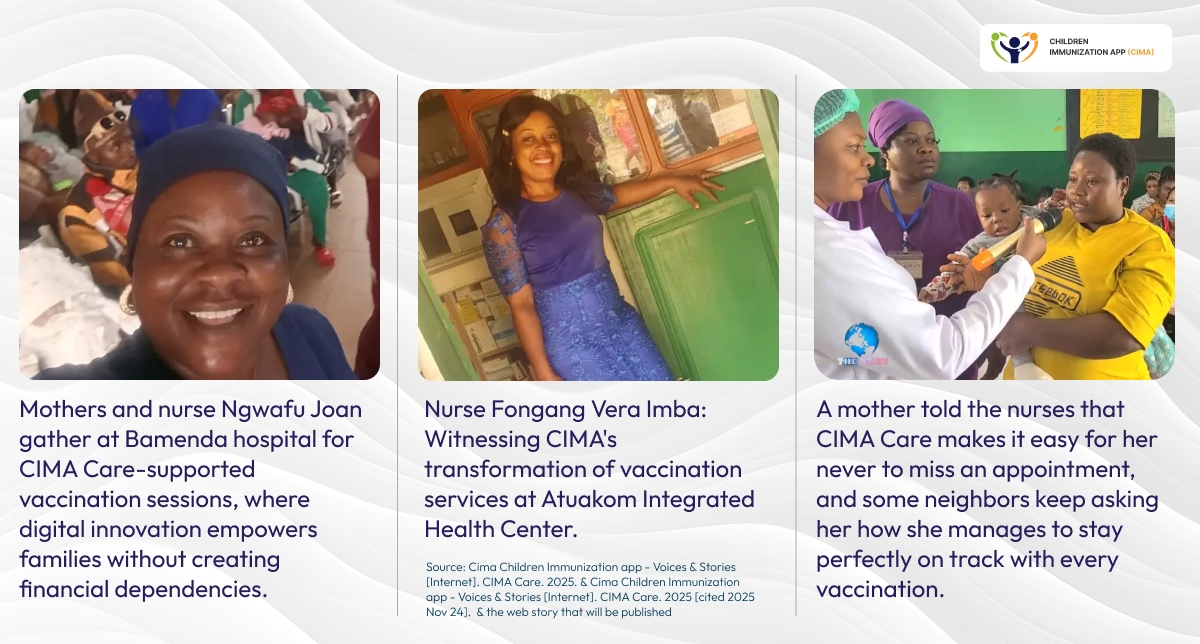
Frontline voices validate CIMA: nurses revolutionized, mothers empowered, vaccines delivered.
Building Resilience in Fragile Settings
The UNICEF report emphasizes that conflict, climate shocks, and funding shortfalls are not distant threats, but present realities undermining a child's well-being. CIMA Care's digital ecosystem is specifically designed to maintain functionality even when traditional health infrastructure fails:
Offline Capability: The CIMA app functions without constant internet connectivity, enabling healthcare workers in remote areas or conflict zones to continue tracking vaccinations and accessing child health records. Data synchronizes automatically when connectivity is restored, ensuring no information is lost during disruptions.
Rapid Deployment: Digital platforms can be deployed and scaled far more rapidly than building physical health infrastructure, which is critical in humanitarian contexts where time sensitivity determines life outcomes. CIMA Care's proven track record in refugee settings demonstrates this adaptability.
- Cost-Effectiveness: In contexts where funding is limited, digital solutions offer exceptional value by multiplying the effectiveness of existing health workers and extending reach without incurring proportional costs. This addresses the structural funding crisis documented in the report, where debt servicing crowds out health investments.
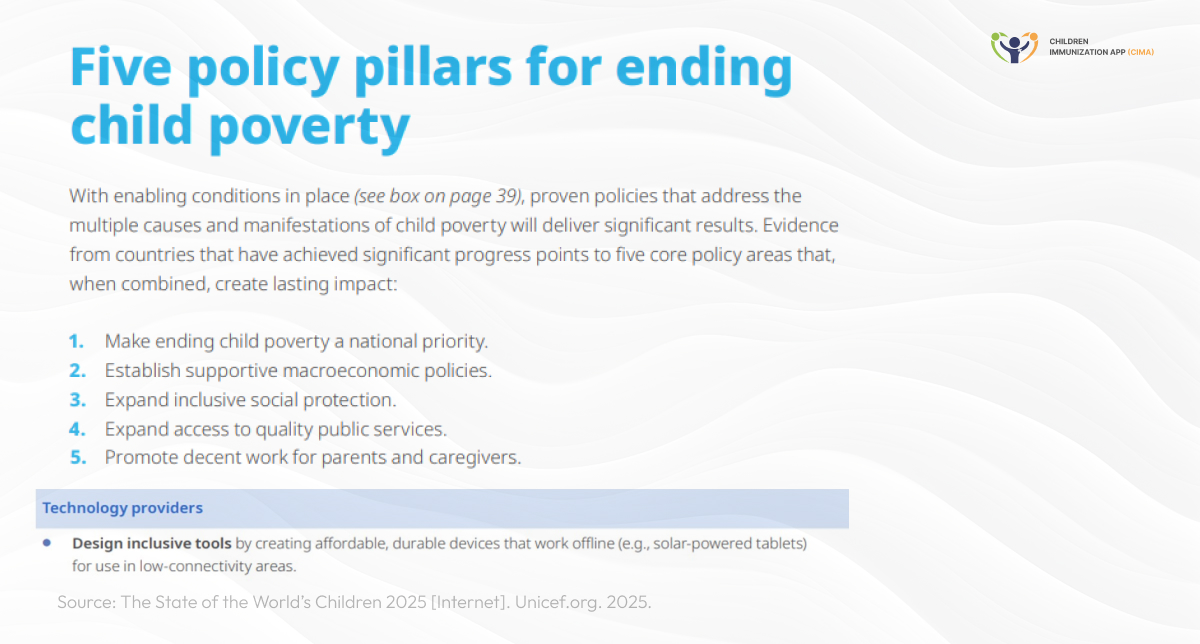
UNICEF's policy pillars demand quality health services; CIMA's holistic ecosystem helps deliver them.
Help Removing Financial Barriers to Knowledge
The report emphasizes that cash transfer programs are most effective when linked with complementary services like free primary education, health fee waivers, and childcare.
So far, CIMA Health Academy has provided courses free of charge to healthcare professionals worldwide, embodying the principle that knowledge should never be a privilege. As we transition to a sustainable model that ensures long-term impact, we maintain our commitment to equity through automatic country-based discounts aligned with World Bank income classifications.
CIMA Health Academy reflects the report's equity-driven approach by implementing automatic country-based discounts. This ensures that healthcare professionals in low-income nations, where vaccination challenges are the most significant, can access world-class, CPD-certified training at an affordable rate. Professionals in these low-income countries receive discounts of 90%. CIMA Health Academy ensures that financial limitations will not hinder capacity building where it is most necessary.
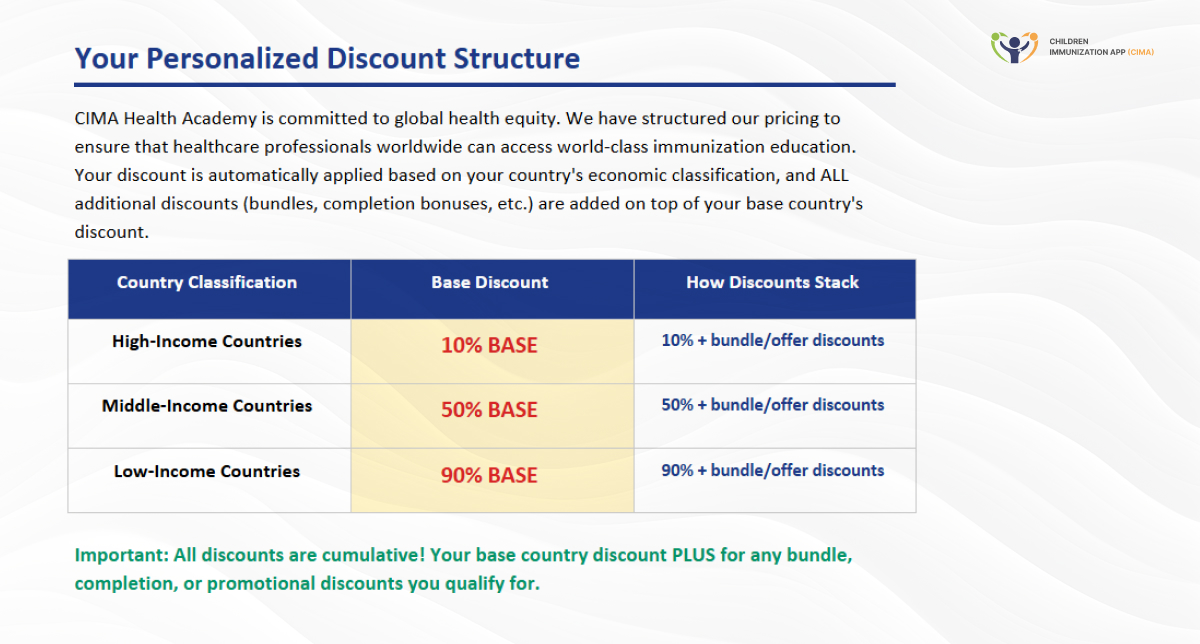
Where vaccination gaps are widest, CIMA education is 90% subsidized, and equity drives access.
Global Action, Collective Impact
The UNICEF 2025 report makes an urgent appeal: "No matter how determined, national efforts alone are not always enough to end child poverty. Economic crises, climate shocks, and conflicts know no borders, making child poverty a shared imperative for us all." CIMA Care embodies this principle of collective action by connecting national health authorities, international NGOs, academic institutions, healthcare professionals, community health workers, and parents into an integrated ecosystem where information flows freely, accountability is transparent, and every stakeholder can contribute to ensuring no child is left behind.
Across 77+ countries, from Algeria to Zambia, spanning Afghanistan to Yemen, the UAE to the United Kingdom, CIMA Care creates a truly global collaborative environment where international evidence-based standards meet local healthcare realities. Our collaborations with organizations, including prestigious centers like Jordan CDC, Cameroon EPI, Rwanda Biomedical Center, Lebanese American University, and Makerere University School of Public Health, demonstrate the power of networked solutions to global challenges.
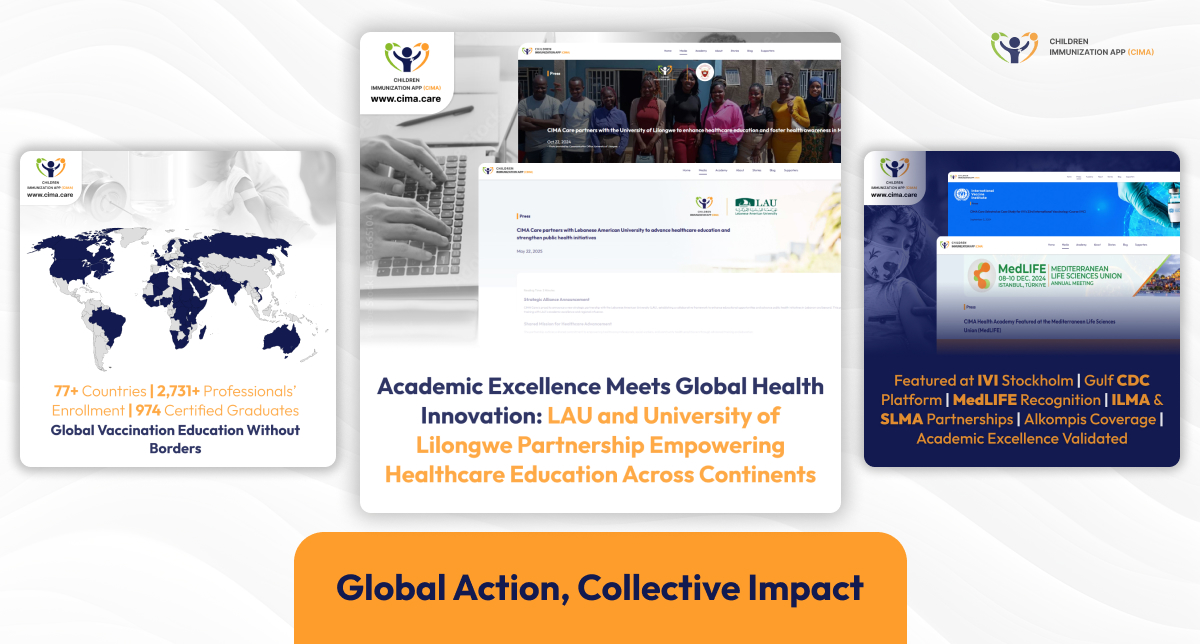
77+ nations connected: CIMA Care's vaccination APP and the education ecosystem demonstrate how collective action works.
Transforming Evidence into Effect
As we work toward the WHO's Immunization Agenda 2030 and UN Sustainable Development Goal 3, integrated ecosystems like CIMA Care represent the future of vaccination efforts, combining technological innovation with human expertise, local knowledge with global standards, and immediate impact with sustainable capacity building. By addressing the measurement gaps, service delivery barriers, and knowledge deficits documented in UNICEF's comprehensive analysis, CIMA Care helps ensure that vaccination becomes not a marker of privilege but a universal reality protecting every child's right to health and development.
Join the Movement and Visit www.cima.care to discover how our digital platform and CPD-certified education programs can strengthen your immunization coverage, support your health workforce, and contribute to global efforts to end child poverty through universal vaccination access.
The evidence is clear. The tools are available. The time to act is now.
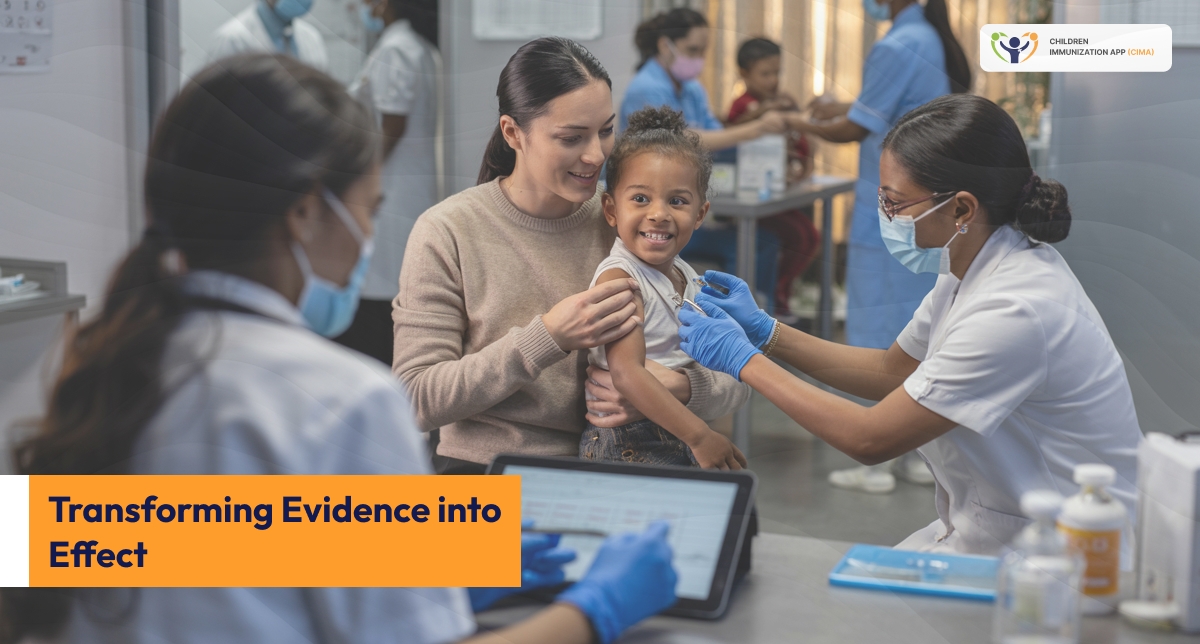
CIMA Care verifies the solution exists: nurses supported, mothers empowered, and children protected.
Image References
- 1. United Nations Children’s Fund (UNICEF). The State of the World’s Children 2025: Ending child poverty: Our shared imperative [Internet]. New York: UNICEF; 2025 [cited 2026 May 26]. Available from: https://www.unicef.org/reports/state-of-worlds-children/2025#download
- 2. Author(s) unknown. Article available on PubMed Central [Internet]. PubMed Central; [cited 2026 May 26]. Available from: https://pmc.ncbi.nlm.nih.gov/articles/PMC10050023/
- 3. CIMA Care. Stories [Internet]. CIMA Care; [cited 2026 May 26]. Available from: https://www.cima.care/insights/stories/
Blog Resources
- 1- The State of the World’s Children 2025 [Internet]. Unicef.org. 2025. Available from: https://www.unicef.org/reports/state-of-worlds-children/2025?utm_source=email&utm_medium=newsletter&utm_content=global&utm_campaign=wcd-2025-en#download
- 2- El-Halabi S, Khader YS, Khdeir MA, Hanson C, Alfvén T, El-Khatib Z. Children immunization app (CIMA): A non-randomized controlled trial among Syrian refugees in Zaatari camp, Jordan. Journal of Prevention. 2023 Apr;44(2):239-52.
- 3- Yayah Emerencia Ngah, George Ikomey Mondinde, Rasa Nikooifard, Cornelius Chebo, Shalom Tchokfe Ndoula, Ujjwal Neogi, Claudia Hanson, Tobias Alfven, Eresso Aga, Wadih Mallouf, Ziad El-Khatib. Enhancing vaccination uptake and parenting education through automated SMS service: A non-RCT pilot study in Bamenda, Cameroon. Mediterranean Life Sciences Union Annual Meeting (MedLIFE-24), Istanbul, Türkiye, December 2024.
- 4- CIMA | Children Immunization App [Internet]. Cima.care. 2025. Available from: https://www.cima.care/stories?story=cima-revolution-in-child-health
- 5- Cima Children Immunization app - Voices & Stories [Internet]. CIMA Care. 2025. Available from: https://www.cima.care/stories?story=digital-innovation-atuakom
- 6- Cima.care. 2025 [cited 2025 Nov 23]. Available from: https://www.cima.care/stories?story=cima-care-star-tv-interview-northwest-cameroon-vaccination
- 7- Cima.care. 2025 [cited 2025 Nov 23]. Available from: https://www.cima.care/stories?story=academic-validation-cima-care-vaccination-breakthrough-cameroon
- 8- Cima Children Immunization app - Voices & Stories [Internet]. CIMA Care. 2025 [cited 2025 Nov 23]. Available from: https://www.cima.care/stories?story=forgotten-to-protected-regional-coordinator-testimony
- 9- Cima Children Immunization app - Voices & Stories [Internet]. CIMA Care. 2025 [cited 2025 Dec 31]. Available from: https://www.cima.care/stories?story=mothers-voices-cima-care-bamenda-hospital
Enjoyed this article?
Share it with your friends on LinkedIn: Vaccination as a Health-Related Poverty Indicator: UNICEF's 2025 Report Reveals the Underlying Crisis 
Follow us on LinkedIn for more updates and insights: Cima Care GmbH