
Evidence-Based Analysis: How Pregnancy Vaccines Provide Safe Protection for Both Mother & Baby Lives |
July 29, 2025 . 7 Minutes read
Protecting Two Lives: The Science Behind Vaccines During Pregnancy
Maternal vaccination represents one of the most elegant solutions in current medicine, protecting both mother and child with a single intervention. Recent evidence suggests that vaccines administered during pregnancy offer robust protection against serious diseases while maintaining an outstanding safety profile for both maternal and fetal health.
Nature's Most Advanced Protective System
During pregnancy, the body has a remarkable way of protecting the baby through a process involving the neonatal Fc receptor (FcRn). [7] This receptor acts like a selective gateway, allowing important maternal IgG antibodies to cross the placenta and reach the fetus, helping to build the baby’s immune defenses. This antibody transfer becomes significantly more efficient after 28 weeks of gestation, reaching its highest level during the third trimester. [8]
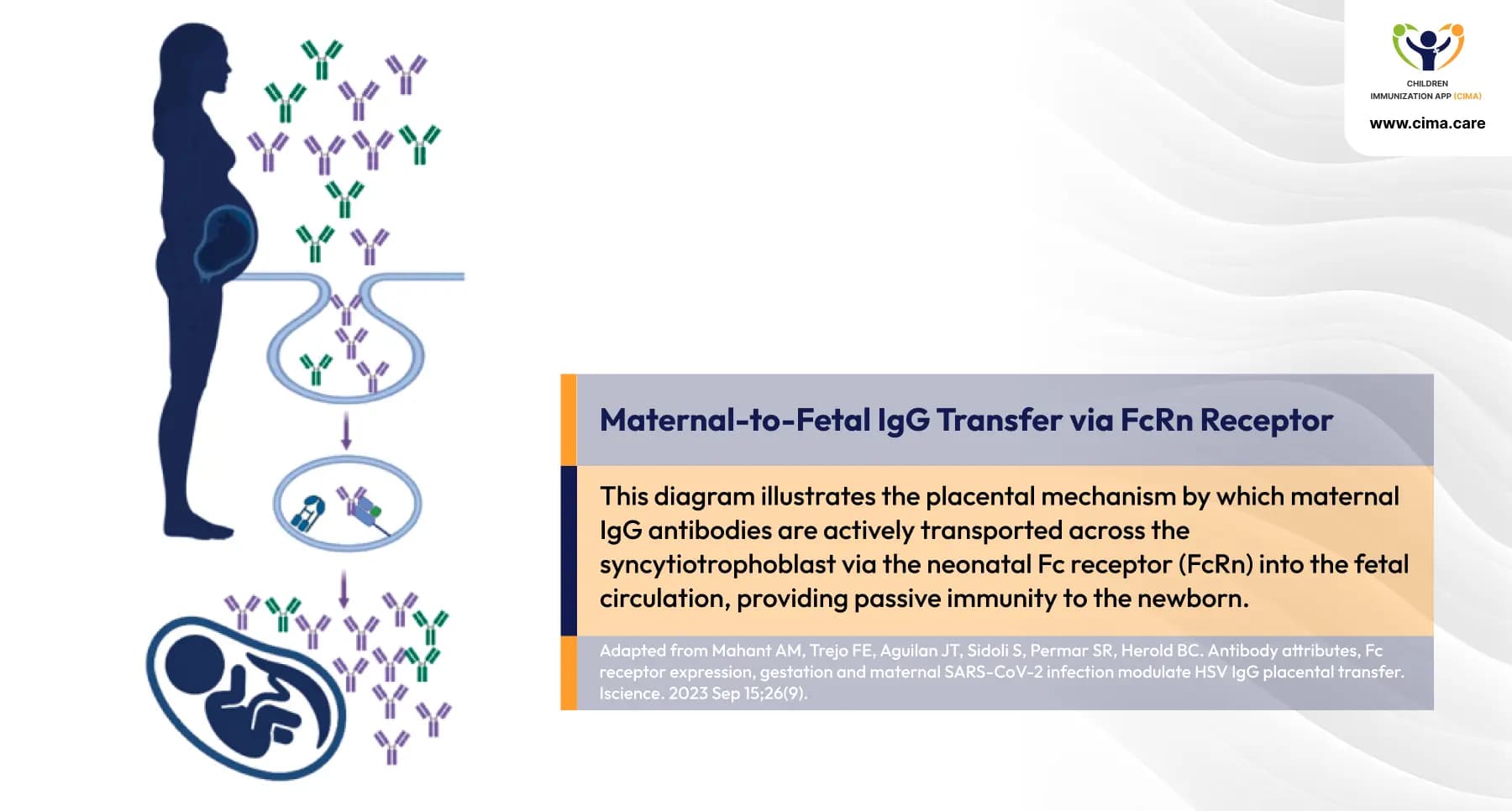
Nature's shield: maternal antibodies cross the placenta via FcRn, protecting newborns.
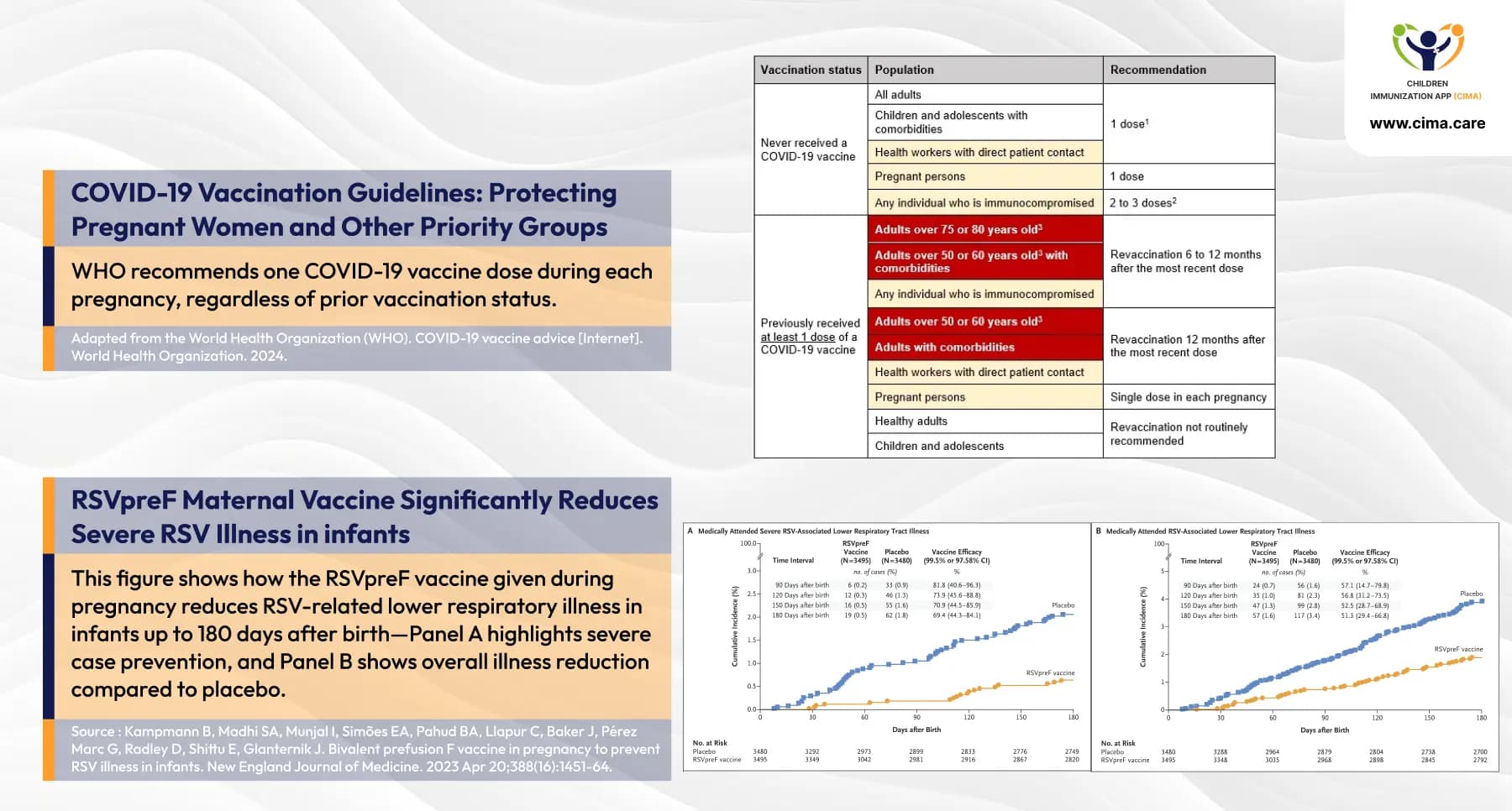
Clinical evidence: WHO guidelines & RSV vaccine data show strong protection for mother & baby.
Evidence-Based Clinical Guide
Major health authorities, including the World Health Organization (WHO), [1] the Centers for Disease Control and Prevention (CDC), [2] and the American College of Obstetricians and Gynecologists (ACOG), [3] continue to strongly recommend vaccination during pregnancy, even amid recent policy debates. [4] A 2022 Nature Communications systematic review involving 117,552 pregnant individuals who received mRNA-based COVID-19 vaccines reported 89.5% effectiveness against infection seven days after the second dose, along with a 15% reduction in stillbirth risk. [5] Meanwhile, a pivotal trial of the respiratory syncytial virus (RSV) vaccine published in The New England Journal of Medicine (NEJM) demonstrated 81.8% efficacy in preventing severe lower respiratory tract illness in infants. [6] Notably, as leading authorities in maternal and perinatal epidemiology, Dr. Deshayne Fell and Prof. Mark Walker have reshaped current understanding of vaccine safety and effectiveness in pregnancy. Their extensive research provides robust evidence supporting the safety of maternal immunization and addresses critical issues related to birth outcomes, neonatal health, and longer-term child wellness. [38 - 52] Prof. Walker's role in founding The Better Outcomes Registry & Network (BORN) Ontario has enabled large-scale, high-quality investigations on vaccination and perinatal health, promoting real-time policy guidance on maternal immunization programs and safety monitoring. [43 & 44]
Vaccination Timing Has a Significant Impact on Antibody Transfer Efficiency
A 2024 study examining RSV vaccination found that administering vaccines at least 5 weeks before delivery resulted in the highest transplacental transfer rates. [9] For COVID-19 vaccines, early third-trimester vaccination (27-31 weeks) produced about 2.3 times higher antibody transfer ratios compared to later vaccination. [10]
The antibody transfer process shows remarkable specificity, with IgG1 antibodies crossing most efficiently, followed by IgG4, IgG3, and IgG2. [11] mRNA vaccines demonstrate superior antibody transfer compared to other platforms, producing higher initial antibody levels and more efficient transplacental transport. [12]
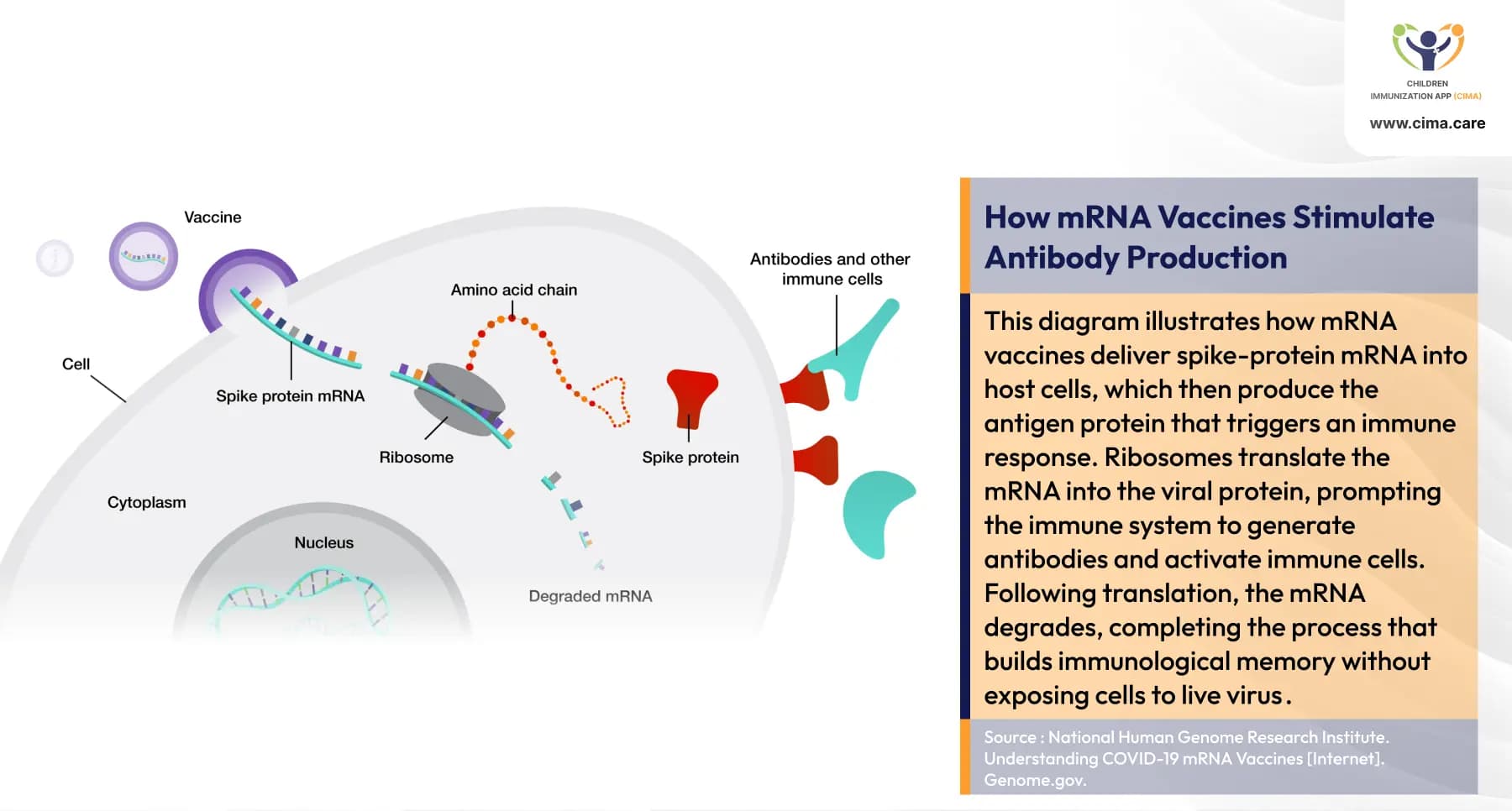
mRNA vaccine mechanism and production of antibodies with superior transplacental transfer rates.
Four Essential Vaccines: What the Latest Evidence Shows
1. COVID-19 vaccination maintains strong medical support despite 2025 policy changes. [4] American College of Obstetricians and Gynecologists (ACOG) issued a forceful statement emphasizing that "COVID infection during pregnancy can be catastrophic." [34] Safety data from hundreds of thousands of pregnant women shows no increase in adverse outcomes. [5] Completion of a two-dose primary mRNA COVID‑19 vaccine series during pregnancy was 61% effective (95% CI: 31%–78%) in preventing hospitalization for infants under 6 months old. Notably, when the series was completed later in pregnancy, effectiveness rose to 80% (95% CI: 55%–91%), compared to 32% (95% CI: –43% to 68%) effectiveness when vaccination occurred earlier in pregnancy. [13] Addotionaly, Multiple large, population-based investigations co-authored by Dr. Fell demonstrated that COVID-19 vaccination during pregnancy does not raise the risk of adverse peripartum outcomes. Effects such as postpartum hemorrhage, chorioamnionitis, cesarean delivery, emergency cesarean, neonatal intensive care unit (NICU) admission, and low Apgar scores (a standardized medical assessment tool used to quickly evaluate the immediate health status of newborn babies at birth) were not significantly elevated in vaccinated compared to unvaccinated or postpartum-vaccinated individuals. [38, 39 & 40] Evidence shows no connection between miscarriage and first-trimester vaccination during pregnancy [45 & 46] and no connection between the third dose (booster) of COVID-19 vaccination during pregnancy and increased risk of adverse pregnancy, fetal, or neonatal outcomes. [41 & 42] Remarkably, infants born to vaccinated mothers had lower rates of severe neonatal morbidity, neonatal death, and Neonatal Intensive Care Unit (NICU) admission compared to those born to unvaccinated mothers. [47]
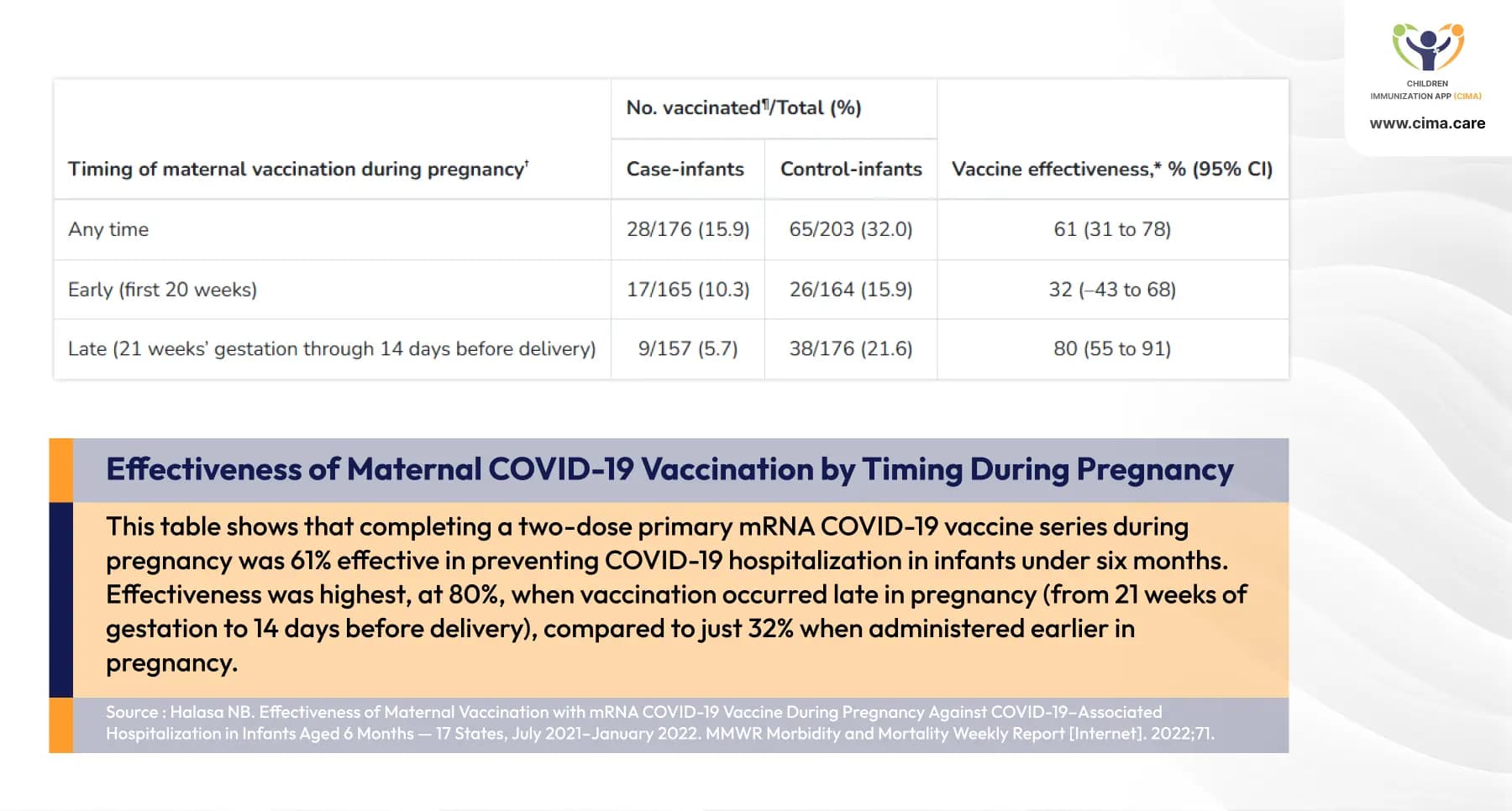
Timing matters: Late pregnancy COVID vaccination is 80% effective vs. 32% early pregnancy.
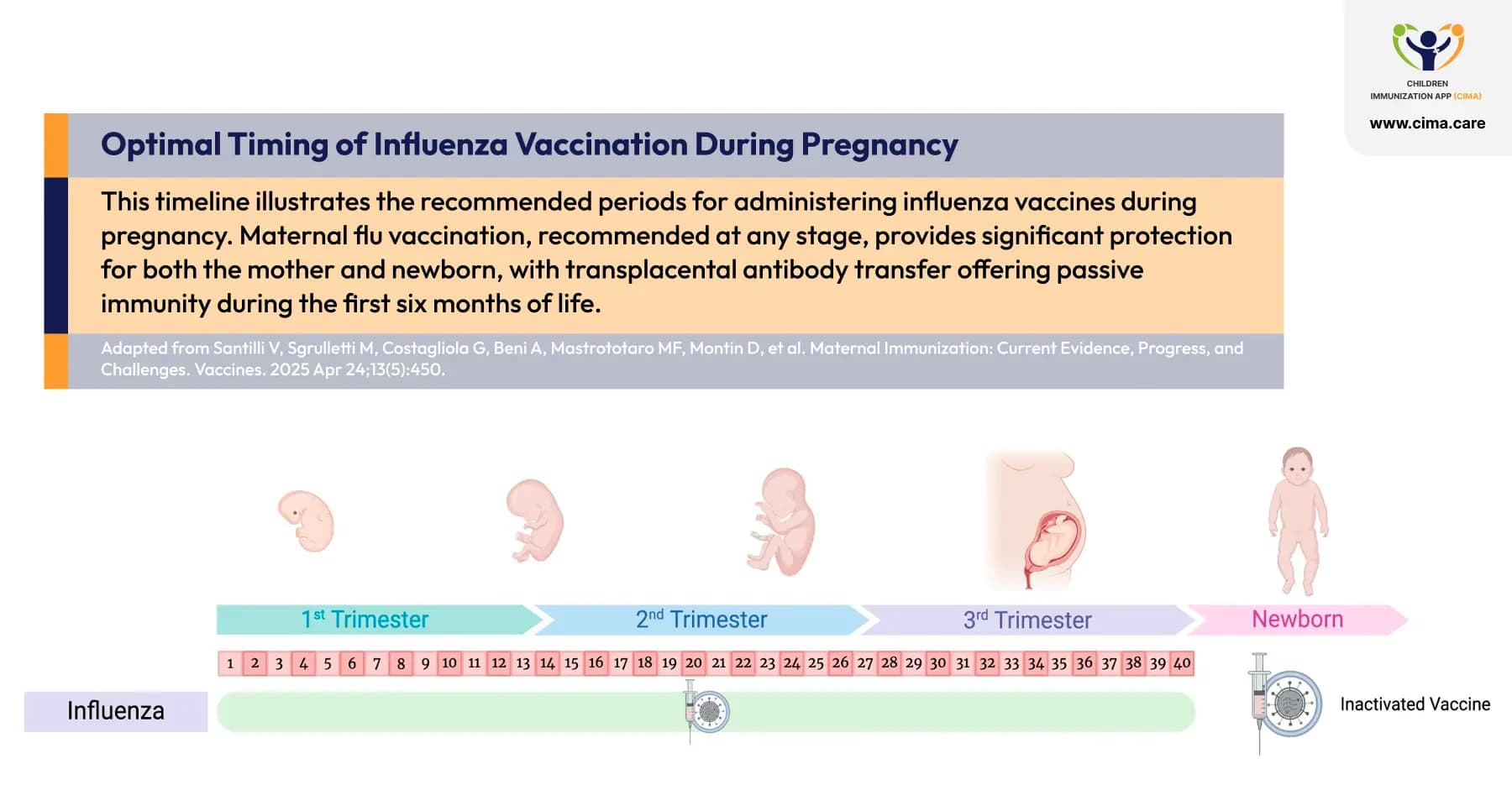
Flu shot anytime during pregnancy: Pregnancy vaccination protects the mother (50–70% reduction in influenza-related hospitalization) & baby for 6+ months.
2. Influenza vaccination remains universally recommended, with research presenting that maternal flu immunization is a vital process for protecting both maternal and neonatal health. Vaccination reduces the risk of influenza-related hospitalization in pregnant individuals by 50–70%. Transplacental antibody transfer provides up to 6 months of passive protection for infants and significantly lowers the incidence of severe respiratory illness. [14], with Dr. Fell's studies confirming that influenza vaccination during pregnancy is highly effective in protecting infants. Across several seasons, effectiveness against laboratory-confirmed influenza infection in infants under 6 months was approximately 64%, and effectiveness against influenza hospitalization reached 67%. [48] While no increased risk of adverse early childhood health outcomes, including hospitalizations or developmental problems, has been linked to maternal seasonal influenza vaccination. [49 & 50]
Over a decade ago, research led by Prof. Walker and Dr. Fell during the 2009–2010 H1N1 pandemic found that maternal H1N1 vaccination reduced the risk of very preterm birth, small-for-gestational-age infants, and fetal death, providing real-world evidence of protective advantages. [51 & 52]
3. Tdap (Tetanus, Diphtheria, and Acellular Pertussis) maternal vaccination during pregnancy is safe, with no evidence of increased risks for adverse pregnancy, birth, or neonatal outcomes, as shown by long-term studies. [53 & 54] Importantly, Tdap maternal vaccination is recommended during the third trimester by both the CDC and ACOG. Real-world data demonstrate that this provides effective protection for infants against pertussis in the first months of life. [15] With high concentrations of maternal pertussis antibodies efficiently transferred to the fetus, providing critical passive protection in the first months of life. [53] Moreover, studies show that 62% to 100% of infants born to vaccinated mothers have protective levels of anti-tetanus and anti-diphtheria IgG, depending on whether the vaccine was administered before or during pregnancy. [15]
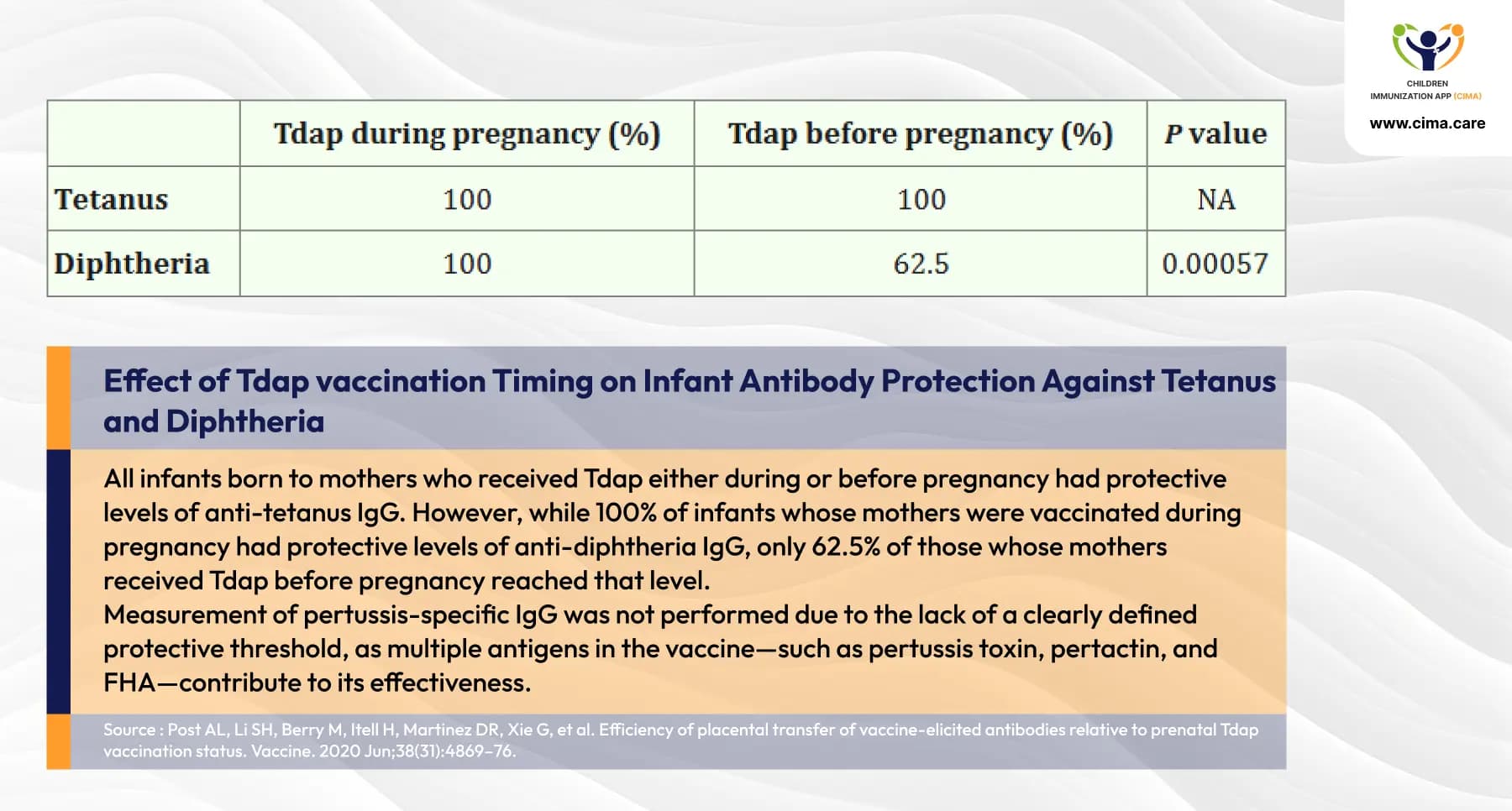
Tdap timing is crucial: 100% diphtheria protection during pregnancy vs 62.5% before conception.
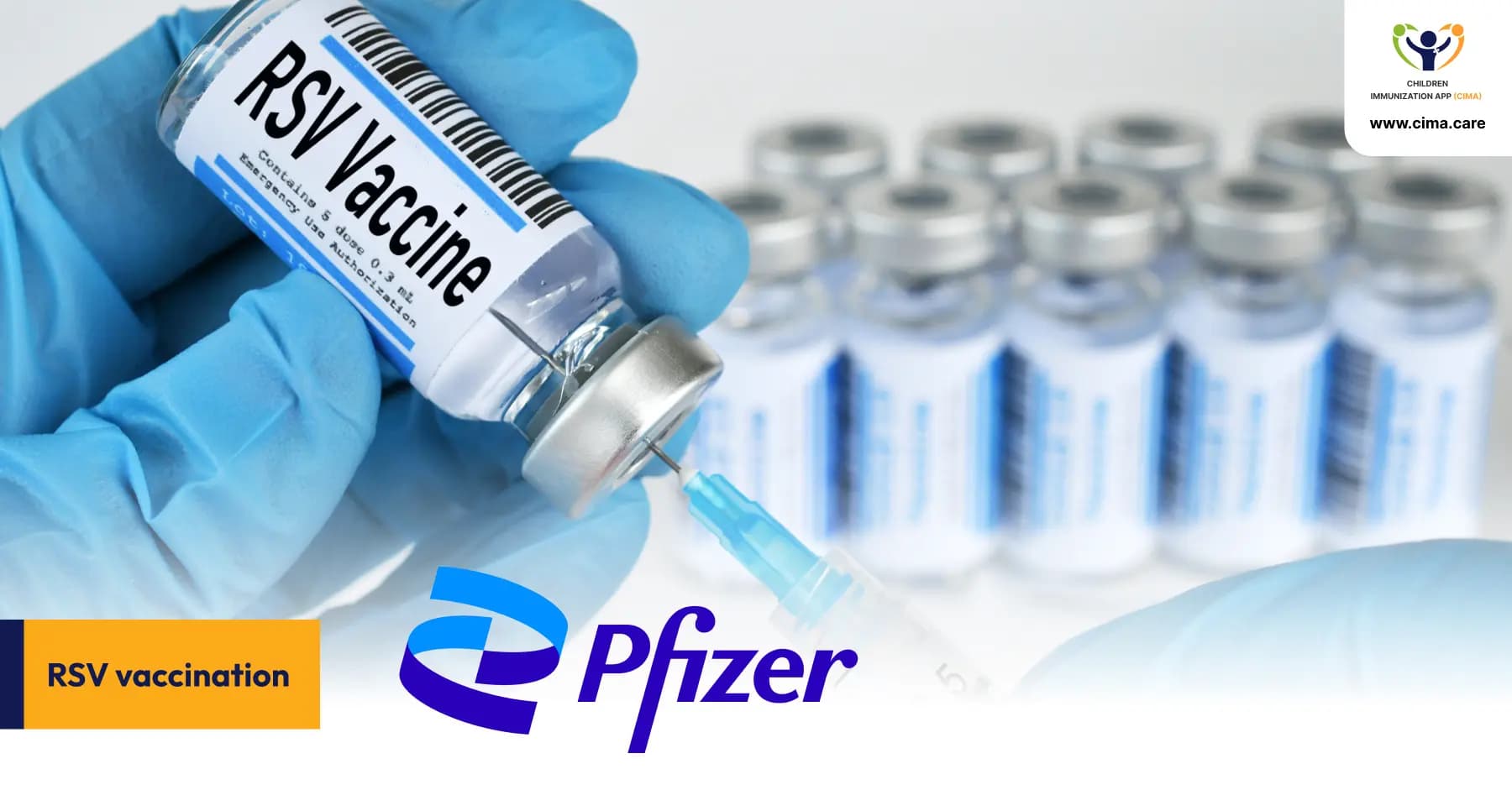
FDA-approved RSV vaccine: Pfizer's Abrysvo provides 81.8% protection for newborns.
4. RSV vaccination represents the newest addition, with Pfizer's RSVpreF vaccine (trade name Abrysvo) as the only RSV vaccine approved by the U.S. Food and Drug Administration (FDA) and recommended by the Centers for Disease Control and Prevention (CDC) for use during pregnancy. A single dose of Pfizer's RSV vaccine (Abrysvo) is recommended for eligible pregnant individuals as part of seasonal administration. Eligibility includes individuals between 32 and 36 weeks of gestation during the current respiratory season, who have not planned a delivery within two weeks, and who have not received the maternal RSV vaccine during a previous pregnancy. In a trial involving approximately 3,500 pregnant individuals, Abrysvo reduced the risk of severe lower respiratory tract infections in infants by 81.8% within 90 days and 69.4% within 180 days after birth, compared to the placebo. [35, 36 & 37]
Debunking Safety Myths with Rock-Solid Evidence
Recent, large-scale studies and systematic reviews confirm that several vaccines, most notably influenza (flu) and Tdap (tetanus, diphtheria, and pertussis), are safe to administer during pregnancy. The evidence consistently shows no increased risk of miscarriage, preterm birth, birth defects, or other adverse outcomes for mothers or infants. For example, a 2024 cohort study found that influenza vaccination in successive pregnancies did not raise the risk of adverse perinatal outcomes, even when doses were given less than a year apart. [16] Multiple reviews and health authorities, including the CDC and WHO, affirm that inactivated influenza vaccines can be safely given in any trimester and that maternal vaccination provides protective antibodies to infants, reducing their risk of severe illness. [17 & 18] Similarly, Tdap vaccination during pregnancy has been shown to have no association with chorioamnionitis, preterm birth, or negative infant outcomes and is recommended to protect newborns from pertussis (whooping cough). [19 & 20] These findings are echoed by systematic reviews and meta-analyses, which report no evidence of increased risk for adverse pregnancy outcomes from maternal influenza, Tdap, pneumococcal, or RSV vaccination.
In summary, the safety of recommended vaccines during pregnancy is well established, and these immunizations play a crucial role in protecting both mothers and their babies from serious infectious diseases. [21 & 22]
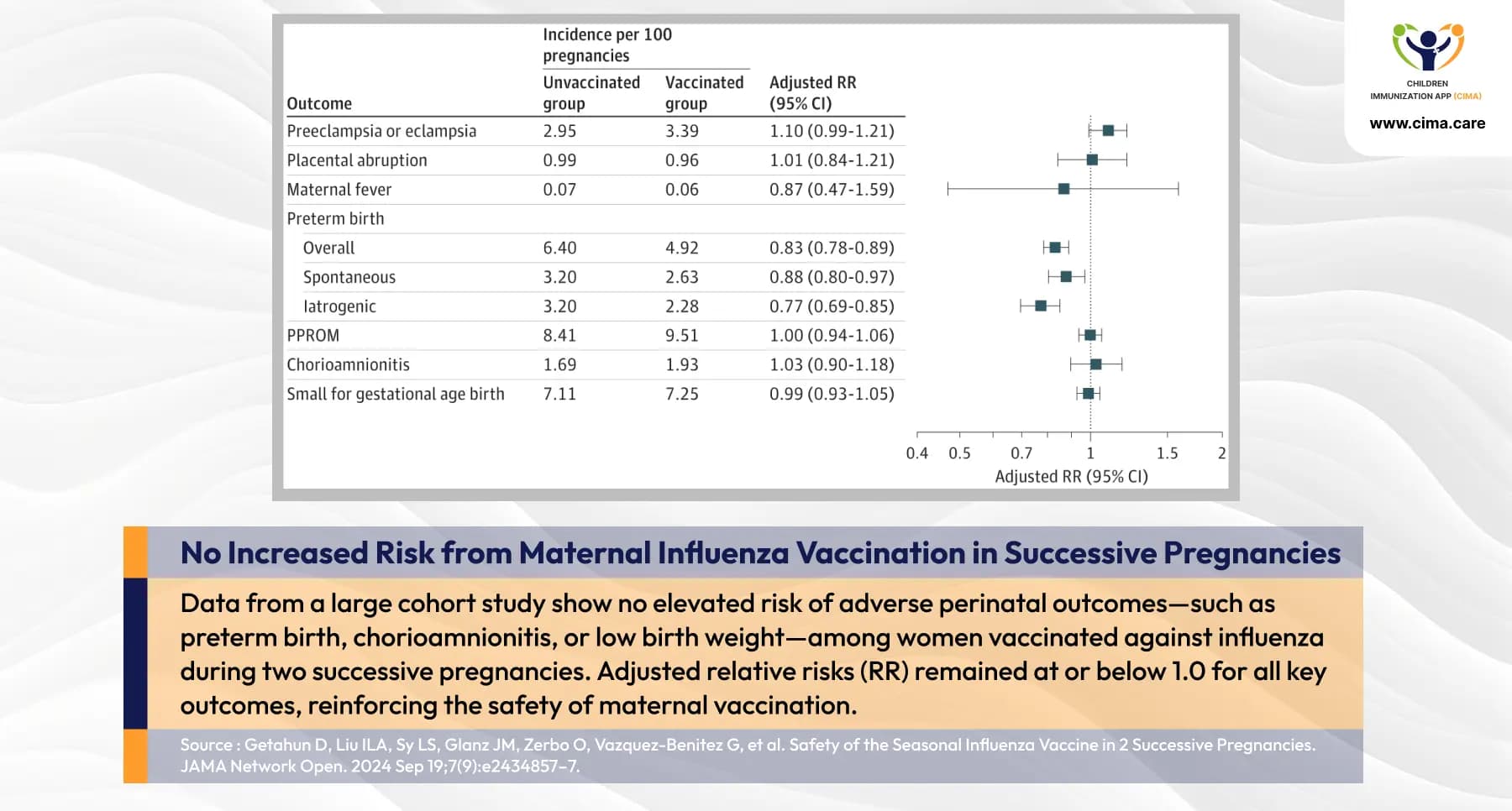
Rock-solid evidence: No increased pregnancy risks from flu vaccination in 2+ successive pregnancies.
Winning the Communication Battle Against Hesitancy
Provider recommendations remain the most influential factor in vaccination decisions, with presumptive communication formats showing superior effectiveness. Studies have revealed that strong, presumptive recommendations can dramatically increase vaccination rates. [23] Women receiving provider offers achieved a 61.4% vaccination rate compared to 22.7% without recommendations. Current hesitancy rates vary by vaccine and region, with CDC data showing that 24.7% of pregnant women are "very hesitant" about influenza vaccination, up from 17.5% in the 2019-20 period. [24] However, RSV vaccine acceptance shows encouraging trends, with 52% of adults in 2024 viewing it as effective, up from 42% in 2023. [25]
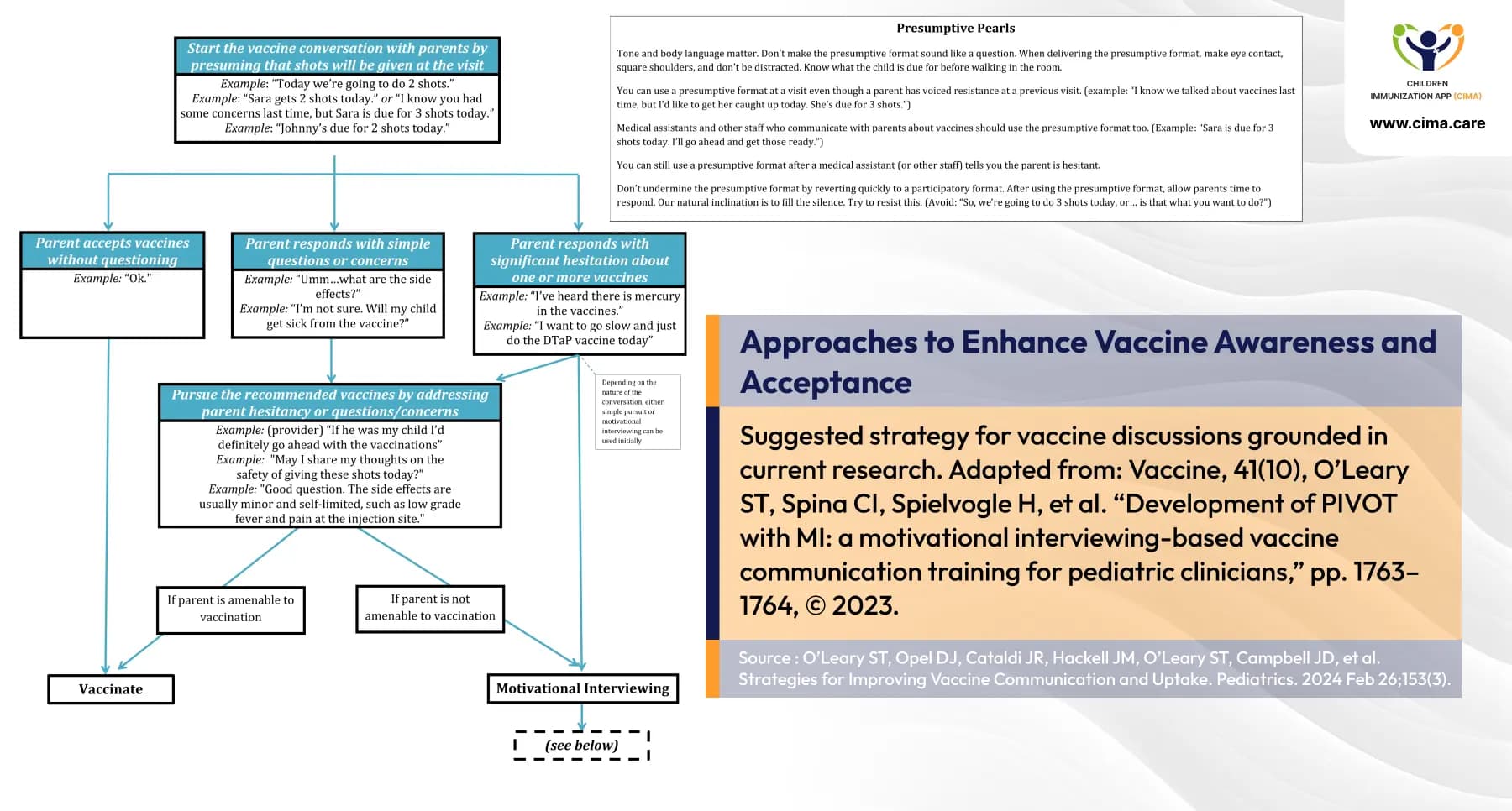
Presumptive approach wins: Provider recommendations boost vaccination rates from 22.7% to 61.4%.
The Future Is Bright: Emerging Vaccines and Technologies
The landscape of pregnancy vaccination is rapidly advancing, with several promising vaccines in development targeting Group B Streptococcus (GBS), cytomegalovirus (CMV), and other significant perinatal pathogens. These research pipelines are poised to expand protection options for pregnant women and their infants:
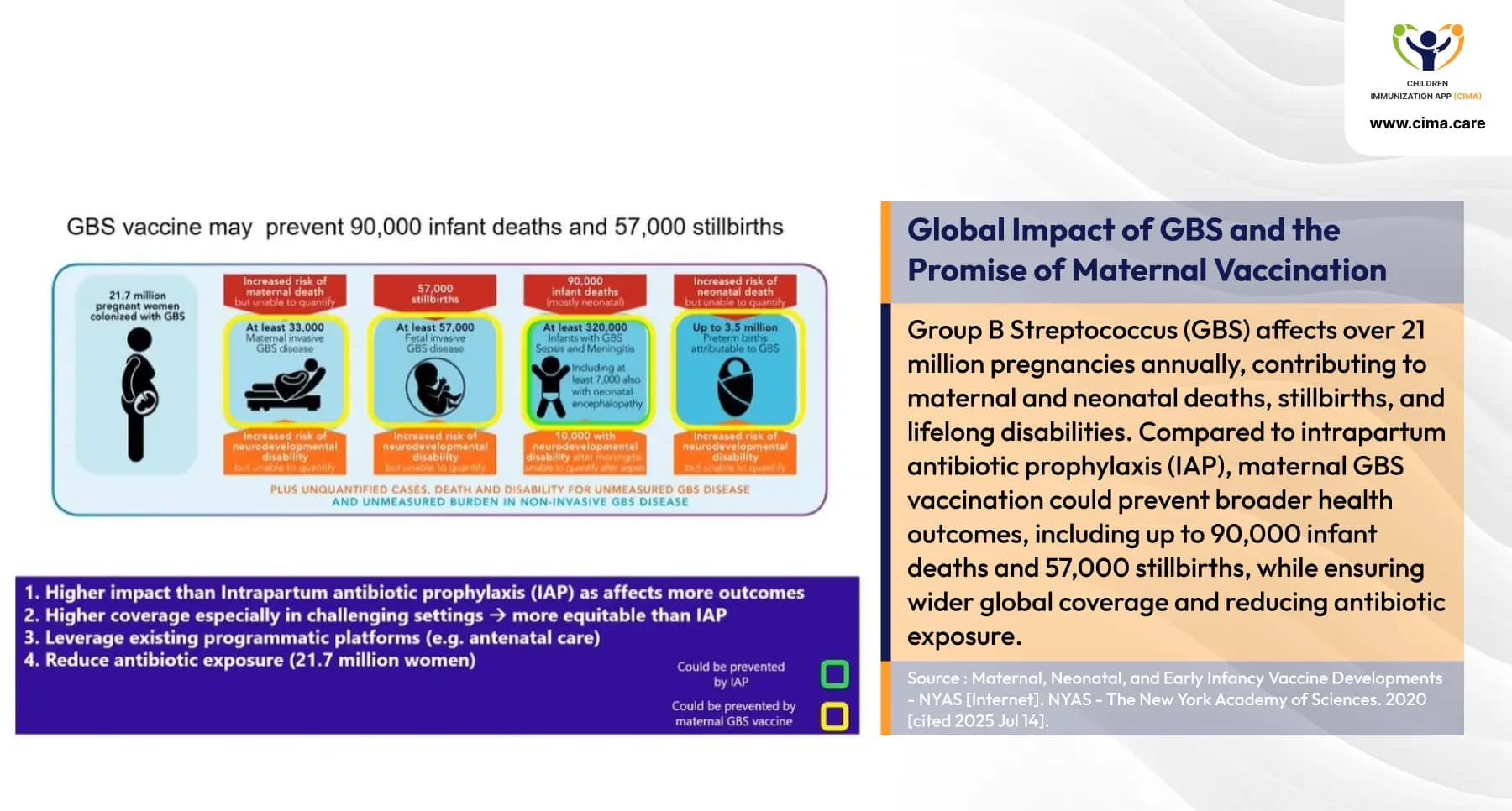
GBS vaccine pipeline breakthrough: 90,000 infant deaths and 57,000 stillbirths can be preventable.
- Group B Streptococcus (GBS):
GBS is a leading cause of neonatal sepsis, pneumonia, and meningitis, and it is also associated with preterm birth and stillbirth. Multiple GBS vaccine candidates are in late-stage clinical trials, including MinervaX’s vaccine and Pfizer’s GBS6, which is being evaluated for safety and immunogenicity in pregnant individuals. Modeling studies suggest that a successful GBS maternal vaccine could prevent tens of thousands of infant deaths and stillbirths worldwide each year. [26 - 28] First-in-human studies of new GBS conjugate vaccines began in late 2024, with ongoing trials in the US and South Africa. [14 & 29]
- Cytomegalovirus (CMV):
Cytomegalovirus (CMV) is a widespread virus that often goes unnoticed by those infected. Despite its commonality, it poses serious threats to fetal development, potentially leading to lasting issues like hearing loss, developmental challenges, and neurological damage. A successful vaccine could safeguard infants from these long-term health consequences. [31]
Several vaccine candidates, including mRNA-based vaccines, are in advanced clinical development, aiming to prevent maternal infection and vertical transmission to the fetus. [31 & 32]
Recent research highlights new targets and strategies for more effective CMV vaccines, with ongoing phase III trials and optimism about future licensure. [30, 31 & 33]
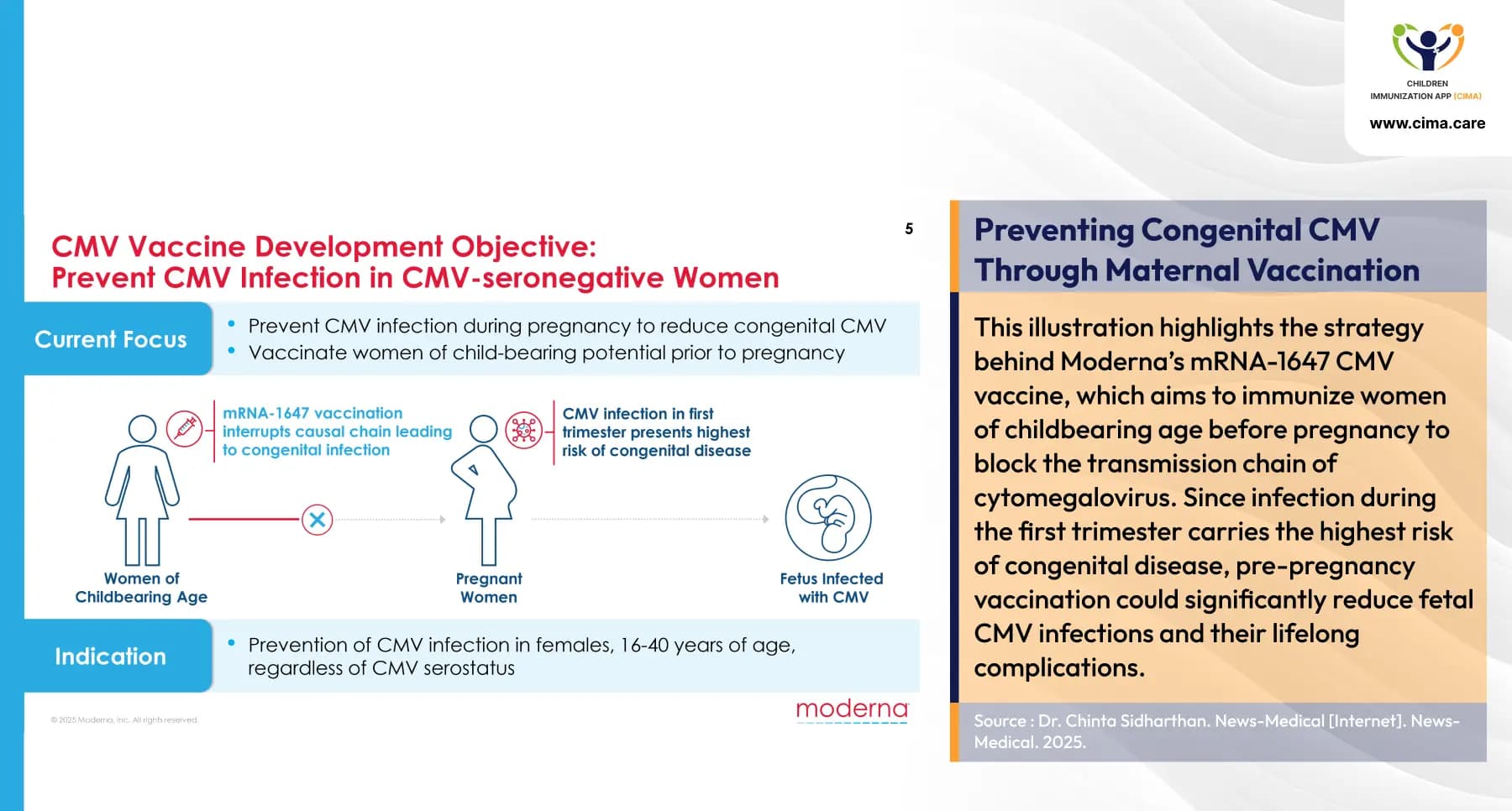
CMV vaccine in trials: Moderna's pre-pregnancy strategy aims to prevent congenital infection.
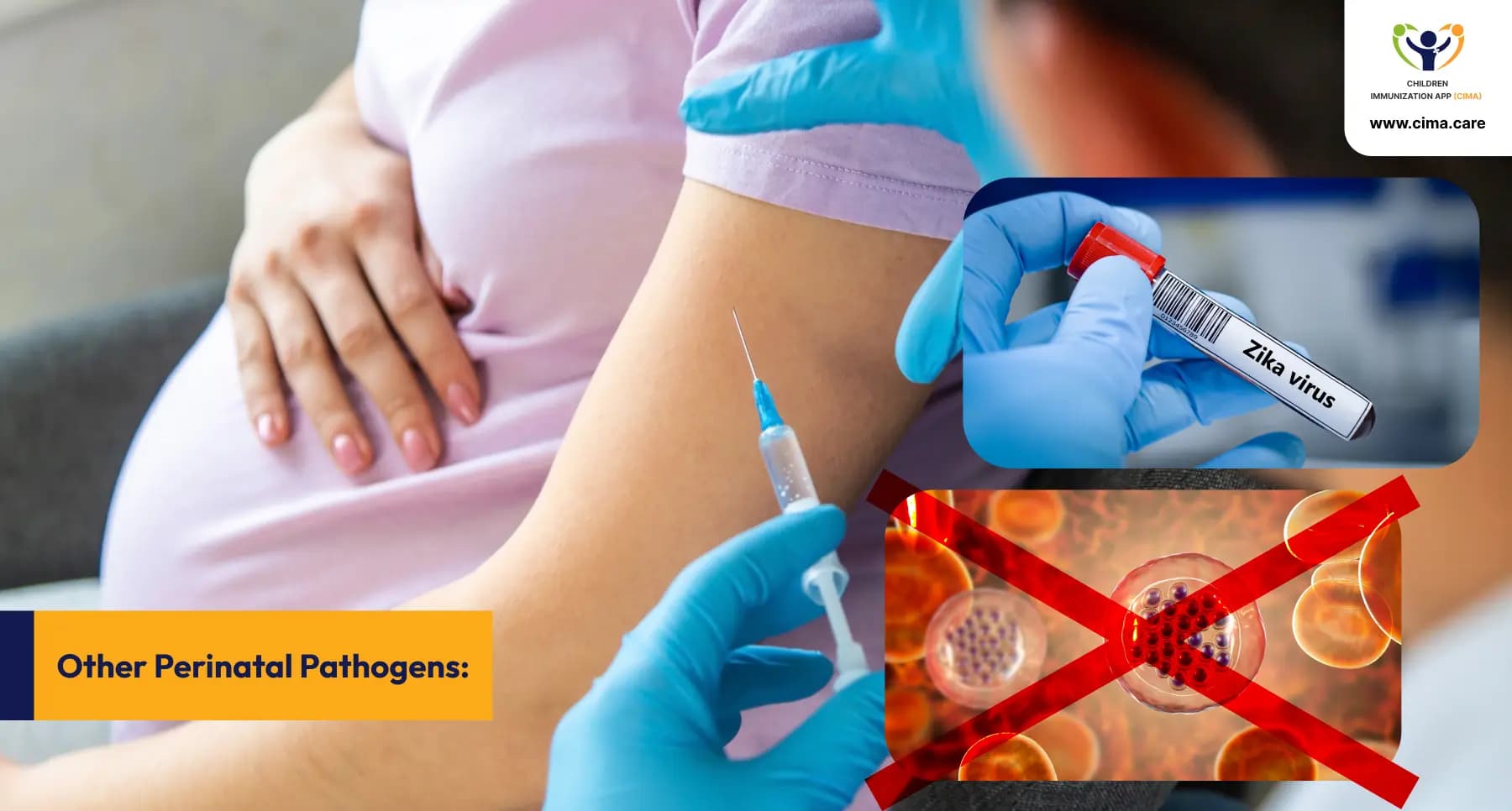
Pipeline vaccines target Zika, malaria & ExPEC to prevent pregnancy complications ahead.
- Other Perinatal Pathogens:
• Vaccines targeting Zika virus, malaria, and extraintestinal pathogenic Escherichia coli (ExPEC) are currently in development, aiming to reduce pregnancy complications and neonatal infections. Zika virus is known to cause congenital Zika syndrome, including microcephaly and severe neurological defects. Malaria during pregnancy can lead to maternal anemia, stillbirth, low birth weight, and preterm deliveries. ExPEC is a major cause of neonatal sepsis and meningitis, posing serious risks to newborn survival and long-term health. [14]
• Innovative approaches, including maternal, neonatal, and early infancy vaccines, are being explored to protect the health of mothers and children worldwide. [28]
Evidence Speaks Loudly
Healthcare providers serve as the crucial link between evidence and implementation, with communication strategies proving more important than ever. The medical consensus remains strong in supporting comprehensive pregnancy vaccination, emphasizing the importance of following evidence-based recommendations.
Ready to enhance your expertise in vaccination strategies?
CIMA Health Academy provides comprehensive continuing education programs designed for healthcare professionals seeking evidence-based training in vaccination protocols and patient communication strategies.
Visit CIMA Health Academy today to access expert-led courses that will elevate your clinical skills and improve patient outcomes.
Join the global community of healthcare professionals advancing maternal and child health through evidence-based practice.
Together, we can ensure that every pregnancy receives the protection that science has proven to be effective.
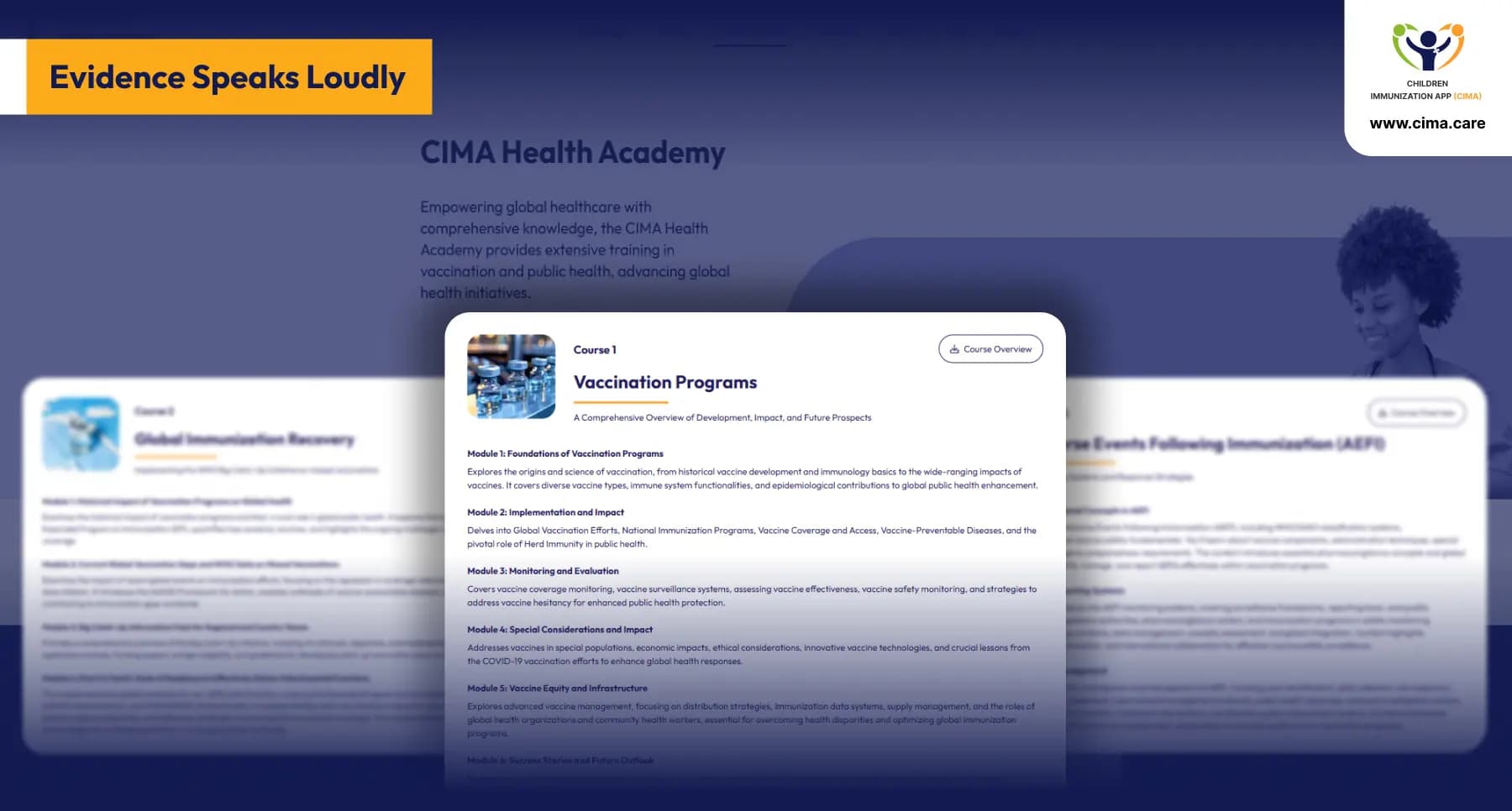
Evidence-based expertise awaits: CIMA Health Academy elevates vaccination training.
Image References
- 1- Adobe Stock. Small drug vial with Tdap vaccine [Internet]. Adobe Stock; [cited 2025 Aug 6]. Available from:https://stock.adobe.com/nl/images/small-drug-vial-with-tdap-vaccine/278131787
- 2- Adobe Stock. RSV vaccine vial with syringe, Respiratory Syncytial Virus shot [Internet]. Adobe Stock; [cited 2025 Aug 6]. Available from: https://stock.adobe.com/nl/images/rsv-vaccine-vial-with-syringe-respiratory-syncytial-virus-shot/617859098
- 3- Adobe Stock. COVID-19 vaccine vials with syringe [Internet]. Adobe Stock; [cited 2025 Aug 6]. Available from: https://stock.adobe.com/nl/images/covid-19-vaccine-vials-with-syringe/439514267
- 4- Adobe Stock. Small drug vial with Influenza vaccine [Internet]. Adobe Stock; [cited 2025 Aug 6]. Available from: https://stock.adobe.com/nl/images/small-drug-vial-with-influenza-vaccine/283415476
- 5- Adobe Stock. Pregnant woman in white top with visible belly, clinic setting, vaccine administered [Internet]. Adobe Stock; [cited 2025 Aug 6]. Available from: https://stock.adobe.com/nl/images/pregnant-woman-in-white-top-with-visible-belly-clinic-setting-vaccine-administered/923692325
- 6- Adobe Stock. RSV vaccine vial with syringe, Respiratory Syncytial Virus shot [Internet]. Adobe Stock; [cited 2025 Aug 6]. Available from: https://stock.adobe.com/nl/images/rsv-vaccine-vial-with-syringe-respiratory-syncytial-virus-shot/617859098
- 7- Adobe Stock. A pregnant woman makes a vaccination, selective focus [Internet]. Adobe Stock; [cited 2025 Aug 6]. Available from: https://stock.adobe.com/nl/images/a-pregnant-woman-makes-a-vaccination-selective-focus/602217931
- 8- Adobe Stock. Blood sample tube for Zika virus test analysis [Internet]. Adobe Stock; [cited 2025 Aug 6]. Available from: https://stock.adobe.com/nl/images/blood-sample-tube-for-zika-virus-test-analysis/1492425621
- 9- Adobe Stock. The malaria-infected red blood cells, 3D illustration showing malaria parasite Plasmodium falciparum in schizont stage [Internet]. Adobe Stock; [cited 2025 Aug 6]. Available from: https://stock.adobe.com/nl/images/the-malaria-infected-red-blood-cells-3d-illustration-showing-malaria-parasite-plasmodium-falciparum-in-schizont-stage-inside-red-blood-cells-the-causative-agent-of-tropical-malaria/292114095
Blog Resources
- 1- World Health Organization (WHO). COVID-19 vaccines advice [Internet]. World Health Organization. 2024. Available from: https://www.who.int/emergencies/diseases/novel-coronavirus-2019/covid-19-vaccines/advice
- 2- CDC. COVID-19 Vaccination for People Who Are Pregnant or Breastfeeding [Internet]. COVID-19. 2024. Available from: https://www.cdc.gov/covid/vaccines/pregnant-or-breastfeeding.html
- 3- COVID-19 Vaccination Considerations for Obstetric–Gynecologic Care [Internet]. www.acog.org. Available from: https://www.acog.org/clinical/clinical-guidance/practice-advisory/articles/2020/12/covid-19-vaccination-considerations-for-obstetric-gynecologic-care
- 4- Apoorva Mandavilli, Jewett C. U.S. Will No Longer Recommend Covid Shots for Children and Pregnant Women. The New York Times [Internet]. 2025 May 27; Available from: https://www.nytimes.com/2025/05/27/health/covid-vaccines-children-pregnant-women-rfk-jr.html
- 5- Prasad S, Kalafat E, Blakeway H, Townsend R, O’Brien P, Morris E, et al. Systematic review and meta-analysis of the effectiveness and perinatal outcomes of COVID-19 vaccination in pregnancy. Nature Communications. 2022 May 10;13(1).
- 6- Kampmann B, Madhi SA, Munjal I, Simões EA, Pahud BA, Llapur C, Baker J, Pérez Marc G, Radley D, Shittu E, Glanternik J. Bivalent prefusion F vaccine in pregnancy to prevent RSV illness in infants. New England Journal of Medicine. 2023 Apr 20;388(16):1451-64.
- 7- Borghi S, Bournazos S, Thulin NK, Li C, Gajewski A, Sherwood RW, Zhang S, Harris E, Jagannathan P, Wang LX, Ravetch JV. FcRn, but not FcγRs, drives maternal-fetal transplacental transport of human IgG antibodies. Proceedings of the National Academy of Sciences. 2020 Jun 9;117(23):12943-51.
- 8- Mahant AM, Trejo FE, Aguilan JT, Sidoli S, Permar SR, Herold BC. Antibody attributes, Fc receptor expression, gestation and maternal SARS-CoV-2 infection modulate HSV IgG placental transfer. Iscience. 2023 Sep 15;26(9).
- 9- JASSET OJ, Andrea P, Zeynep BAHADIR, SHOOK L, DENNIS M, GILBERT E, et al. Enhanced placental antibody transfer efficiency with longer interval between maternal RSV vaccination and birth. American Journal of Obstetrics and Gynecology. 2024 Nov 1;
- 10- Rottenstreich A, Zarbiv G, Oiknine-Djian E, Vorontsov O, Zigron R, Kleinstern G, et al. Timing of SARS-CoV-2 vaccination during the third trimester of pregnancy and transplacental antibody transfer: a prospective cohort study. Clinical Microbiology and Infection. 2021 Nov;
- 11- Clements T, Rice TF, Vamvakas G, Barnett S, Barnes M, Donaldson B, et al. Update on Transplacental Transfer of IgG Subclasses: Impact of Maternal and Fetal Factors. Frontiers in Immunology. 2020 Sep 11;11.
- 12- National Human Genome Research Institute. Understanding COVID-19 mRNA Vaccines [Internet]. Genome.gov. 2021. Available from: https://www.genome.gov/about-genomics/fact-sheets/Understanding-COVID-19-mRNA-Vaccines
- 13- Halasa NB. Effectiveness of Maternal Vaccination with mRNA COVID-19 Vaccine During Pregnancy Against COVID-19–Associated Hospitalization in Infants Aged 6 Months — 17 States, July 2021–January 2022. MMWR Morbidity and Mortality Weekly Report [Internet]. 2022;71. Available from: https://www.cdc.gov/mmwr/volumes/71/wr/mm7107e3.htm
- 14- Santilli V, Sgrulletti M, Costagliola G, Beni A, Mastrototaro MF, Montin D, et al. Maternal Immunization: Current Evidence, Progress, and Challenges. Vaccines. 2025 Apr 24;13(5):450.
- 15- Post AL, Li SH, Berry M, Itell H, Martinez DR, Xie G, et al. Efficiency of placental transfer of vaccine-elicited antibodies relative to prenatal Tdap vaccination status. Vaccine. 2020 Jun;38(31):4869–76.
- 16- Getahun D, Liu ILA, Sy LS, Glanz JM, Zerbo O, Vazquez-Benitez G, et al. Safety of the Seasonal Influenza Vaccine in 2 Successive Pregnancies. JAMA Network Open. 2024 Sep 19;7(9):e2434857–7.
- 17- CDC. Flu Vaccine Safety and Pregnancy [Internet]. Influenza (Flu). 2024. Available from: https://www.cdc.gov/flu/vaccine-safety/vaccine-pregnant.html
- 18- Vaccines [Internet]. www.who.int. Available from: https://www.who.int/groups/global-advisory-committee-on-vaccine-safety/topics/pregnancy-and-lactation/vaccines
- 19- Greenberg V, Vazquez-Benitez G, Kharbanda EO, Daley MF, Hung Fu Tseng, Klein NP, et al. Tdap vaccination during pregnancy and risk of chorioamnionitis and related infant outcomes. Vaccine. 2023 May 1;41(22):3429–35.
- 20- Shi Q, Li J, Hu Q, Cheng C, Yang K, Li X, et al. Efficacy, Immunogenicity, and Safety of Pertussis Vaccine During Pregnancy: A Meta-Analysis. Vaccines [Internet]. 2025 Jun 20 [cited 2025 Jul 14];13(7):666–6. Available from: https://www.mdpi.com/2076-393X/13/7/666
- 21- Chittajallu LVS, Kaku R, Kondadasula P, Lim JY, Zhumabekova A. Safety and Efficacy of Vaccines During Pregnancy: A Systematic Review. Cureus. 2025 Jan 9;
- 22- Odette de Bruin, Phijffer E, Fariba Ahmadizar, van, Wildenbeest J, Sturkenboom M, et al. Are maternal vaccines effective and safe for mothers and infants? A systematic review and meta-analysis of randomised controlled trials. BMJ Global Health. 2023 Oct 1;8(10):e012376–6.
- 23- O’Leary ST, Opel DJ, Cataldi JR, Hackell JM, O’Leary ST, Campbell JD, et al. Strategies for Improving Vaccine Communication and Uptake. Pediatrics. 2024 Feb 26;153(3).
- 24- Razzaghi H. Influenza, Tdap, and COVID-19 Vaccination Coverage and Hesitancy Among Pregnant Women — United States, April 2023. MMWR Morbidity and Mortality Weekly Report [Internet]. 2023;72. Available from: https://www.cdc.gov/mmwr/volumes/72/wr/mm7239a4.htm?s_cid=mm7239a4_w
- 25- Public shows greater acceptance of RSV vaccine as vaccine hesitancy appears to have plateaued [Internet]. ScienceDaily. 2024. Available from: https://www.sciencedaily.com/releases/2024/12/241223135334.htm
- 26- Joel B, Moses V, Veeraraghavan B, Santhanam S, Beck MM, Dhar N, et al. Group B Streptococcus Vaccine Update: A Crucial Public Health Initiative for India. Indian Journal of Medical Microbiology [Internet]. 2025 Jul 11;100917. Available from: https://www.sciencedirect.com/science/article/abs/pii/S0255085725001306
- 27- Vaccine profiles: Group B streptococcus (GBS) [Internet]. www.gavi.org. Available from: https://www.gavi.org/vaccineswork/routine-vaccines-extraordinary-impact-group-b-streptococcus-gbs
- 28- Maternal, Neonatal, and Early Infancy Vaccine Developments - NYAS [Internet]. NYAS - The New York Academy of Sciences. 2020 [cited 2025 Jul 14]. Available from: https://www.nyas.org/shaping-science/events/ebriefing/maternal-neonatal-and-early-infancy-vaccine-developments/
- 29- February 2025 [Internet]. [cited 2025 Jul 14]. Available from: https://media.path.org/documents/Feb2025_MovingTheNeedle.pdf
- 30- New Targets Needed for Vaccine that Blocks Maternal Herpesvirus Transmission [Internet]. WCM Newsroom. Weill Cornell Medicine; 2025 [cited 2025 Jul 14]. Available from: https://news.weill.cornell.edu/news/2025/03/new-targets-needed-for-vaccine-that-blocks-maternal-herpesvirus-transmission
- 31- Permar SR, Schleiss MR, Plotkin SA. A vaccine against cytomegalovirus: how close are we? Journal of Clinical Investigation. 2025 Jan 2;135(1).
- 32- Paris R. Overview of mRNA-1647: Investigational CMV Vaccine ACIP [Internet]. 2025 [cited 2025 Jul 14]. Available from: https://www.cdc.gov/acip/downloads/slides-2025-04-15-16/03-paris-CMV-508.pdf
- 33- Dr. Chinta Sidharthan. News-Medical [Internet]. News-Medical. 2025. Available from: https://www.news-medical.net/news/20250106/Decades-of-research-push-cytomegalovirus-vaccine-closer-to-reality.aspx
- 34- ACOG Statement on HHS Recommendations Regarding the COVID Vaccine During Pregnancy [Internet]. Acog.org.2025. Available from: https://www.acog.org/news/news-releases/2025/05/acog-statement-on-hhs-recommendations-regarding-the-covid-vaccine-during-pregnancy
- 35- FDA. FDA Approves First Vaccine for Pregnant Individuals to Prevent RSV in Infants [Internet]. FDA. 2023. Available from: https://www.fda.gov/news-events/press-announcements/fda-approves-first-vaccine-pregnant-individuals-prevent-rsv-infants
- 36- CDC. RSV Vaccine Guidance for Pregnant People [Internet]. Respiratory Syncytial Virus Infection (RSV). 2024. Available from: https://www.cdc.gov/rsv/hcp/vaccine-clinical-guidance/pregnant-people.html
- 37- Maternal Respiratory Syncytial Virus Vaccination [Internet]. www.acog.org. Available from: https://www.acog.org/clinical/clinical-guidance/practice-advisory/articles/2023/09/maternal-respiratory-syncytial-virus-vaccination
- 38- Fell DB, Dhinsa T, Alton GD, Török E, Dimanlig-Cruz S, Regan AK, et al. Association of COVID-19 Vaccination in Pregnancy With Adverse Peripartum Outcomes. JAMA. 2022 Mar 24;327(15).
- 39- Fell DB, Dimanlig-Cruz S, Regan AK, Håberg SE, Gravel CA, Oakley L, et al. Risk of preterm birth, small for gestational age at birth, and stillbirth after covid-19 vaccination during pregnancy: population based retrospective cohort study. BMJ [Internet]. 2022 Aug 17;378:e071416. Available from: https://www.bmj.com/content/378/bmj-2022-071416
- 40- Fell DB, Dhinsa T, Alton GD, Török E, Dimanlig-Cruz S, Regan AK, et al. Association of COVID-19 Vaccination in Pregnancy With Adverse Peripartum Outcomes. JAMA. 2022 Mar 24;327(15).
- 41- Fell DB, Dimanlig-Cruz S, Eszter Török, Siri Eldevik Håberg, Regan AK, Kaufman JS, et al. Pregnancy, fetal, and neonatal outcomes after a first booster dose of covid-19 vaccine during pregnancy in Ontario, Canada: population based, retrospective cohort study. BMJ Medicine. 2023 Jul 1;2(1):e000632–2.
- 42- Török E. Pregnancy, fetal, and newborn outcomes following a first booster dose of COVID-19 vaccine during pregnancy [Internet]. 2023. Available from: https://www.covid19immunitytaskforce.ca/wp-content/uploads/2023/04/A026.pdf
- 43- Dr. Mark Walker | Faculty of Medicine [Internet]. Faculty of Medicine. 2025 [cited 2025 Jul 20]. Available from: https://www.uottawa.ca/faculty-medicine/dr-mark-walker
- 44- OMNI [Internet]. OMNI. 2015 [cited 2025 Jul 20]. Available from: https://omni.ohri.ca/omni-leadership/
- 45- Dr. Deshayne Fell and an international team of researchers published in the New England Journal of Medicine: COVID-19 Vaccination during pregnancy - CHEO Research Institute [Internet]. CHEO Research Institute. 2025 [cited 2025 Jul 20]. Available from: https://www.cheoresearch.ca/about-us/media/news/dr-deshayne-fell-and-an-international-team-of-researchers-published-in-the-new-england-journal-of-medicine-covid-19-vaccination-during-pregnancy/
- 46- New study finds no risk of pregnancy loss from COVID-19 vaccination | About us [Internet]. About us. 2021 [cited 2025 Jul 20]. Available from: https://www.uottawa.ca/about-us/media/news/new-study-finds-no-risk-pregnancy-loss-covid-19-vaccination
- 47- Jorgensen SCJ, Drover SSM, Fell DB, Austin PC, D’Souza R, Guttmann A, et al. Newborn and Early Infant Outcomes Following Maternal COVID-19 Vaccination During Pregnancy. JAMA Pediatrics [Internet]. 2023 Oct 23; Available from: https://jamanetwork.com/journals/jamapediatrics/fullarticle/2810937
- 48- Fell DB, Russell M, Fung SG, Swayze S, Chung H, Buchan SA, Roda W, Smolarchuk C, Wilson K, Crowcroft NS, Schwartz KL. Effectiveness of influenza vaccination during pregnancy against laboratory-confirmed seasonal influenza among infants under 6 months of age in Ontario, Canada. The Journal of infectious diseases. 2024 Jul 15;230(1):e80-92.
- 49- Mehrabadi A, Dodds L, MacDonald NE, Top KA, Benchimol EI, Kwong JC, et al. Association of Maternal Influenza Vaccination During Pregnancy With Early Childhood Health Outcomes. JAMA. 2021 Jun 8;325(22):2285.
- 50- Study: No health worries for children born to mothers who received seasonal flu vaccine during pregnancy | Faculty of Medicine [Internet]. Faculty of Medicine. 2021 [cited 2025 Jul 20]. Available from: https://www.uottawa.ca/faculty-medicine/news-all/study-no-health-worries-children-born-mothers-who-received-seasonal-flu-vaccine-during
- 51- Fell DB, Sprague AE, Liu N, Yasseen AS, Wen SW, Smith G, et al. H1N1 Influenza Vaccination During Pregnancy and Fetal and Neonatal Outcomes. American Journal of Public Health [Internet]. 2012 Jun 1 [cited 2020 Aug 2];102(6):e33–40. Available from: https://www.ncbi.nlm.nih.gov/pmc/articles/PMC3483960/
- 52- Walsh LK, Donelle J, Dodds L, Hawken S, Wilson K, Benchimol EI, et al. Health outcomes of young children born to mothers who received 2009 pandemic H1N1 influenza vaccination during pregnancy: retrospective cohort study. BMJ. 2019 Jul 10;l4151.
- 53- Hanoi V. Maternal immunization: current status and future directions Vaccinology 2017 III International Symposium for Asia Pacific Experts [Internet]. 2017 [cited 2025 Jul 20]. Available from: https://www.fondation-merieux.org/wp-content/uploads/2017/10/vaccinology-2017-deshayne-fell.pdf
- 54- Fakhraei R, Crowcroft N, Bolotin S, Sucha E, Hawken S, Wilson K, et al. Obstetric and perinatal health outcomes after pertussis vaccination during pregnancy in Ontario, Canada: a retrospective cohort study. CMAJ Open. 2021 Apr;9(2):E349–9.
Enjoyed this article?
Share it with your friends on LinkedIn: Protecting Two Lives: The Science Behind Vaccines During Pregnancy 
Follow us on LinkedIn for more updates and insights: Cima Care GmbH