
A High Antibody Peak Does Not Always Mean Lasting Protection: How the Timing of Every Dose Shapes the Strength and Durability of Immunity |
Appointment Ends. The Immune Response Is Just Beginning: How Vaccination Timing Shapes How Long Protection Lasts
Reviewed by Fabrice Sewolo Matondo, MD, MPH, MSc — PhD Student, Epidemiologist
Published 03 September 2026 · 5 min read
Vaccine protection begins with a single dose, but the immune response continues to develop long after the appointment ends. In the days, weeks, and months that follow, the body builds antibodies, improves its ability to recognize the target, and creates immune cells that may provide longer-lasting protection. Because this process takes time, the recommended timing between doses and boosters can meaningfully influence the strength and durability of the response.
This article explains how vaccine responses develop over time and examines the timing decisions healthcare teams make using current, reliable evidence.
How Vaccine Protection Develops Over Time
The first three months are a useful clinical and biological frame, not a fixed deadline. In human studies of mRNA COVID-19 vaccination, germinal-center B-cell responses and antibody maturation persisted for many months, with somatic hypermutation continuing to increase over six months. These findings show that the quality of vaccine-induced immunity can continue to evolve well after the injection itself. [1,2]
Research methods are also making this process more visible. Serial fine-needle sampling of lymph nodes has allowed investigators to follow germinal-center responses in people over time, while bone-marrow studies have examined the development of antibody-secreting plasma cells. In parallel, a 2025 systems-vaccinology study identified an early blood transcriptional signature, measured within days of vaccination, that was associated with later antibody durability across several vaccine types. This is a promising research advance, but it is not yet a routine clinical test for predicting an individual's long-term protection. [3]
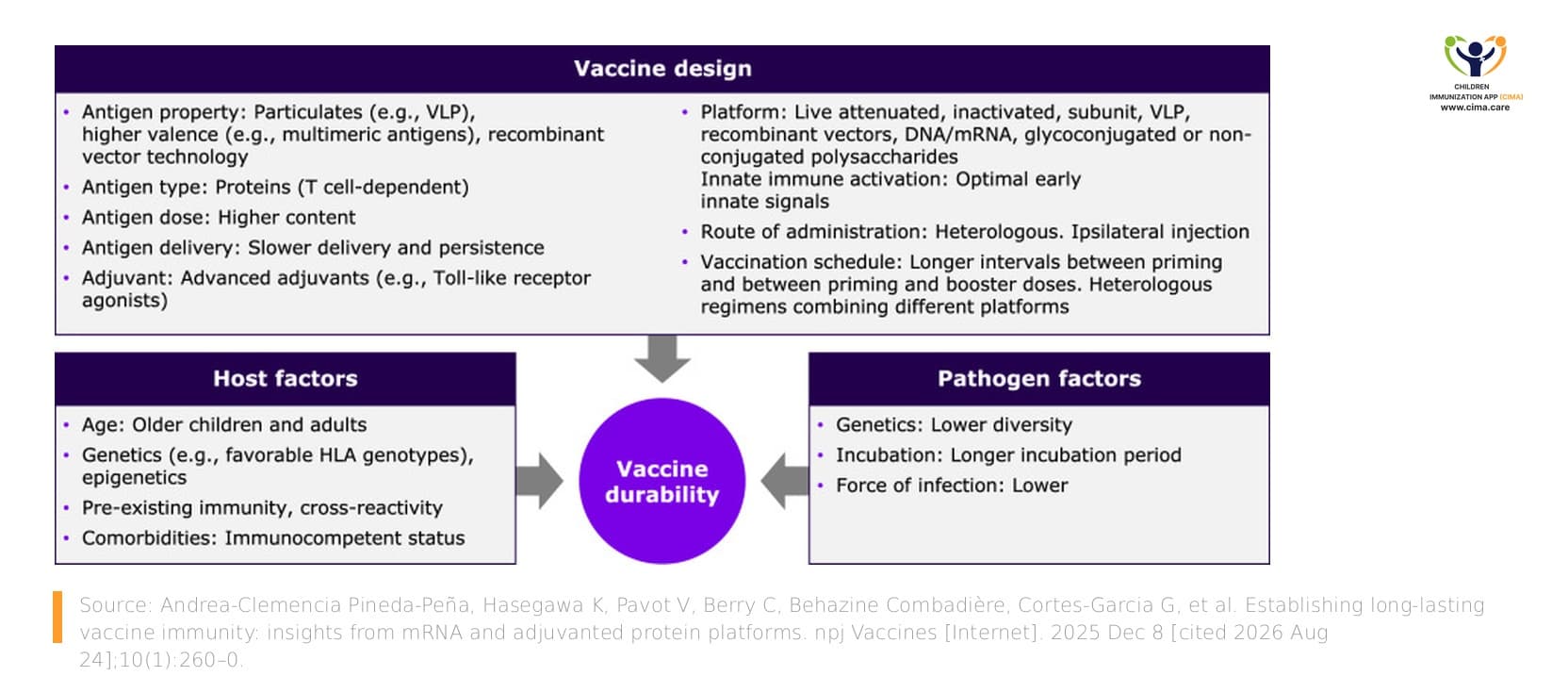
Vaccine durability reflects vaccine design, host factors, and pathogen factors. Dose timing is one modifiable influence.
Inside the Window: The Early Architecture of Vaccine Immunity
The first days after vaccination establish the conditions for the response that follows. Innate immune sensing at the injection site and in the draining lymph node activates antigen-presenting cells, promotes local inflammation, and helps direct subsequent B-cell and T-cell responses. This phase begins immediately after vaccination and overlaps with the development of adaptive immunity.
Within about a week, short-lived antibody-secreting cells called plasmablasts commonly appear in blood and contribute to the early rise in circulating antibodies. This early peak is important, but it should not be equated with the eventual durability of protection. For example, after SARS-CoV-2 mRNA vaccination, circulating spike-specific plasmablasts peaked approximately one week after the second dose and then declined rapidly.
At the same time, B cells enter germinal centers in the vaccine-draining lymph nodes. There they undergo somatic hypermutation and selection with support from T follicular helper cells, generating B-cell clones with improved ability to recognize the vaccine antigen. These processes provide the cellular foundation for affinity-matured antibodies, memory B cells, and long-lived antibody-secreting plasma cells.
This early sequence explains why vaccine timing can matter biologically. The days and weeks after vaccination are not merely a waiting period before an antibody test; they are when the immune system transitions from an initial response to the formation of higher-quality and more persistent immune memory. The precise timing and magnitude of these events vary by vaccine platform, dose schedule, prior immune exposure, age, and individual health status. [4,5]
Terminology notes:
- Plasmablast: A short-lived antibody-secreting cell that commonly appears in the blood within days of vaccination and contributes to the early rise in antibody levels. Its timing and magnitude vary by vaccine and prior immune exposure.
- Germinal center: A temporary structure in a lymph node or other secondary lymphoid tissue where activated B cells multiply, diversify their antibody genes, and are selected for improved antigen recognition.
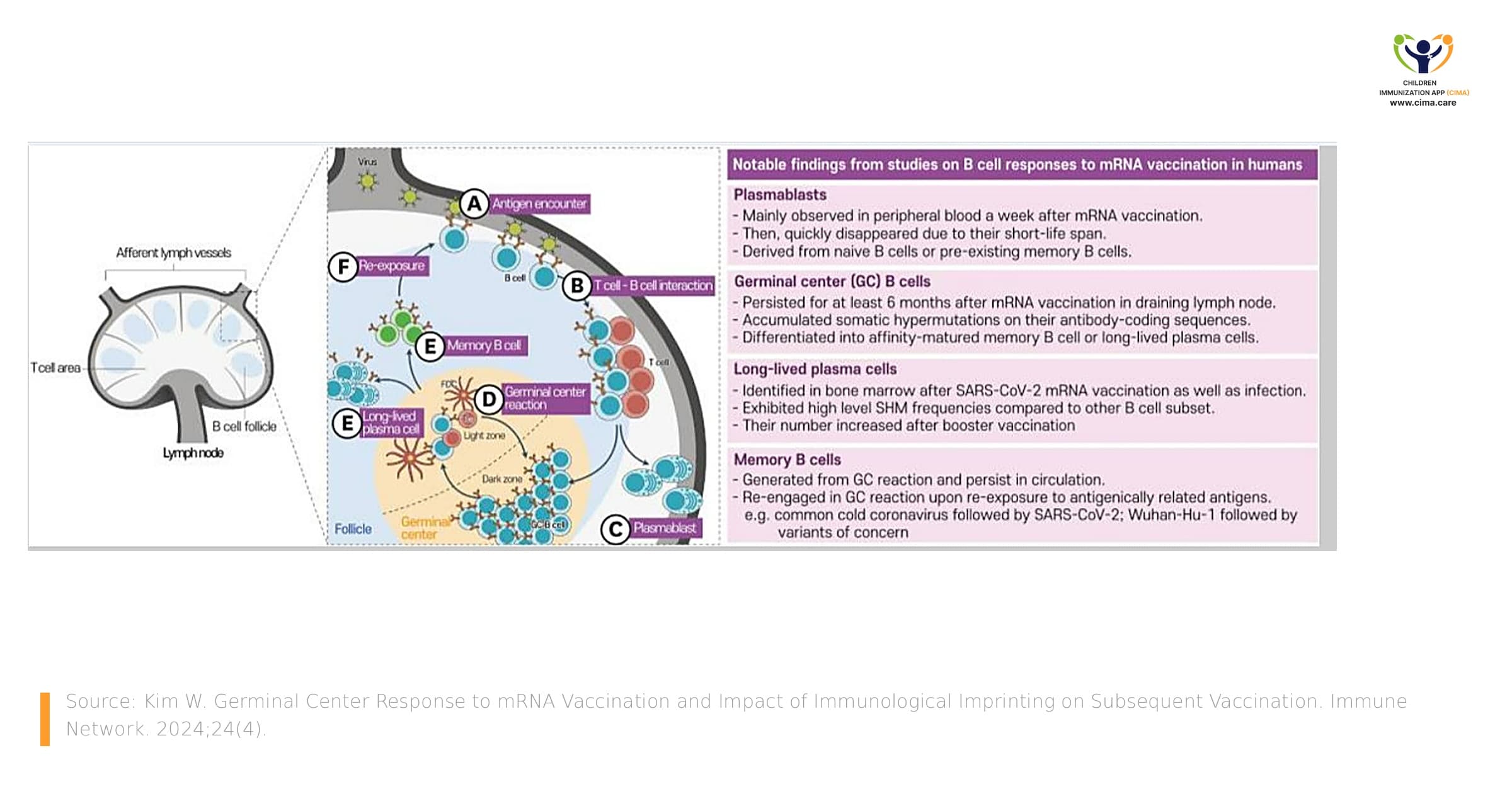
Germinal-center activity after mRNA vaccination: activated B cells generate early plasmablasts while affinity maturation supports memory B-cell and long-lived plasma-cell formation.
Why Peak Antibody Levels Do Not Tell the Whole Story
A high antibody level soon after vaccination is encouraging, but it does not necessarily mean protection will last. Early antibody peaks are partly produced by short-lived plasmablasts. As these cells disappear, antibody levels commonly fall quickly at first and then more gradually. Longer-lasting antibody levels depend more on whether durable antibody-secreting plasma cells become established, particularly in the bone marrow. [6,7]
This is why a peak antibody titer is only part of the picture. It can indicate a strong early response, but it cannot by itself reveal how long antibody levels will remain high or how well immune memory has formed.
A 2025 study across six vaccine types found that a blood gene signature measured within the first week after vaccination was associated with how well antibody responses persisted beyond 90 days. The signature involved platelet- and cell-adhesion-related genes and predicted durability with moderate-to-strong accuracy across the study datasets. This is an important research advance, but it is not yet a routine blood test that can tell an individual how long their protection will last. The image in this section shows the proposed explanation. Platelets carry RNA that reflects activity of megakaryocytes, their precursor cells in the bone marrow. In laboratory experiments, activated megakaryocytes supported the survival of bone-marrow plasma cells, the cells that sustain antibody production. This offers a plausible biological link between an early blood signature and longer-lasting antibodies. The finding is promising, but it remains a research advance rather than a routine blood test for predicting an individual's duration of protection.[8]
Bone-marrow research offers one possible explanation for why some antibody responses wane faster than others. After mRNA COVID-19 vaccination, SARS-CoV-2-specific antibody-secreting cells were less likely to be found in the long-lived bone-marrow plasma-cell compartment than influenza- and tetanus-specific cells. This may help explain why COVID-19 antibody levels can decline relatively quickly, although responses differ by vaccine, prior infection, and individual factors. [9]
Terminology notes:
- Megakaryocyte: A large bone-marrow cell that produces platelets.
- Transcriptional signature: A pattern of gene activity measured in cells or blood that is associated with a biological process or outcome.
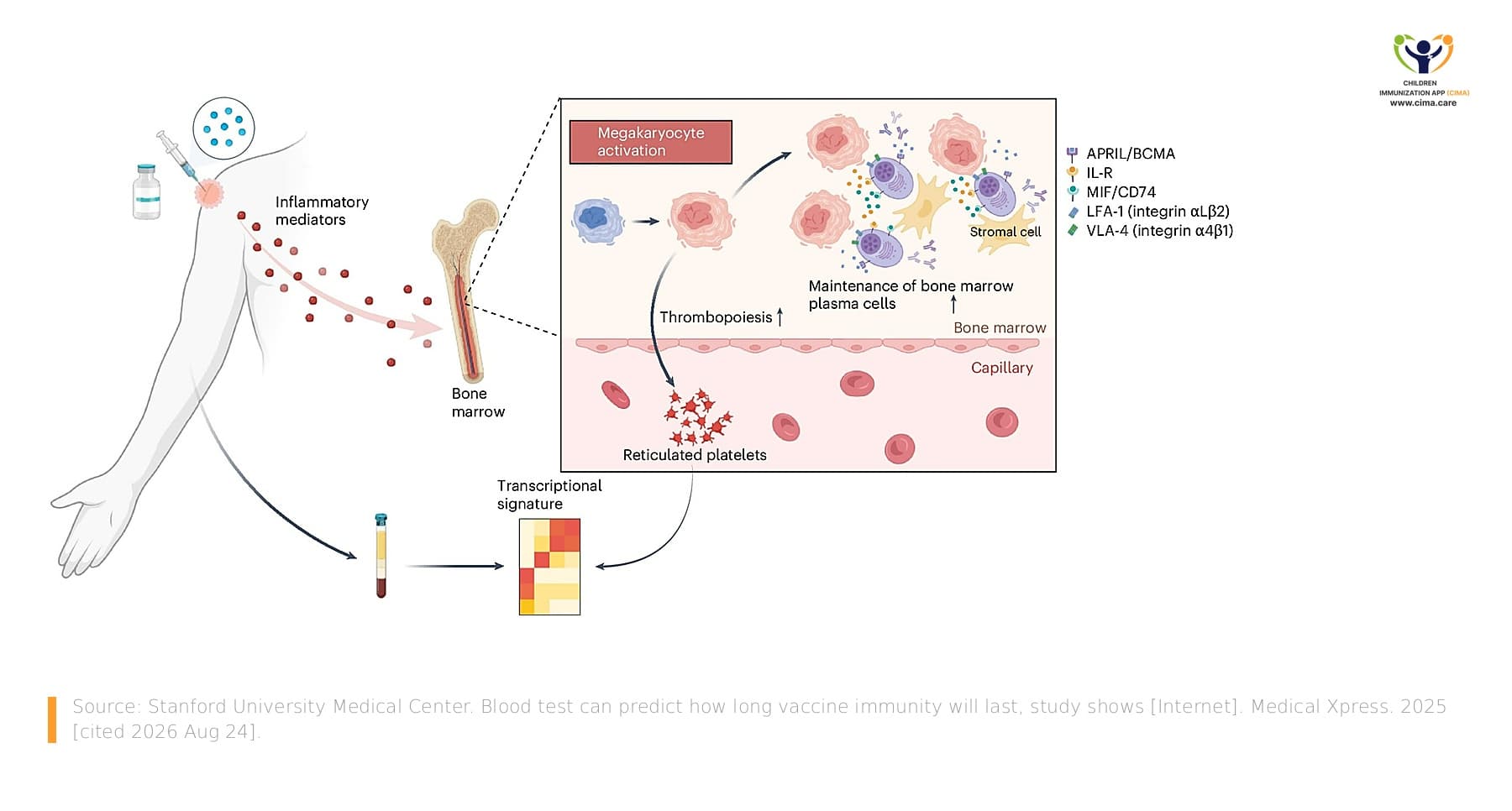
Early platelet signals may reflect bone-marrow support for long-lived antibody-producing plasma cells.
Why the Gap Between Vaccine Doses Can Strengthen Immune Memory
The prime–boost interval is not empty time. After the first dose, the immune system continues refining its response before the next dose is given.
For some COVID-19 vaccines, a longer gap between the first two doses has been linked to higher antibody levels and broader neutralizing antibody responses months later. However, the benefit differs by vaccine, variant, and prior immunity, and may be reduced after a later booster dose. [10]
The practical priority is clear: follow the recommended schedule. Extending an interval can delay full protection, which matters during outbreaks, for people at high risk of exposure, and for infants. If a dose is late, it usually remains valid; the vaccine series generally does not need to be restarted. [11,12]
Terminology notes:
- Prime–boost interval: The time between a first vaccine dose and the next dose in the series.
- Neutralizing antibody: An antibody that can block a virus from infecting cells.
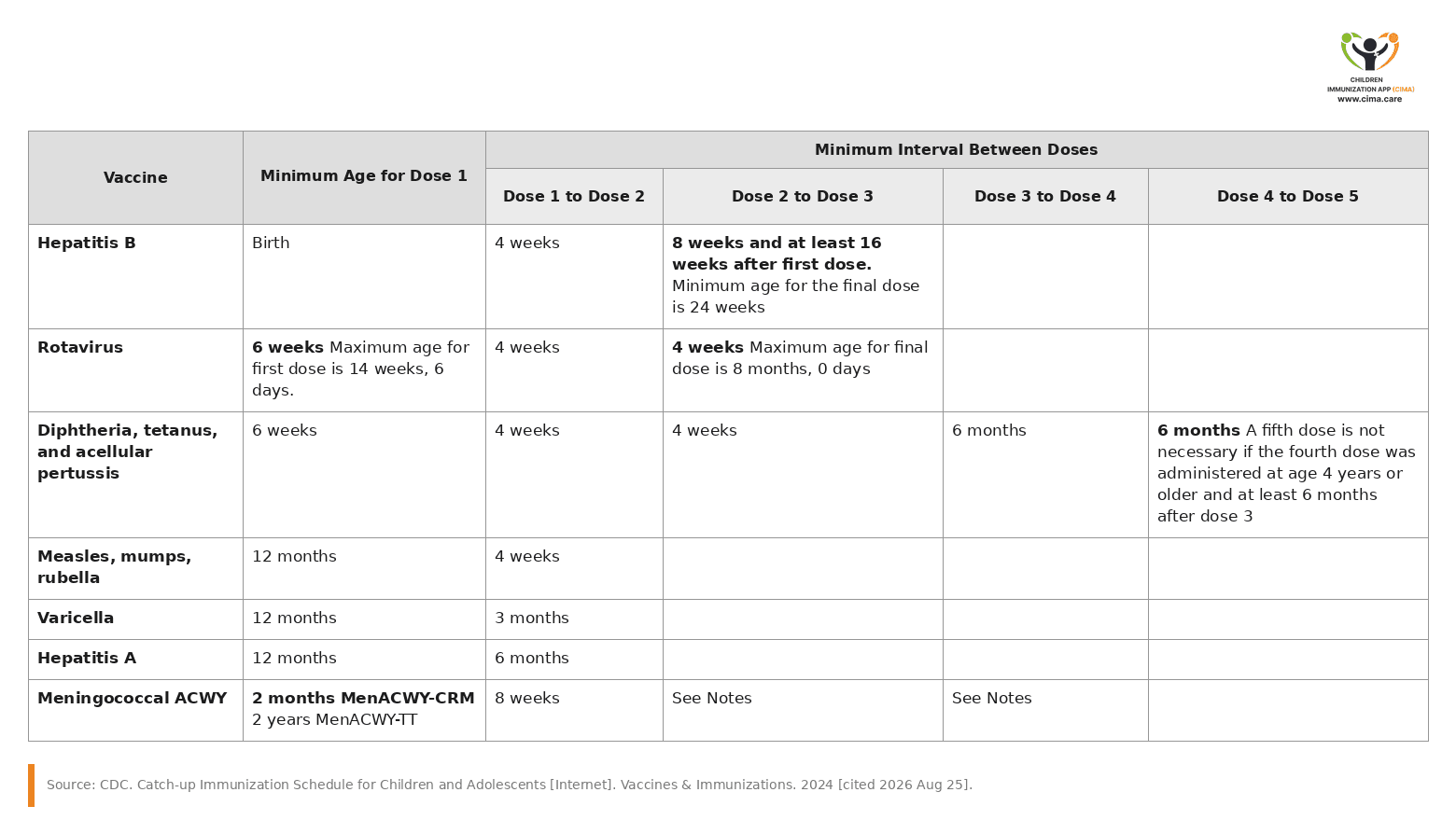
Minimum ages and intervals for selected routine childhood vaccines, showing why correct dose spacing protects both immune response and dose validity.
Vaccine Side Effects: What They Mean, and What They Do Not
Reactogenicity refers to expected, short-term symptoms caused by the body's inflammatory response after vaccination. These may include pain, redness, or swelling at the injection site, as well as fever, fatigue, headache, or muscle aches. Most are mild, temporary, and resolve without lasting consequences.
These symptoms occur because vaccination activates early immune and inflammatory signals. Local inflammation can cause soreness, redness, and swelling, while inflammatory signals reaching the bloodstream can contribute to fever, fatigue, headache, and muscle aches. Symptom intensity varies with the vaccine, its ingredients and route of administration, age, prior immunity, individual biology, and how symptoms are perceived and reported.
Most importantly, symptoms are not a personal measure of vaccine effectiveness. Some people have noticeable side effects, and others have none, yet both can develop protective immune responses. Evidence has not established a reliable individual-level link between how strongly someone feels side effects and how well their long-term immune protection develops.
For healthcare professionals, clear expectation-setting matters. Explaining that short-lived reactions are common and usually self-limiting can reduce anxiety, improve confidence, and support completion of later doses. [13,14]
Terminology notes:
- Adverse event: Any health problem occurring after vaccination, whether or not the vaccine caused it. This is broader than expected short-term vaccine reactions.
- Inflammatory mediator: A signal, such as cytokine or prostaglandin, released during immune activation that can contribute to symptoms such as redness, swelling, pain, fever, or fatigue.
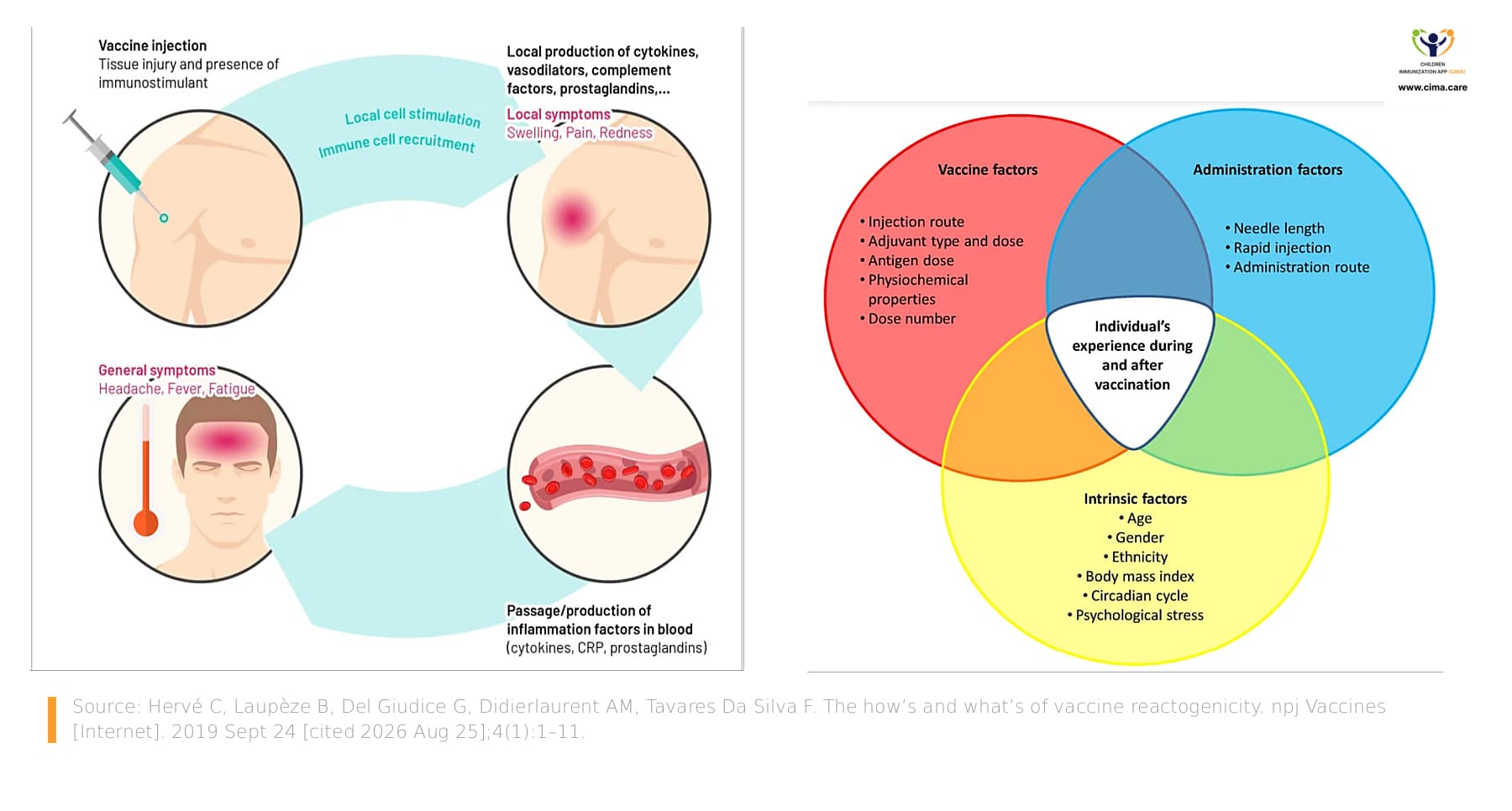
Vaccine side effects arise from early inflammation, and their intensity reflects vaccine, administration, and individual factors.
Recent Infection, Immune Imprinting, and Valid Doses
Recent infection can affect the timing of a COVID-19 vaccine dose. CDC guidance states that people who recently had COVID-19 may consider delaying their next dose by up to three months from symptom onset or, if they had no symptoms, from the date of their positive test. This is an option, not a universal requirement. Individual decisions should consider the person's risk of severe disease, local transmission, and the need for prompt protection. [15,16]
Prior infection also shapes the response to an updated vaccine. This is called immune imprinting: the immune system often reuses memory made against earlier versions of a virus when it encounters a newer version. That recalled memory can still provide useful cross-reactive protection. However, studies of updated COVID-19 boosters indicate that repeated exposure to antigenically different variants can gradually increase variant-specific memory B cells, although previous immune memory remains an important part of the response. [17,18]
Timing rules also determine whether a vaccine dose counts. When two different injectable or intranasal live vaccines are not given on the same day, they should be separated by at least four weeks. A dose given five or more days before the minimum interval is generally invalid and must be repeated according to the applicable schedule. The four-day grace period does not apply to the four-week spacing rule for different live vaccines. [19,20]
For healthcare teams, accurate records and interval checks are essential. An invalid dose may leave a person without documented, valid protection, and can create unnecessary follow-up work. Use the relevant national or local immunization schedule when assessing dose timing. [21,22]
Terminology notes:
- Immune imprinting: The tendency of the immune system to preferentially recall memory responses formed during earlier exposure to a related version of a pathogen.
- Minimum interval: The shortest allowed time between vaccine doses for the later dose to be considered valid.
- Invalid dose: A vaccine dose given outside required age or spacing rules that does not count toward the recommended series and may need to be repeated.
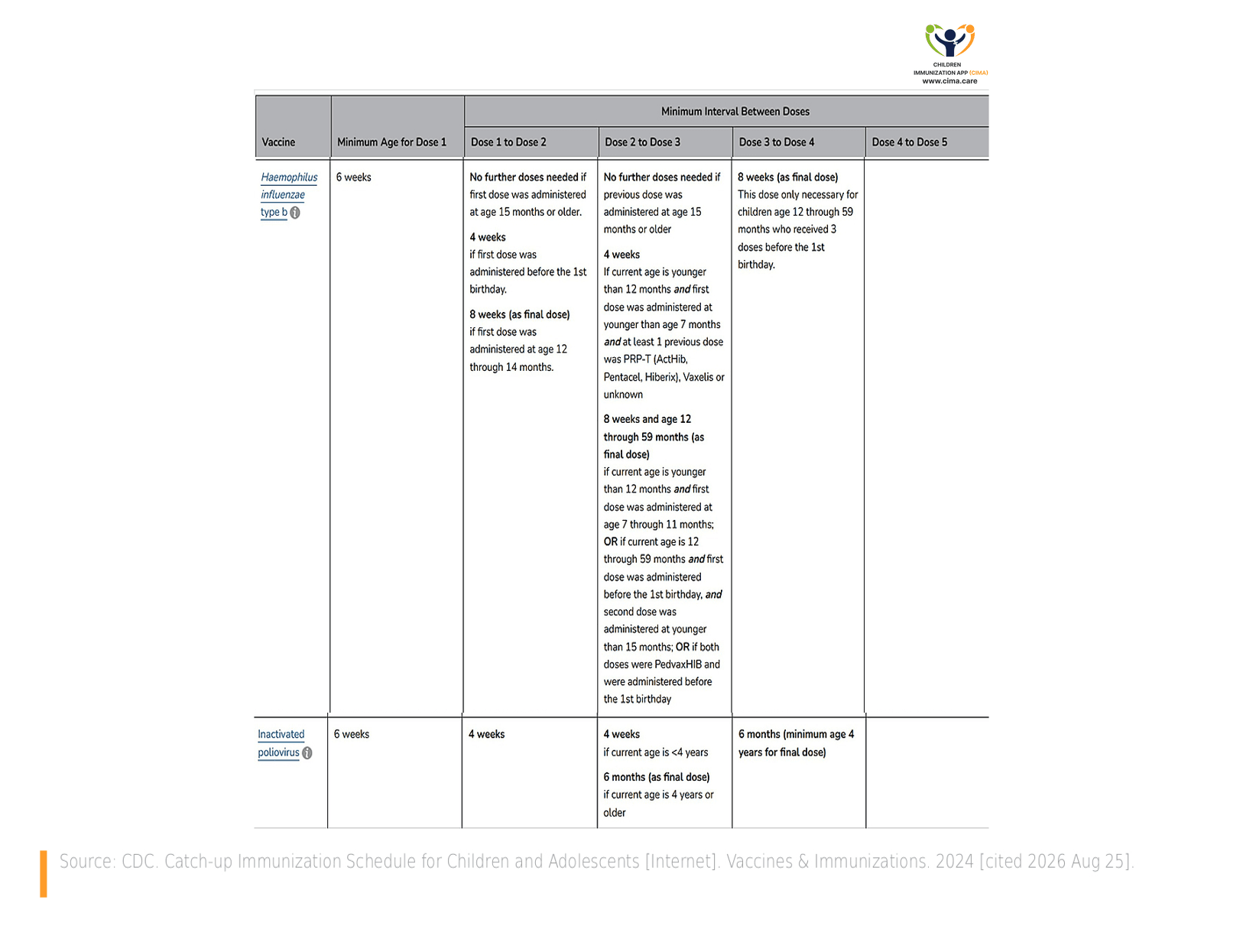
Catch-up schedule showing how minimum ages and dose intervals guide valid vaccination when children are behind schedule.
Scheduling Vaccines Around Medicines and the Microbiome
For people taking immune-suppressing medicines, vaccine timing can make a meaningful difference. The goal is not to delay needed vaccination automatically, but to give it when the immune system has the best chance to respond.
Rituximab is a B-cell-depleting medicine used to treat several conditions, including certain B-cell cancers, rheumatoid arthritis, some forms of vasculitis, and pemphigus vulgaris. Because it reduces the B cells needed to make new antibodies after vaccination, vaccines should ideally be completed before treatment begins when feasible. For people already receiving rituximab, the American College of Rheumatology recommends giving most non-influenza vaccines at least six months after the last dose, when the next rituximab dose is due, then delaying rituximab for at least two weeks if disease control allows. Influenza vaccination should still be given on schedule, even during rituximab treatment. [23,24]
Methotrexate can also reduce vaccine responses. For people with stable rheumatic disease, the American College of Rheumatology conditionally recommends holding methotrexate for two weeks after influenza vaccination. This should only be done with the prescribing clinician, because preventing a disease flare remains essential. [23,25]
The gut microbiome may also influence how well a vaccine works. In a small 2025 human study of first-time rabies vaccination, broad-spectrum antibiotics disrupted gut bacteria. They were associated with a weaker plasmablast response and lower antibody levels, including lower virus-neutralizing antibodies, than in participants who did not receive antibiotics. The figure summarises the proposed pathway: altered gut bacteria were linked with changes in blood gene activity, inflammatory proteins, metabolism, and T-cell balance, alongside a reduced antibody response. These findings are important but not yet ready to change routine clinical practice. They do not mean people should avoid necessary antibiotics or change treatment without medical advice. [26]
The practical message is simple: before vaccination, tell the healthcare team about immune-suppressing medicines and recent antibiotic treatment. Together, clinicians and patients can decide whether vaccine timing can be safely adjusted without delaying protection or destabilizing the underlying condition.
Terminology notes:
- B-cell depletion: A marked reduction in B cells, including after treatments such as rituximab. Because B cells produce antibodies, depletion can weaken responses to some vaccines.
- Immunosuppression: Reduced immune activity caused by a health condition or medicine, which can increase infection risk and lessen vaccine responses.
- Gut microbiome: The community of microorganisms living in the digestive tract that can influence immune function.
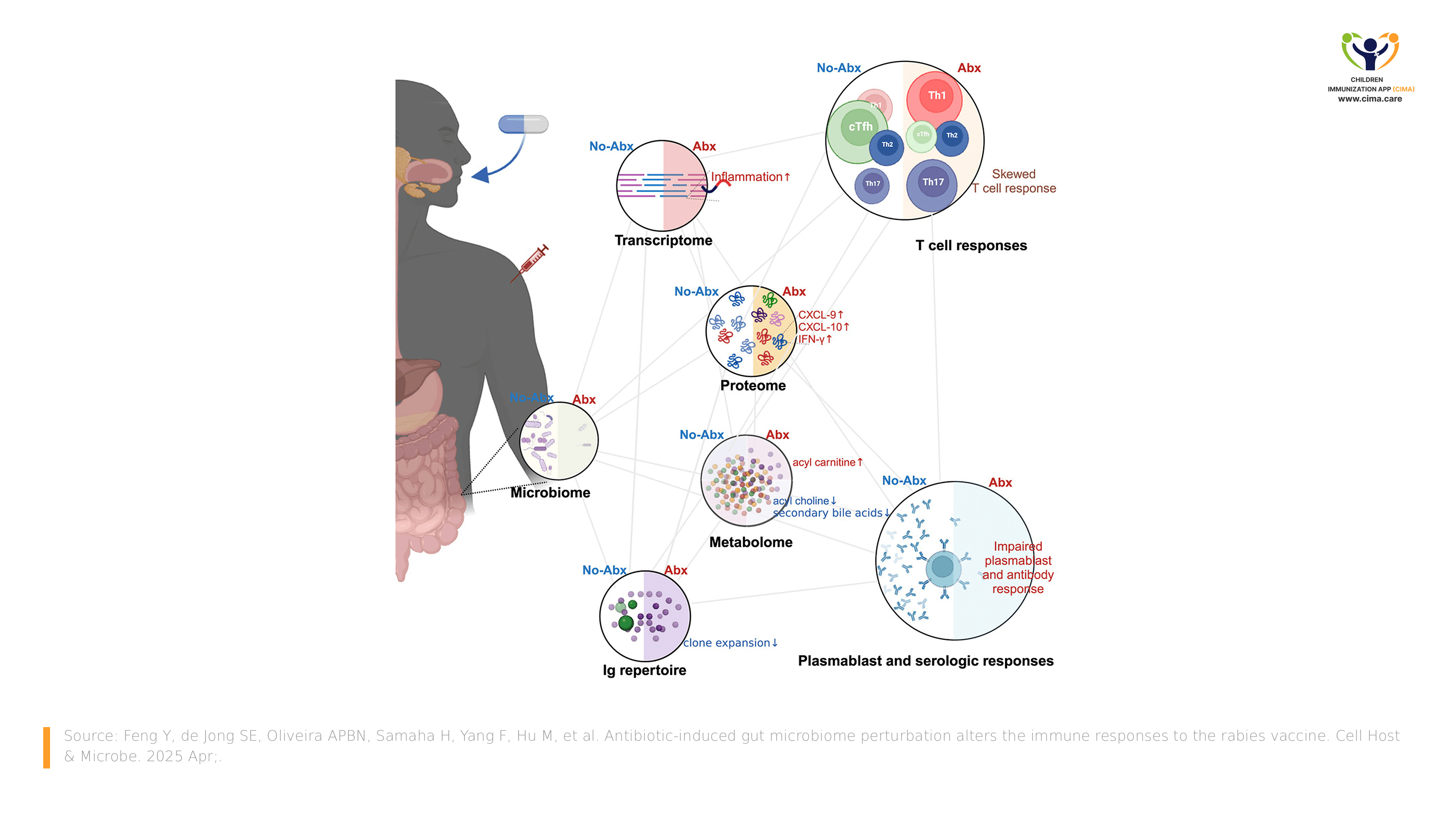
Antibiotic-driven microbiome disruption was linked to altered immune signals and weaker plasmablast and antibody responses after rabies vaccination.
Pregnancy and the Newborn: Timing Matters Twice
Maternal vaccination protects two people at once. The mother makes antibodies, and transplacental transfer moves some of those antibodies across the placenta to protect the baby during the first months of life, before the infant can receive certain vaccines.
For maternal Respiratory Syncytial Virus (RSV) vaccination, timing within the recommended pregnancy window can matter. A 2025 prospective study of 124 pregnancies found that RSV vaccination at least five weeks before delivery was associated with more efficient transfer of RSV-specific antibodies to the newborn than vaccination two to four weeks before delivery. This supports giving the vaccine early enough within the approved 32–36-week window when feasible. However, people should follow current national and local guidance, including seasonal recommendations. In the United States, CDC recommends one dose of Pfizer's Abrysvo between 32 weeks 0 days and 36 weeks 6 days of pregnancy, typically from September through January. [27,28]
A prospective study found that Tetanus, reduced Diphtheria, and acellular Pertussis (Tdap) vaccination during weeks 13–25 of pregnancy was associated with higher cord-blood pertussis antibody concentrations than vaccination from week 26 onward. This finding does not replace local recommendations, but it reinforces the importance of receiving Tdap promptly within the recommended window. [30] Maternal Tdap vaccination helps transfer protective pertussis antibodies to the newborn. CDC recommends Tdap during weeks 27–36 of every pregnancy, preferably in the earlier part of this period, because antibodies need time to develop and cross the placenta before birth.[29]
For the mother, measles immunity before pregnancy can provide antibodies that cross the placenta to the baby. Because the measles, mumps, and rubella vaccine is a live vaccine, it should be given before conception, ideally at least four weeks before pregnancy, rather than during pregnancy. [33,34]
WHO's 2025 evidence review found that giving an infant a first measles-containing vaccine dose at 5–8 months of age can produce a useful early antibody response, which may be valuable when infants face a high risk of exposure. However, children vaccinated before 9 months of age had lower measles antibody levels three to seven years later than children who received their first dose at the routine age, suggesting faster waning of immunity. Early infant vaccination is therefore not routinely recommended by WHO but may be used under country-specific or outbreak guidance. Maintaining high coverage with the routine first and second measles-containing vaccine doses remains the main priority. [31]
For example, in the United States, the CDC routinely recommends the first MMR dose at 12–15 months and the second at 4–6 years; recommendations for infants younger than 12 months can differ in outbreak and international-travel settings. [32]
Terminology notes:
- Transplacental transfer: The active movement of maternal antibodies across the placenta to the fetus, particularly during late pregnancy.
- Cord-to-maternal ratio: The concentration of a specific antibody in umbilical-cord blood divided by its concentration in maternal blood. A ratio above 1 indicates a higher concentration in cord blood.
- Maternal antibody interference: Reduced infant vaccine responses caused, in part, by maternal antibodies that can bind the vaccine antigen before the infant's immune system responds.
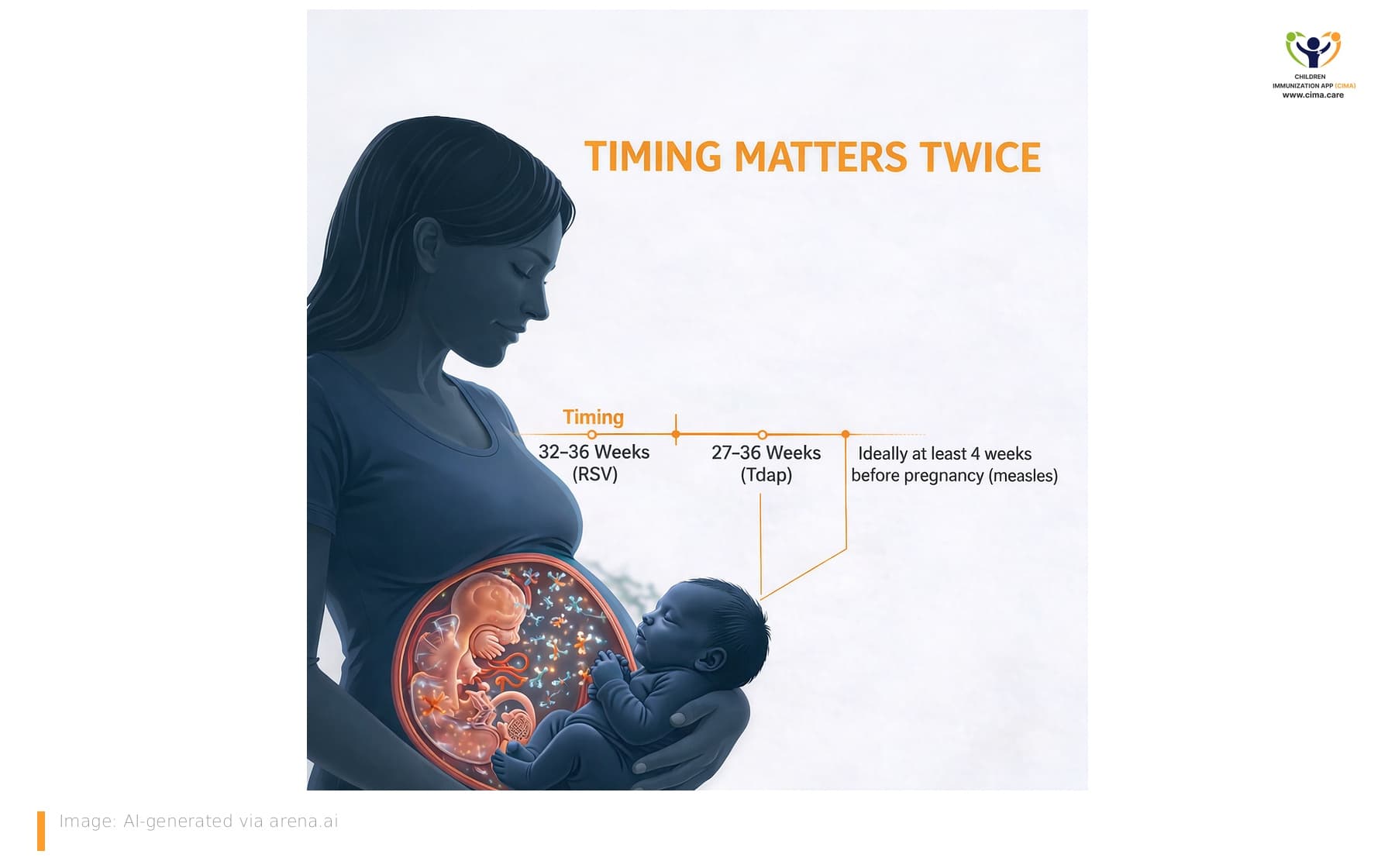
Key timing windows to maximize infant protection: RSV at 32–36 weeks, Tdap at 27–36 weeks, and MMR at least four weeks before pregnancy.
Small Habits Around Vaccination: Sleep, Timing, and Activity
Small choices around a vaccination appointment may influence the immune response, but they are not substitutes for receiving recommended vaccines on time.
The body's circadian rhythm, its roughly 24-hour internal clock, influences immune activity. In the randomized IMPROVE influenza-vaccine trial, morning vaccination did not improve antibody responses across all participants, as a statistically significant improvement. However, in the pre-specified subgroup aged 65–75 years, morning vaccination produced higher antibody titers, meaning measured vaccine-specific antibody levels, against A/H1N1 and A/H3N2 than afternoon vaccination. Among women, morning vaccination was associated with higher A/H1N1 antibody titers, whereas no statistically significant timing effect was found among men. These subgroup findings are suggestive, not a reason to delay vaccination if a morning appointment is unavailable. [35]
Sleep may matter more consistently. Research reviews suggest that short sleep, particularly during the one or two nights before vaccination, is associated with lower antibody responses. The practical message is simple: aim for adequate sleep before an appointment when possible. [36, 37 & 38] Moreover, a pooled analysis of seven studies put a figure on this: objectively measured sleep of under six hours a night around the time of vaccination was associated with a substantial reduction in antibody response, an effect the authors compared to roughly two months of natural antibody decline after a COVID-19 vaccine. The association was clear in men, while data in women remained too limited for a conclusion. [45]
One controlled study also found that 90 minutes of light-to-moderate aerobic activity immediately after influenza or COVID-19 vaccination increased antibody levels four weeks later without increasing reported side effects. This was a single study, so treat it as an optional activity for people who already feel well enough to exercise, not a requirement for an effective vaccine response. [39]
For patients and healthcare teams, the priority remains straightforward: attend vaccination appointments on time. If convenient, choose a morning appointment, protect sleep in the days before vaccination, and consider a comfortable walk or other light-to-moderate activity afterward.
Terminology notes:
- Circadian rhythm: The body's approximately 24-hour internal clock. It helps regulate sleep, hormones, and immune activity so that immune responses can differ by time of day.
- Seasonal influenza vaccine: A vaccine updated regularly to protect against influenza viruses expected to circulate. Current trivalent formulations include two influenza A subtypes, A/H1N1 and A/H3N2, and one influenza B virus.
- COVID-19 mRNA vaccine: A vaccine that delivers genetic instructions, called messenger RNA, that enable cells to temporarily make a harmless viral protein and stimulate an immune response. The exercise study included a dose of the Pfizer-BioNTech COVID-19 vaccine.
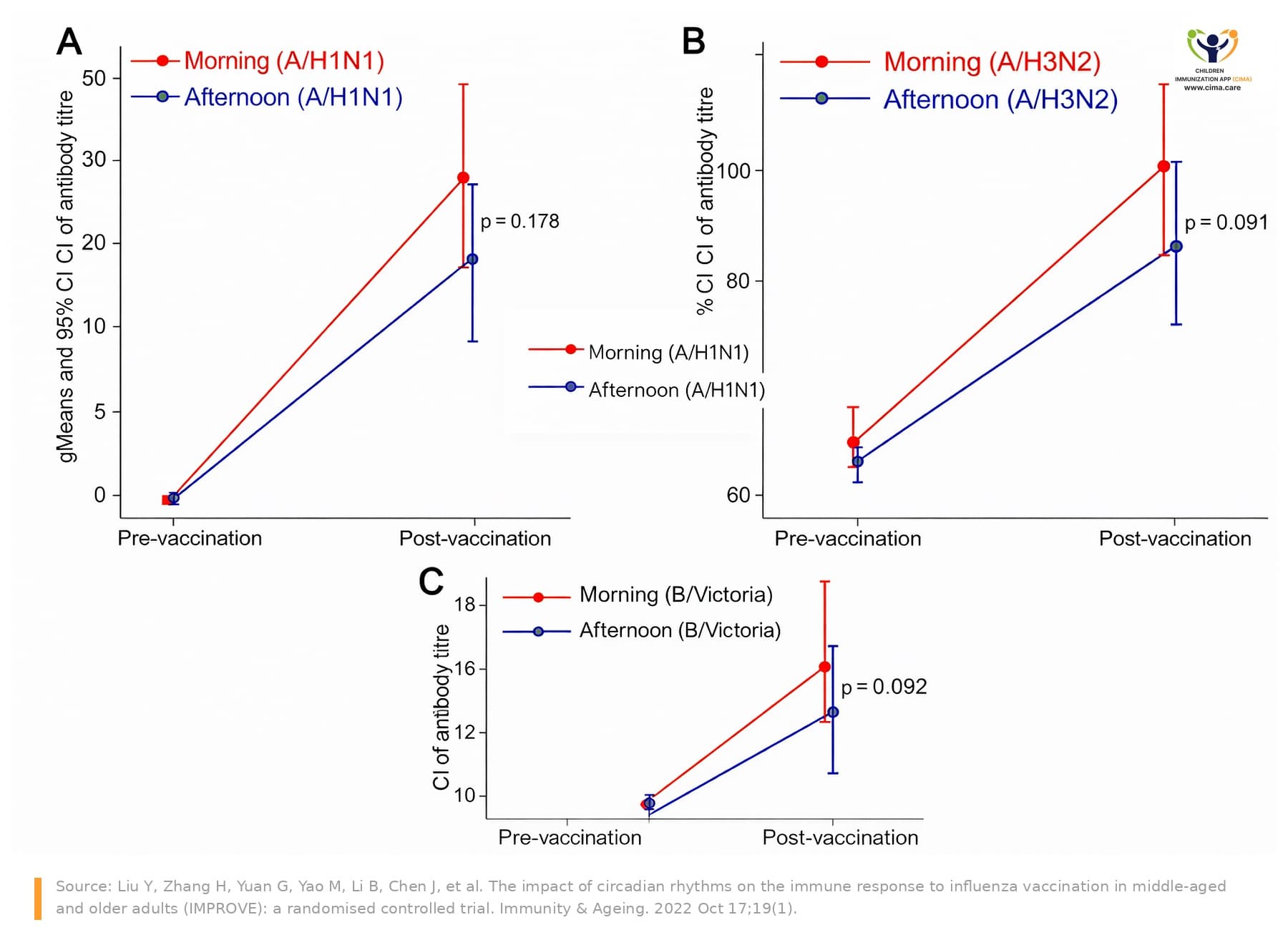
In the full IMPROVE trial, morning influenza vaccination produced higher average antibody titers against three influenza vaccine strains: A/H1N1, A/H3N2, and B/Victoria.
Engineering Longer-Lasting Vaccine Responses (1)
Scientists are exploring ways to help the immune response develop for longer after vaccination. One approach is sustained antigen delivery: releasing vaccine antigen gradually over days or weeks instead of providing it all at once.
In a rhesus macaque (monkey) study, slow delivery of an experimental HIV vaccine antigen, either by a two-week osmotic pump or by an escalating-dose immunization schedule over 12 days, produced stronger germinal-center and T follicular helper (Tfh) cell responses than a single injection. These changes were associated with more than 20-fold higher neutralizing-antibody titers. This is important proof of concept, but it was an animal study of an experimental HIV vaccine, not an approach ready for routine human vaccination. [40]
Terminology notes:
- Sustained antigen delivery: Gradual release of vaccine antigen over time to keep the immune response active for longer.
- Escalating-dose immunization: Giving several doses that increase in size over days, rather than one full dose at once.
- T follicular helper (Tfh) cell: A specialized helper T cell that supports B cells in germinal centers as they develop high-quality antibodies.
What you see in the following figure:
- Light-green lollipop-like particles: Vaccine antigen, the target material the immune system learns to recognize.
- Blue or grey Y-shaped structures: Antibodies, proteins made by B cells that bind antigen.
- Large pale-green rounded shapes: B cells or B-cell clones. Different colors and shapes represent a more diverse B-cell response.
- Beige branching network with “FDC”: A follicular dendritic cell, which holds antigen inside a germinal center so B cells can repeatedly test and improve their antibodies.
Top row: delivery methods
- Conventional: One full antigen dose is injected at one time.
- Osmotic pump: A small, implanted pump releases the same antigen gradually over about two weeks.
- Escalating dose: Several injections are given over 12 days, with each dose larger than the last.
- Monkey icon: These delivery methods were tested in rhesus macaques, not people.
Middle row: immune effects
The blue lines represent slow delivery; grey lines represent conventional injections.
- Antigen-specific germinal center B cells: Slow delivery produces a larger and more sustained population of B cells responding to the vaccine antigen.
- GC-Tfh cells: Slow delivery produces more germinal center T follicular helper cells, which help B cells improve their antibodies.
- Neutralization: Slow delivery produces substantially stronger neutralizing-antibody activity, meaning antibodies are better able to block the virus from infecting cells.
Bottom row: why slow delivery may help
- Antigen retention: With slow delivery, more antigen remains displayed on follicular dendritic cells in the germinal center. This gives B cells more time to compete and improve.
- Antibody diversity: Slow delivery activates a broader range of B-cell clones, producing antibodies that recognize more parts of the antigen. In the figure, the greater variety of blue Y-shaped antibodies represents this broader response.
Key message
Slow release did not simply increase the amount of antigen. It changed how long antigen was available to the immune system, supporting stronger germinal center activity, more Tfh-cell help, broader antibodies, and higher neutralizing activity in this animal study. These results are promising for vaccine design, but they do not yet show that slow delivery will improve routine human vaccination.
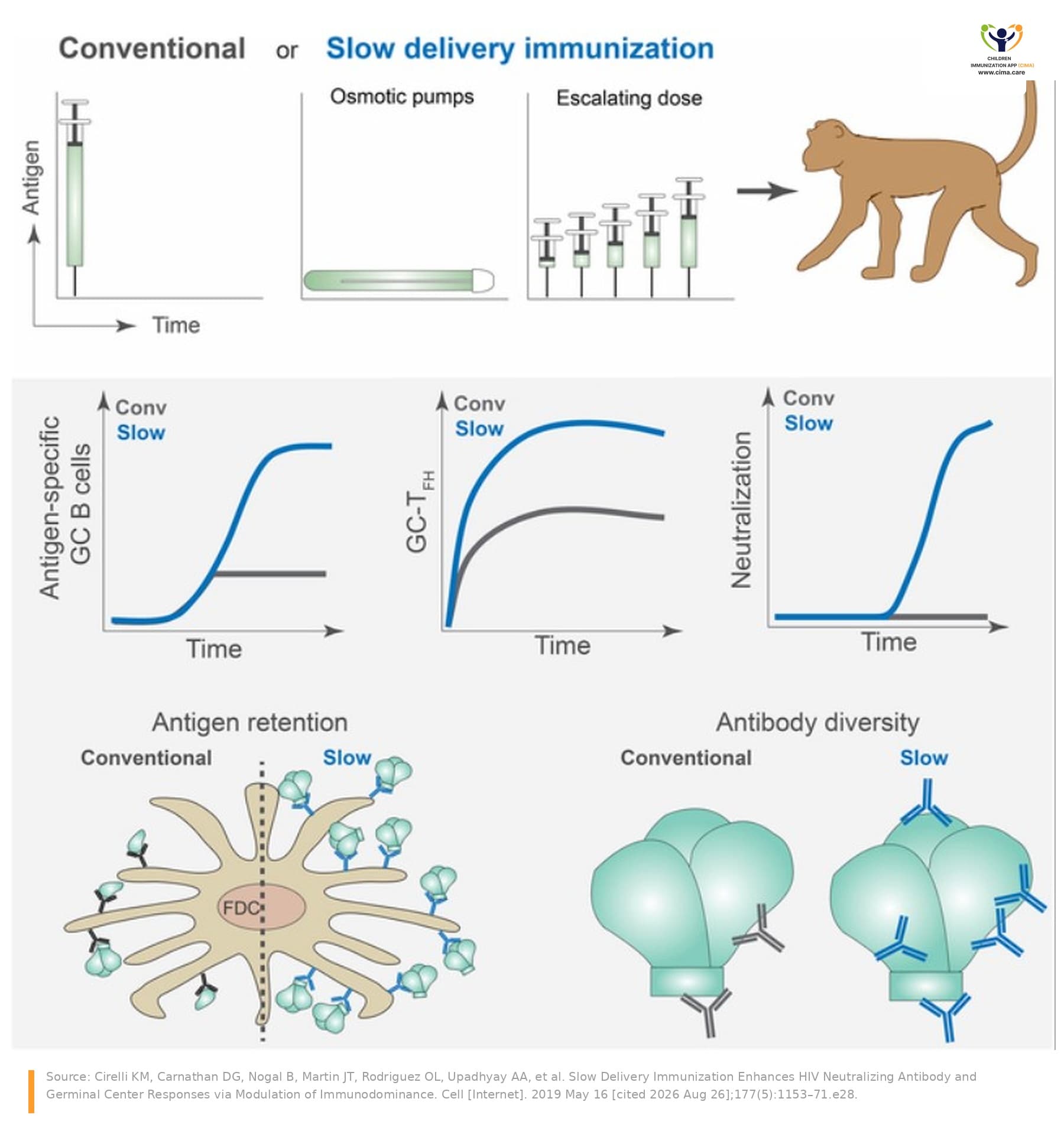
In monkeys, slow antigen delivery enhanced germinal-center activity, antibody diversity, and neutralizing antibodies compared with a conventional single injection.
Engineering Longer-Lasting Vaccine Responses (2)
More recent animal research suggests that sustained delivery may be especially useful early in life. In neonatal mice, sequential vaccine dosing improved germinal-center formation and antibody responses. Researchers are also developing microneedle patches that could release vaccine material in planned bursts from a single application. In rat studies, one SARS-CoV-2 microneedle patch produced antibody responses comparable to those from multiple injections. [41 & 42]
The near-term benefit may be better vaccine development, rather than new patient instructions. Early blood signatures associated with long-term antibody persistence could help researchers identify vaccine candidates likely to produce durable responses before large, lengthy trials are completed. This biomarker approach remains investigational and is not yet a clinical test. [3]
An emerging microneedle approach aims to turn the skin itself into a short-term vaccine depot. In a rat study, researchers attached a model vaccine antigen to gold nanoparticles and embedded the particles in tiny biodegradable chitosan needles. After the backing patch was removed, the needles remained in the skin and released antigen gradually; the antigen signal was still detectable at the application site for up to 28 days. Compared with conventional under-the-skin injection, this experimental platform generated higher and more persistent antigen-specific antibody levels that lasted at least 16 weeks. It is an early animal-model technology—not yet a licensed human vaccine—but it illustrates how vaccine formulation and delivery may be designed together to extend immune stimulation. [43]
What you see in the following figure:
| Shape or color | Meaning |
|---|---|
| Gold spheres | Gold nanoparticles (GNPs), used as vaccine carriers |
| Purple/blue protein shapes near gold spheres | Ovalbumin antigen (OVA) attached to nanoparticles |
| Red triangles | Microneedles in the patch |
| Small colored dots | Vaccine particles released into the skin |
| Grey-blue spiky cells | Antigen-presenting cells, such as dendritic cells |
| Green cell in the activation inset | CD4⁺ helper T cell |
| Round purple cells | Activated B cells undergoing clonal expansion |
| Purple Y-shaped molecules | IgG antibodies |
| Circular organ with many cells | Draining lymph node |
| Pale vessel-like structures | Lymphatic vessels that transport immune cells and fluid |
Knowledge gained
The figure communicates a chain of events rather than simply showing a patch:
- A model of antigen is attached to gold nanoparticles.
- The particles are loaded into a microneedle patch.
- The patch delivers the particles into the skin.
- Skin immune cells capture the antigen and become activated.
- Those cells move through lymphatic vessels to a draining lymph node.
- They present the antigen to CD4⁺ helper T cells.
- Helper T cells support B-cell activation and expansion.
- B cells develop into plasma cells that secrete IgG antibodies.
The intended scientific advantage is that a microneedle patch can deliver antigen to a highly immune-active tissue. At the same time, nanoparticle display may improve how immune cells recognize and process the antigen. The figure does not establish that the approach provides long-term protection in people; it visualizes the mechanism studied in a mouse model with a laboratory antigen.
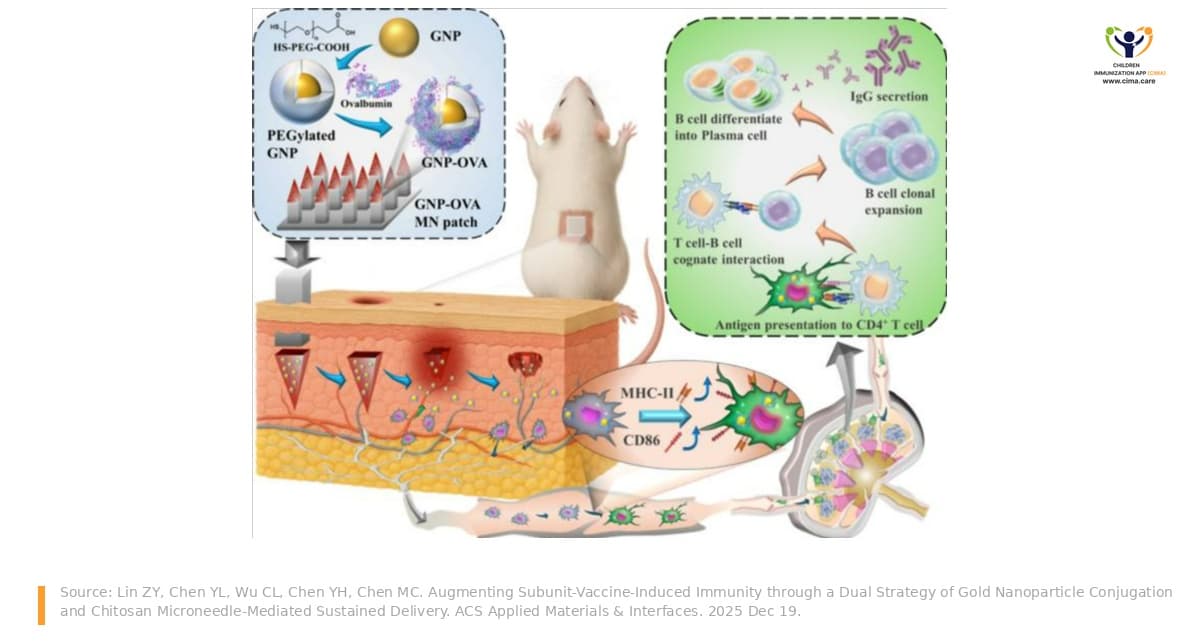
Experimental gold-nanoparticle microneedle patch delivers a model vaccine antigen into mouse skin, promoting immune-cell activation, lymph-node signaling, B-cell expansion, and IgG antibody production.
From Biology to Practice: The One Variable Health Systems Control
An uncomfortable symmetry underlies everything above. Researchers are working to extend the immune window by weeks. Health systems routinely lose it by months.
Worldwide, an estimated 7.3 million infants received their first dose of the diphtheria–Tetanus–Pertussis (DTP) vaccine but did not return for their first measles vaccine dose. This gap helped keep measles coverage below the level needed to prevent outbreaks: in 2025, 84% of children received a first measles-containing vaccine dose (MCV1), and 77% received a second dose (MCV2). Both rates remain well below the 95% coverage generally needed to stop transmission of this highly contagious disease. [44] These are not children who were never reached. They are children whose window opened and then closed before the next dose arrived.
That is the gap CIMA Care was built to close. Timing is the one variable a health system fully controls, and our ecosystem is designed around it. The CIMA App works where intervals are tightest and the cost of delay is highest: it sends automated, multilingual reminders before an interval lapses rather than after; identifies the children who started a series and stopped; and shows program managers where delay, not only non-coverage, is concentrated.
CIMA Care Health Academy extends that work across the full range of timing decisions healthcare teams face. The Academy's CPD-certified courses carry the science in this article into practice: prime-boost intervals and dose validity, catch-up vaccination for those who have fallen behind, scheduling around immunosuppressive treatment, and the maternal vaccination windows that protect a newborn who cannot yet be vaccinated.
Vaccine durability is the biology that researchers are only beginning to learn how to engineer. The timing of a vaccination is a decision a health system makes every day, and it is very often the decision that determines whether protection lasts.
Biology sets the window. Scheduling decides whether we will reach it in time.
See how CIMA Care helps healthcare teams open every immune window on schedule and keep it from closing early: www.cima.care
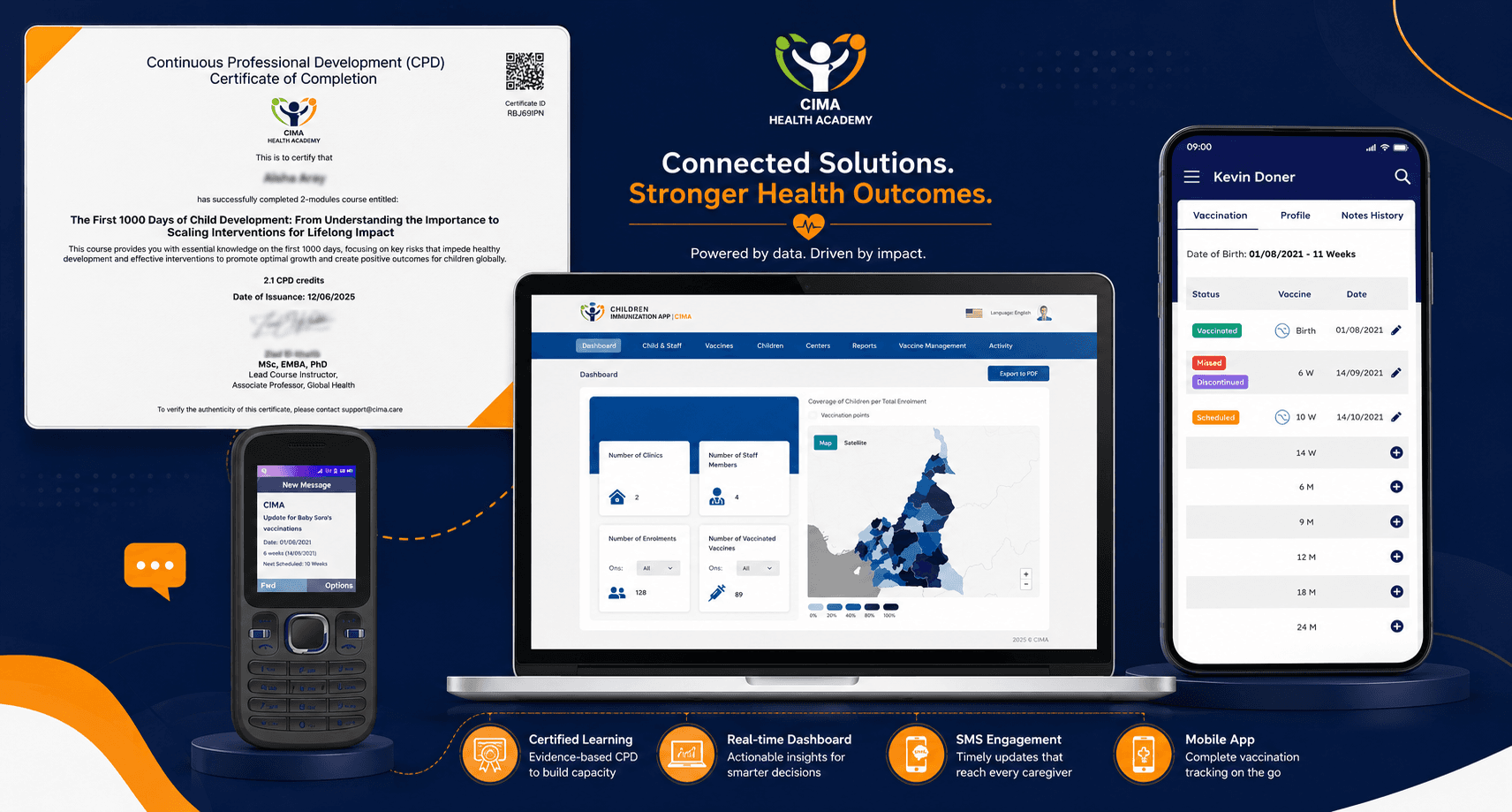
CIMA Care Digital tools help health workers track childhood vaccinations, send reminders, use data to improve coverage, and develop their profiency through CPD-certified online courses.
CONFLICTS OF INTEREST
The author and reviewer declare no financial or non-financial conflicts of interest in relation to the content of this page. Full declarations are held on file only, and are available on request.
LICENCE


Image References
1. Cirelli KM, Carnathan DG, Nogal B, Martin JT, Rodriguez OL, Upadhyay AA, et al. Slow delivery immunization enhances HIV neutralizing antibody and germinal center responses via modulation of immunodominance. Cell [Internet]. 2019 May 16 [cited 2026 Aug 26];177(5):1153-71.e28. Available from: https://doi.org/10.1016/j.cell.2019.04.0122. Lin ZY, Chen YL, Wu CL, Chen YH, Chen MC. Augmenting subunit-vaccine-induced immunity through a dual strategy of gold nanoparticle conjugation and chitosan microneedle-mediated sustained delivery. ACS Appl Mater Interfaces [Internet]. 2026 [cited 2026 Aug XX];18(1):553-[end page]. Epub 2025 Dec 19. Available from: https://doi.org/10.1021/acsami.5c200823. Pineda-Peña AC, Hasegawa K, Pavot V, Berry C, Combadière B, Cortes-Garcia G, et al. Establishing long-lasting vaccine immunity: insights from mRNA and adjuvanted protein platforms. NPJ Vaccines [Internet]. 2025 Dec 8 [cited 2026 Aug 24];10(1):260. Available from: https://doi.org/10.1038/s41541-025-01302-x4. Kim W. Germinal center response to mRNA vaccination and impact of immunological imprinting on subsequent vaccination. Immune Netw [Internet]. 2024 [cited 2026 Aug XX];24(4):e28. Available from: https://doi.org/10.4110/in.2024.24.e285. Centers for Disease Control and Prevention. Catch-up immunization schedule for children and adolescents [Internet]. Atlanta (GA): CDC; [year of last update] [cited 2026 Aug 25]. Available from: https://www.cdc.gov/vaccines/hcp/imz-schedules/child-adolescent-catch-up.html6. Feng Y, de Jong SE, Oliveira APBN, Samaha H, Yang F, Hu M, et al. Antibiotic-induced gut microbiome perturbation alters the immune responses to the rabies vaccine. Cell Host Microbe [Internet]. 2025 [cited 2026 Aug XX];[vol]([issue]):[pages]. Available from: https://www.cell.com/cell-host-microbe/fulltext/S1931-3128(25)00126-X7. Liu Y, Zhang H, Yuan G, Yao M, Li B, Chen J, et al. The impact of circadian rhythms on the immune response to influenza vaccination in middle-aged and older adults (IMPROVE): a randomised controlled trial. Immun Ageing [Internet]. 2022 Oct 17 [cited 2026 Aug XX];19(1):[article number]. Available from: https://doi.org/10.1186/s12979-022-00304-w8. Hervé C, Laupèze B, Del Giudice G, Didierlaurent AM, Tavares Da Silva F. The how's and what's of vaccine reactogenicity. NPJ Vaccines [Internet]. 2019 Sep 24 [cited 2026 Aug 25];4:39. Available from: https://doi.org/10.1038/s41541-019-0132-69. Stanford University Medical Center. Blood test can predict how long vaccine immunity will last, study shows [Internet]. Medical Xpress; 2025 Jan [day] [cited 2026 Aug 24]. Available from: https://medicalxpress.com/news/2025-01-blood-vaccine-immunity.html
Blog Resources
- 1- Pineda-Peña AC, Hasegawa K, Pavot V, Berry C, Combadière B, Cortes-Garcia G, et al. Establishing long-lasting vaccine immunity: insights from mRNA and adjuvanted protein platforms. npj Vaccines [Internet]. 2025 Dec 8 [cited 2026 Aug 24];10(1):260. Available from: https://www.nature.com/articles/s41541-025-01302-x
- 2- Kealy L, Good-Jacobson KL. Severe acute respiratory syndrome coronavirus-2 vaccine-induced B cells aspire to long-lived connections: tracking B-cell memory over time. Immunol Cell Biol. 2022;100(5):308-11. doi: 10.1111/imcb.12548
- 3- Cortese M, Hagan T, Rouphael N, Wu SY, Xie X, Kazmin D, et al. Systems vaccinology analysis of predictors and mechanisms of antibody response durability to multiple vaccines in humans. Nat Immunol [Internet]. 2025 Jan [cited 2026 Aug 24];26(1):116-30. Available from: https://pmc.ncbi.nlm.nih.gov/articles/PMC12158788/
- 4- GEN Staff. COVID-19 vaccines induce lasting immunity via sustained germinal center responses [Internet]. GEN – Genetic Engineering and Biotechnology News; 2021 [cited 2026 Aug 24]. Available from: https://www.genengnews.com/news/covid-19-vaccines-induce-lasting-immunity-via-sustained-germinal-center-responses/
- 5- Kim W. Germinal center response to mRNA vaccination and impact of immunological imprinting on subsequent vaccination. Immune Netw. 2024;24(4).
- 6- Andraud M, Lejeune O, Musoro JZ, Ogunjimi B, Beutels P, Hens N. Living on three time scales: the dynamics of plasma cell and antibody populations illustrated for hepatitis A virus. PLoS Comput Biol. 2012 Mar 1;8(3):e1002418.
- 7- Cusimano G, Staupe RP, Sullivan NL. Emerging novel methodologies to understand and strategically target long-lived plasma cells in vaccine design to induce durable immunity. Front Immunol. 2026 Feb 6;16.
- 8- Stanford University Medical Center. Blood test can predict how long vaccine immunity will last, study shows [Internet]. Medical Xpress; 2025 [cited 2026 Aug 24]. Available from: https://medicalxpress.com/news/2025-01-blood-vaccine-immunity.html
- 9- Nguyen DC, Hentenaar IT, Morrison-Porter A, Solano D, Haddad NS, Castrillon C, et al. SARS-CoV-2-specific plasma cells are not durably established in the bone marrow long-lived compartment after mRNA vaccination. Nat Med. 2024 Sep 27.
- 10- Ahmed JI, Krosta SJ, Reimer MN, Cheung W, Mesa C, Lopez C, et al. Improved antibody breadth with an extended primary dose interval of COVID-19 vaccine is overcome by boosters. Front Immunol [Internet]. 2025 Mar 27 [cited 2026 Aug 25];16. Available from: https://pmc.ncbi.nlm.nih.gov/articles/PMC11983636/
- 11- Centers for Disease Control and Prevention. Catch-up immunization schedule for children and adolescents [Internet]. Atlanta (GA): CDC; 2024 [cited 2026 Aug 25]. Available from: https://www.cdc.gov/vaccines/hcp/imz-schedules/child-adolescent-catch-up.html
- 12- Centers for Disease Control and Prevention. Timing and spacing of immunobiologics [Internet]. Atlanta (GA): CDC; 2024 [cited 2026 Aug 25]. Available from: https://www.cdc.gov/vaccines/hcp/imz-best-practices/timing-spacing-immunobiologics.html
- 13- Amini A, Garner LC, Shaw RH, Kelly NW, Adele S, Skelly DT, et al. MAIT and other innate-like T cells integrate adaptive immune responses to modulate interval-dependent reactogenicity to mRNA vaccines. Sci Immunol. 2025 Aug 29;10(110).
- 14- Hervé C, Laupèze B, Del Giudice G, Didierlaurent AM, Tavares Da Silva F. The how's and what's of vaccine reactogenicity. npj Vaccines [Internet]. 2019 Sep 24 [cited 2026 Aug 25];4:39. Available from: https://www.nature.com/articles/s41541-019-0132-6
- 15- Centers for Disease Control and Prevention. Vaccines for moderately to severely immunocompromised people [Internet]. Atlanta (GA): CDC; 2024 [cited 2026 Aug 25]. Available from: https://www.cdc.gov/covid/vaccines/immunocompromised-people.html
- 16- Centers for Disease Control and Prevention. Getting your COVID-19 vaccine [Internet]. Atlanta (GA): CDC; 2024 [cited 2026 Aug 25]. Available from: https://www.cdc.gov/covid/vaccines/getting-your-covid-19-vaccine.html
- 17- Tortorici MA, Addetia A, Seo AJ, Brown J, Sprouse K, Logue J, et al. Persistent immune imprinting occurs after vaccination with the COVID-19 XBB.1.5 mRNA booster in humans. Immunity [Internet]. 2024 Apr [cited 2026 Aug 25];57(4):904-11.e4. Available from: https://www.cell.com/immunity/fulltext/S1074-7613(24)00092-X
- 18- Tortorici MA, Sprouse KR, Addetia A, Brown JT, Lee J, Stewart C, et al. Repeated COVID-19 vaccine boosters elicit variant-specific memory B cells in humans. Cell Rep [Internet]. 2026 [cited 2026 Aug 25];45(3):117052. Available from: https://pubmed.ncbi.nlm.nih.gov/41800618/
- 19- Immunize.org. Ask the experts: administering vaccines [Internet]. Saint Paul (MN): Immunize.org; 2023 [cited 2026 Aug 25]. Available from: https://www.immunize.org/ask-experts/topic/admin-vaccines/
- 20- Centers for Disease Control and Prevention. Chapter 2: General best practice guidance for immunization. In: Epidemiology and prevention of vaccine-preventable diseases [Internet]. Atlanta (GA): CDC; 2024 [cited 2026 Aug 25]. Available from: https://www.cdc.gov/pinkbook/hcp/table-of-contents/chapter-2-general-best-practice-guidance.html
- 21- Centers for Disease Control and Prevention. Vaccination records [Internet]. Atlanta (GA): CDC; 2024 [cited 2026 Aug 25]. Available from: https://www.cdc.gov/vaccines/hcp/imz-best-practices/vaccination-records.html
- 22- Centers for Disease Control and Prevention. Child immunization schedule notes [Internet]. Atlanta (GA): CDC; 2024 [cited 2026 Aug 25]. Available from: https://www.cdc.gov/vaccines/hcp/imz-schedules/child-adolescent-notes.html
- 23- Bass AR, Chakravarty E, Akl EA, Bingham CO, Calabrese L, Cappelli LC, et al. 2022 American College of Rheumatology guideline for vaccinations in patients with rheumatic and musculoskeletal diseases. Arthritis Care Res (Hoboken) [Internet]. 2023 Mar [cited 2026 Aug 25];75(3):449-64. Available from: https://pubmed.ncbi.nlm.nih.gov/36597813/
- 24- Genentech. Rituxan (rituximab) injection: highlights of prescribing information [Internet]. South San Francisco (CA): Genentech; 2019 [cited 2026 Aug 25]. Available from: https://www.accessdata.fda.gov/drugsatfda_docs/label/2019/103705s5459lbl.pdf
- 25- Klein HE. ACR releases 2022 vaccination guideline summary for patients with RMDs [Internet]. AJMC; 2022 [cited 2026 Aug 25]. Available from: https://www.ajmc.com/view/acr-releases-2022-vaccination-guideline-summary-for-patients-with-rmds
- 26- Feng Y, de Jong SE, Oliveira APBN, Samaha H, Yang F, Hu M, et al. Antibiotic-induced gut microbiome perturbation alters the immune responses to the rabies vaccine. Cell Host Microbe [Internet]. 2025 May [cited 2026 Aug 25];33(5):705-18.e5. Available from: https://www.cell.com/cell-host-microbe/fulltext/S1931-3128(25)00126-X
- 27- Jasset OJ, Andrea P, Bahadir Z, Shook L, Dennis M, Gilbert E, et al. Enhanced placental antibody transfer efficiency with longer interval between maternal RSV vaccination and birth. Am J Obstet Gynecol. 2024 Nov 1.
- 28- Centers for Disease Control and Prevention. RSV vaccine guidance for pregnant people [Internet]. Atlanta (GA): CDC; 2024 [cited 2026 Aug 26]. Available from: https://www.cdc.gov/rsv/hcp/vaccine-clinical-guidance/pregnant-people.html
- 29- Centers for Disease Control and Prevention. Tdap vaccination for pregnant women [Internet]. Atlanta (GA): CDC; 2025 [cited 2026 Aug 26]. Available from: https://www.cdc.gov/pertussis/vaccines/tdap-vaccination-during-pregnancy.html
- 30- Eberhardt CS, Blanchard-Rohner G, Lemaître B, Boukrid M, Combescure C, Othenin-Girard V, et al. Maternal immunization earlier in pregnancy maximizes antibody transfer and expected infant seropositivity against pertussis. Clin Infect Dis [Internet]. 2016 Apr 1 [cited 2026 Aug 26];62(7):829-36. Available from: https://academic.oup.com/cid/article/62/7/829/2463039
- 31- Varma A, Bolotin S, De Serres G, Didierlaurent AM, Earle K, Frey K, et al. What is the current evidence base for measles vaccination earlier than 9 months of age? Report from an informal technical consultation of the World Health Organization. Vaccine [Internet]. 2025 [cited 2026 Aug 26];57:127187. Available from: https://pubmed.ncbi.nlm.nih.gov/40373694/
- 32- Centers for Disease Control and Prevention. Measles vaccine recommendations [Internet]. Atlanta (GA): CDC; 2024 [cited 2026 Aug 26]. Available from: https://www.cdc.gov/measles/hcp/vaccine-considerations/index.html
- 33- Centers for Disease Control and Prevention. Rubella vaccine recommendations [Internet]. Atlanta (GA): CDC; 2024 [cited 2026 Aug 26]. Available from: https://www.cdc.gov/rubella/hcp/vaccine-considerations/index.html
- 34- Centers for Disease Control and Prevention. Pregnancy and vaccines [Internet]. Atlanta (GA): CDC; 2024 [cited 2026 Aug 26]. Available from: https://www.cdc.gov/vaccine-safety/about/pregnancy.html
- 35- Liu Y, Zhang H, Yuan G, Yao M, Li B, Chen J, et al. The impact of circadian rhythms on the immune response to influenza vaccination in middle-aged and older adults (IMPROVE): a randomised controlled trial. Immun Ageing. 2022 Oct 17;19(1).
- 36- [Author(s)]. [Title]. Vaccines (Basel) [Internet]. 2025 [cited 2026 Aug 27];13(8):845. Available from: https://www.mdpi.com/2076-393X/13/8/845
- 37- Ballesio A. Sleep, insomnia, and immune responses to influenza vaccine: state of the art and implications for health psychology. Curr Sleep Med Rep. 2026 Feb 23;12(1).
- 38- Guan M, Gu W, Gileles-Hillel A, Khalyfa A, Balamalaliyage P, Tunterak W, et al. Poor sleep impairs immune responses and influenza vaccine protection. Nat Commun. 2025 May 12.
- 39- Hallam J, Jones T, Alley J, Kohut ML. Exercise after influenza or COVID-19 vaccination increases serum antibody without an increase in side effects. Brain Behav Immun. 2022 May;102:1-10.
- 40- Cirelli KM, Carnathan DG, Nogal B, Martin JT, Rodriguez OL, Upadhyay AA, et al. Slow delivery immunization enhances HIV neutralizing antibody and germinal center responses via modulation of immunodominance. Cell [Internet]. 2019 May [cited 2026 Aug 26];177(5):1153-71.e28. Available from: https://www.cell.com/cell/fulltext/S0092-8674(19)30398-8
- 41- Lotspeich-Cole L, Parvathaneni S, Sakai J, Liu L, Takeda K, Lee RC, et al. Sustained antigen delivery improves germinal center reaction and increases antibody responses in neonatal mice. NPJ Vaccines [Internet]. 2024 [cited 2026 Aug 26];9(1):92. Available from: https://pubmed.ncbi.nlm.nih.gov/38796539/
- 42- Tran KTM, Gavitt TD, Le TT, Graichen A, Lin F, Liu Y, et al. A single-administration microneedle skin patch for multi-burst release of vaccine against SARS-CoV-2. Adv Mater Technol [Internet]. 2022 [cited 2026 Aug 26]:2200905. Available from: https://pubmed.ncbi.nlm.nih.gov/36714215/
- 43- Lin ZY, Chen YL, Wu CL, Chen YH, Chen MC. Augmenting subunit-vaccine-induced immunity through a dual strategy of gold nanoparticle conjugation and chitosan microneedle-mediated sustained delivery. ACS Appl Mater Interfaces. 2025 Dec 19.
- 44- UNICEF. Global childhood immunization coverage inches forward despite conflict and hesitancy – UNICEF, WHO [Internet]. New York: UNICEF; 2026 Jul 15 [cited 2026 Aug 26]. Available from: https://www.unicef.org/press-releases/global-childhood-immunization-coverage-inches-forward-despite-conflict-and-hesitancy
- 45- Spiegel K, Rey AE, Cheylus A, Ayling K, Benedict C, Lange T, et al. A meta-analysis of the associations between insufficient sleep duration and antibody response to vaccination. Curr Biol [Internet]. 2023 Mar [cited 2026 Aug 27];33(5):998-1005.e2. Available from: https://www.cell.com/current-biology/fulltext/S0960-9822(23)00156-2
Enjoyed this article?
Share it with your friends on LinkedIn: The Appointment Ends, the Immune Response Is Just Beginning: How Vaccination Works 
Follow us on LinkedIn for more updates and insights: Cima Care GmbH