
Vaccines and their pathways to lifelong health. From preventing infections to protecting hearts, preserving minds, and even fighting cancer. |
février 24, 2026 . 4 Minutes read
Beyond Protection: How Vaccines Are Rewriting the Future of Brain Health, Heart Disease, and Cancer Treatment
For decades, vaccines have been celebrated as humanity's most powerful defense against infectious diseases. [2] Yet groundbreaking research emerging in 2024-2025 reveals a paradigm shift in vaccine science and an extraordinary truth: the benefits of vaccination extend far beyond infection prevention, offering unexpected protection against dementia and cardiovascular events and even enhancing cancer immunotherapy outcomes. This blog article reviews some of the latest evidence-based findings that are transforming our understanding of vaccine safety and efficacy, displaying why immunization represents one of the most versatile tools in modern preventive medicine. [1]
The Dementia-Vaccination Connection: Protecting Cognitive Function
Perhaps the most striking discovery in recent vaccine research comes from natural experiment studies demonstrating causal links between herpes zoster vaccination and reduced dementia incidence. Evidence from Australia using a similar quasi-experimental design with 101,219 patients found that eligibility for the herpes zoster vaccine decreased the probability of receiving a new dementia diagnosis by 1.8 percentage points (95% CI, 0.4-3.3; P = .01) over a 7.4-year follow-up period. Among "active" patients who visited primary care frequently, the protective effect was even more pronounced (3.1 percentage points). Importantly, vaccine eligibility did not affect the probability of receiving other vaccinations or diagnoses for other common chronic conditions, confirming the specificity of the dementia-protection effect. [3]
Another rigorous regression discontinuity study in Wales, utilizing exact date-of-birth eligibility cutoffs and seven years of electronic health record follow-up, found that receiving the live-attenuated shingles vaccine (Zostavax) reduced the probability of new dementia diagnosis by 3.5 percentage points, a 20.0% relative reduction (95% CI 6.5–33.4; P=0.019). The study design was particularly smart because it avoided the 'healthy user problem,' the fact that people who choose to get vaccinated are often healthier to begin with, not just because of the vaccine. Since eligibility was determined solely by birthdate (born before or after September 2, 1933), the vaccinated and unvaccinated groups were virtually identical except for the vaccine itself, revealing the vaccine's true protective power. [4]
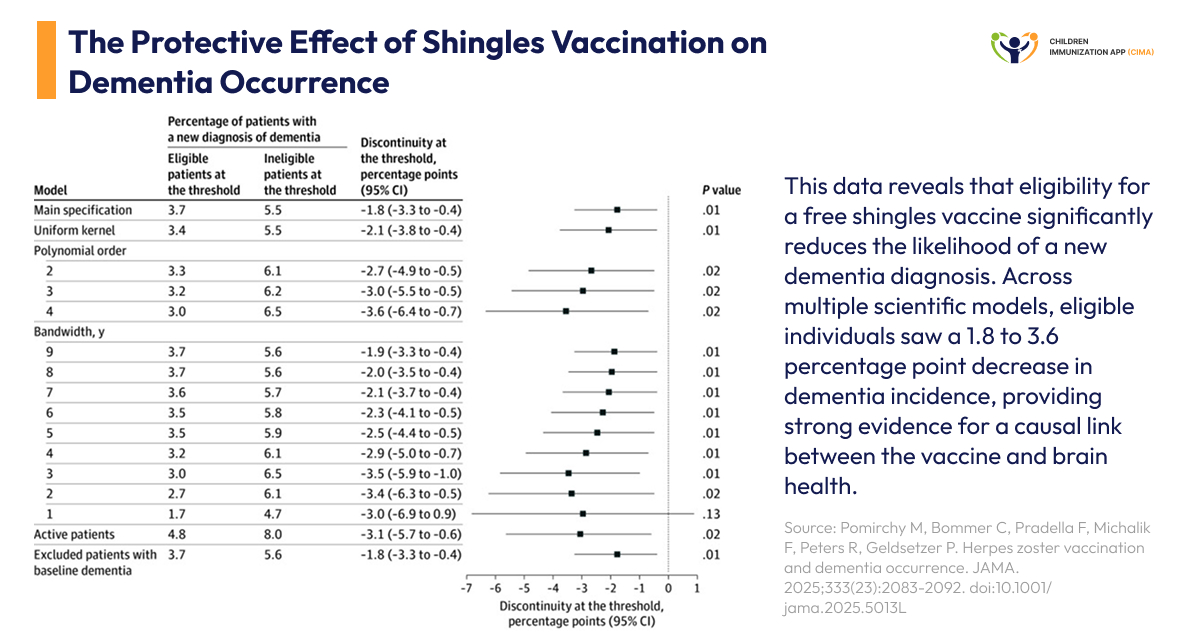
Natural experiment proves causal link: Shingles vaccine reduces dementia by 1.8-3.6 points.
Recombinant Shingles Vaccine: Enhanced Neuroprotection
A natural experiment in the United States, leveraging the rapid transition from the live (vaccine containing a weakened live virus) to the recombinant shingles vaccine (containing only a specific viral protein component without any live virus, combined with immune-boosting adjuvants) after October 2017, revealed even more impressive results. Comparing 103,837 individuals in each cohort, the recombinant shingles vaccine (Shingrix) was associated with a 17% increase in dementia diagnosis-free time over six years following vaccination, translating to 164 additional days lived without a dementia diagnosis for those subsequently affected.
The protective effect was significantly greater in women (22% more time without a diagnosis) than in men (13%), and the association was consistent across most dementia subtypes, including Alzheimer's disease. [5]
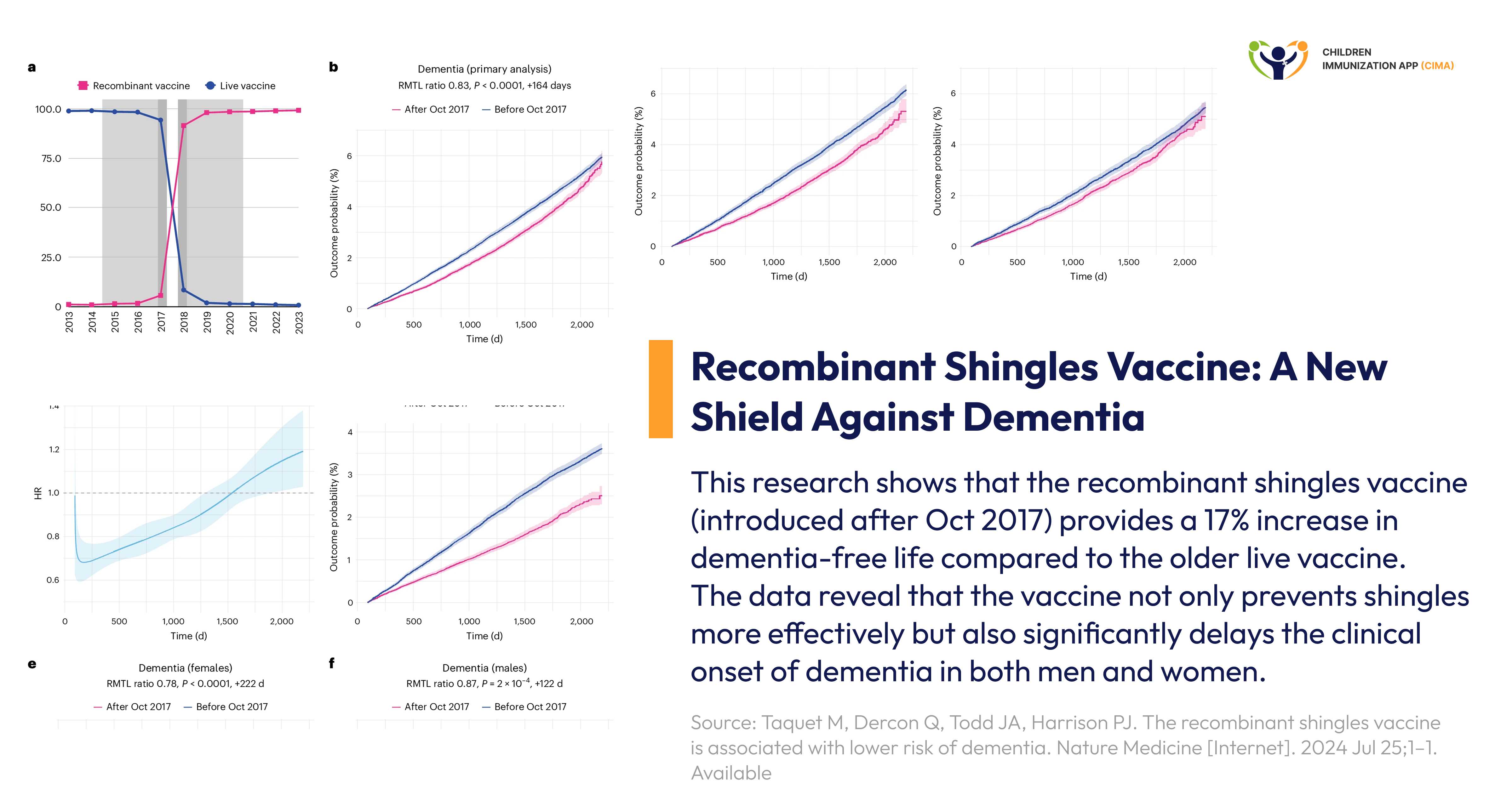
Recombinant vaccine (pink) delays dementia onset 164 days more than older live vaccine.
Influenza Vaccination: Cognitive Preservation Through Vascular Stabilization
Seasonal influenza vaccination has emerged as a pragmatic strategy for dementia prevention, with a 2023 meta-analysis of 2.09 million adults finding a 31% lower risk of incident dementia among those vaccinated (RR 0.69). Large, matched cohorts in the United States demonstrated a 40% lower risk of Alzheimer's disease, representing an absolute risk reduction of 3.4%, while UK Biobank data indicated a particularly strong protective effect against vascular dementia with a hazard ratio of 0.58, a 42% reduction.
Critically, multiple studies observed a dose-response effect: the protective benefit increases with multiple doses across years and seasons, suggesting a cumulative neuroprotective effect. The dual mechanistic pathway operates through vascular stabilization, preventing the six-fold increase in myocardial infarction risk and stroke that occurs with influenza infection, and neuroinflammatory modulation, as even non-neurotropic influenza strains cause prolonged microglial activation and synapse loss in the hippocampus. [6]
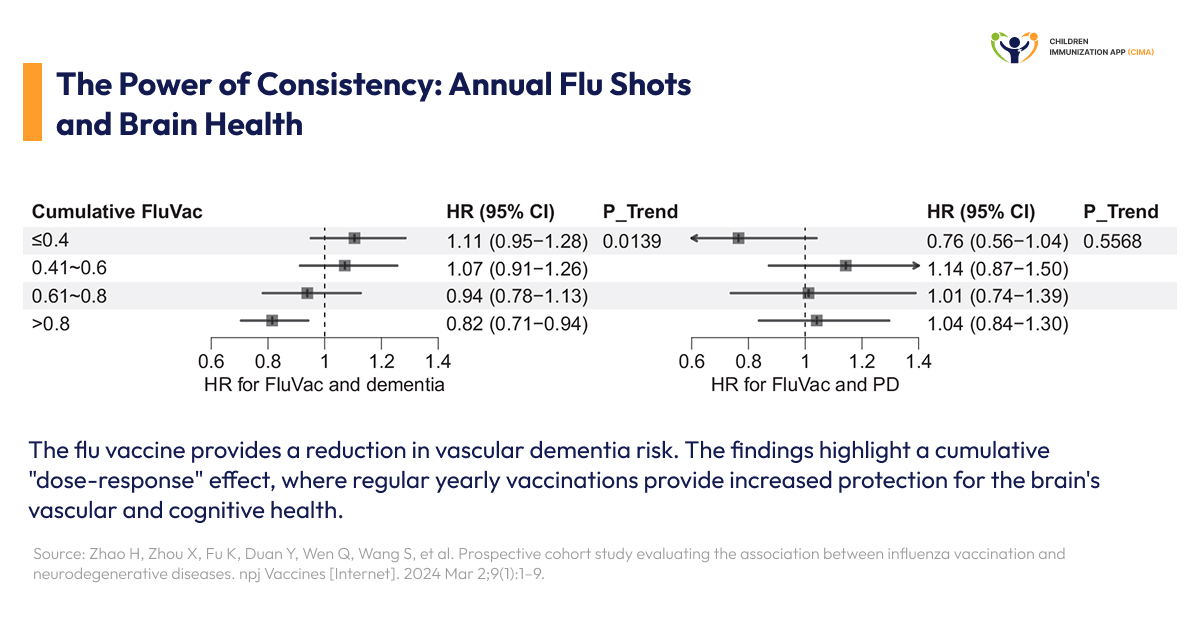
Dose-response: Highest flu vaccine coverage reduces dementia (HR 0.82 = 18% reduction).
Meta-Analysis: Vaccinations Across the Lifespan Reduce Dementia Risk
A massive systematic review and meta-analysis synthesizing data from 21 observational studies involving over 104 million participants revealed consistent associations between common adult vaccinations and reduced dementia risk.
The proposed mechanistic framework centers on reduced systemic inflammation leading to decreased neuroinflammation (less glial activation, cytokines, and blood-brain barrier dysfunction); prevention of infection reactivation; reducing chronic inflammatory burden on the brain; potential "trained immunity" improving clearance of pathological proteins like β-amyloid; and fewer vascular insults, reducing vascular dementia contribution. [7]
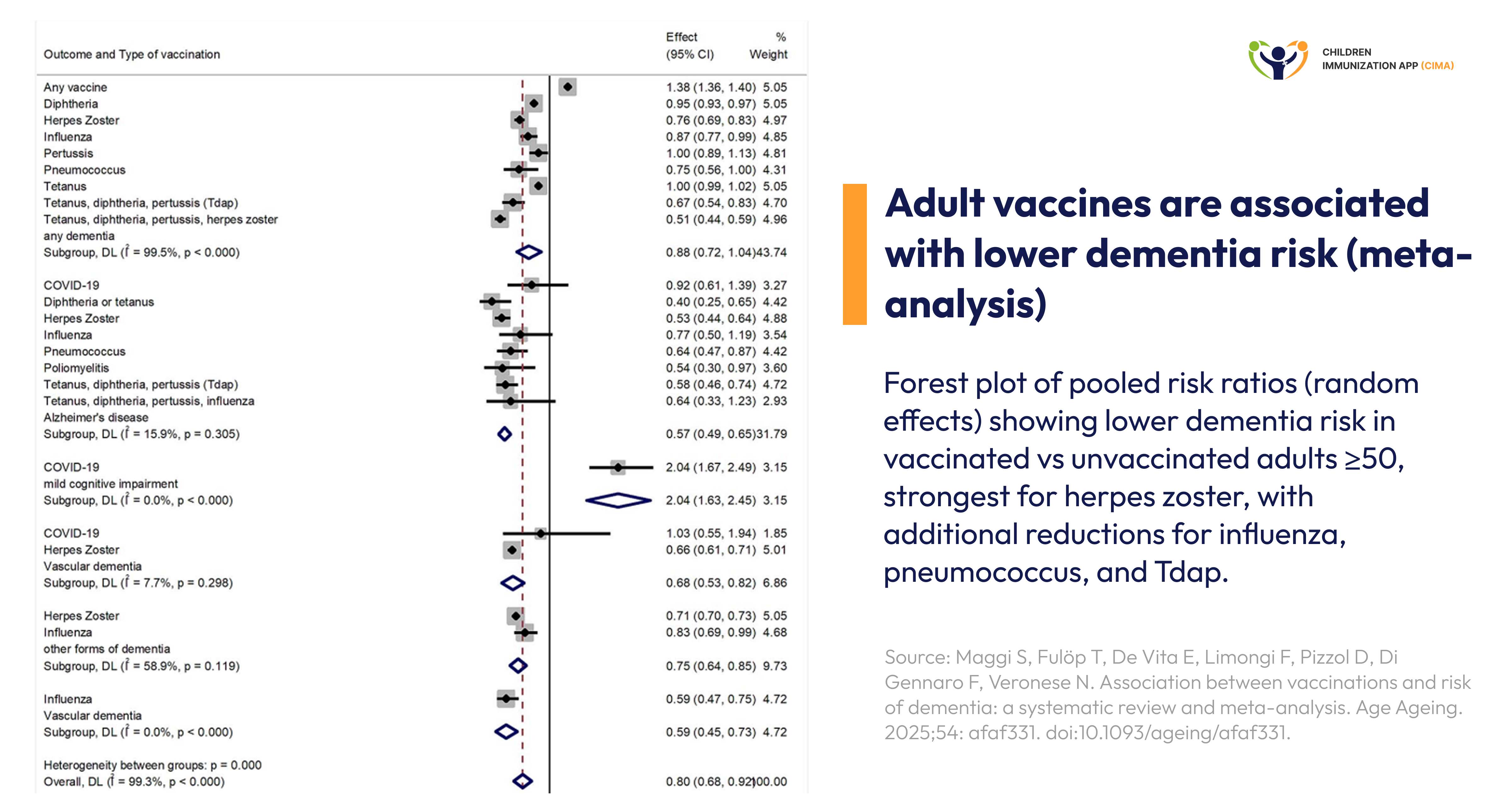
Meta-analysis of 104M adults: Vaccines cut dementia risk 13-47%, strongest for shingles.
Vaccines and Cardiovascular Protection: Shielding Hearts Beyond Infection
Vaccination against influenza has been associated with substantially lower risks of heart attack and stroke, with research demonstrating profound cardiovascular benefits. In a landmark case-control study of 218 patients with established coronary heart disease, influenza vaccination during the same flu season was associated with a remarkable 67% lower probability of recurrent myocardial infarction. This protection remained significant even after adjusting for health-conscious behaviors of vaccinated persons and other cardiovascular risk factors.
The mechanistic pathway is multifaceted: influenza infection triggers inflammatory activity in atherosclerotic plaques, increases coagulability through elevated fibrinogen and platelet aggregation, causing endothelial dysfunction, and inducing metabolic stress through elevated glucose and triglycerides, all factors that precipitate plaque rupture and thrombosis. By preventing influenza infection, vaccination interrupts these destructive cascades, effectively reducing the "final common pathway" events that lead to acute cardiovascular events. [8]
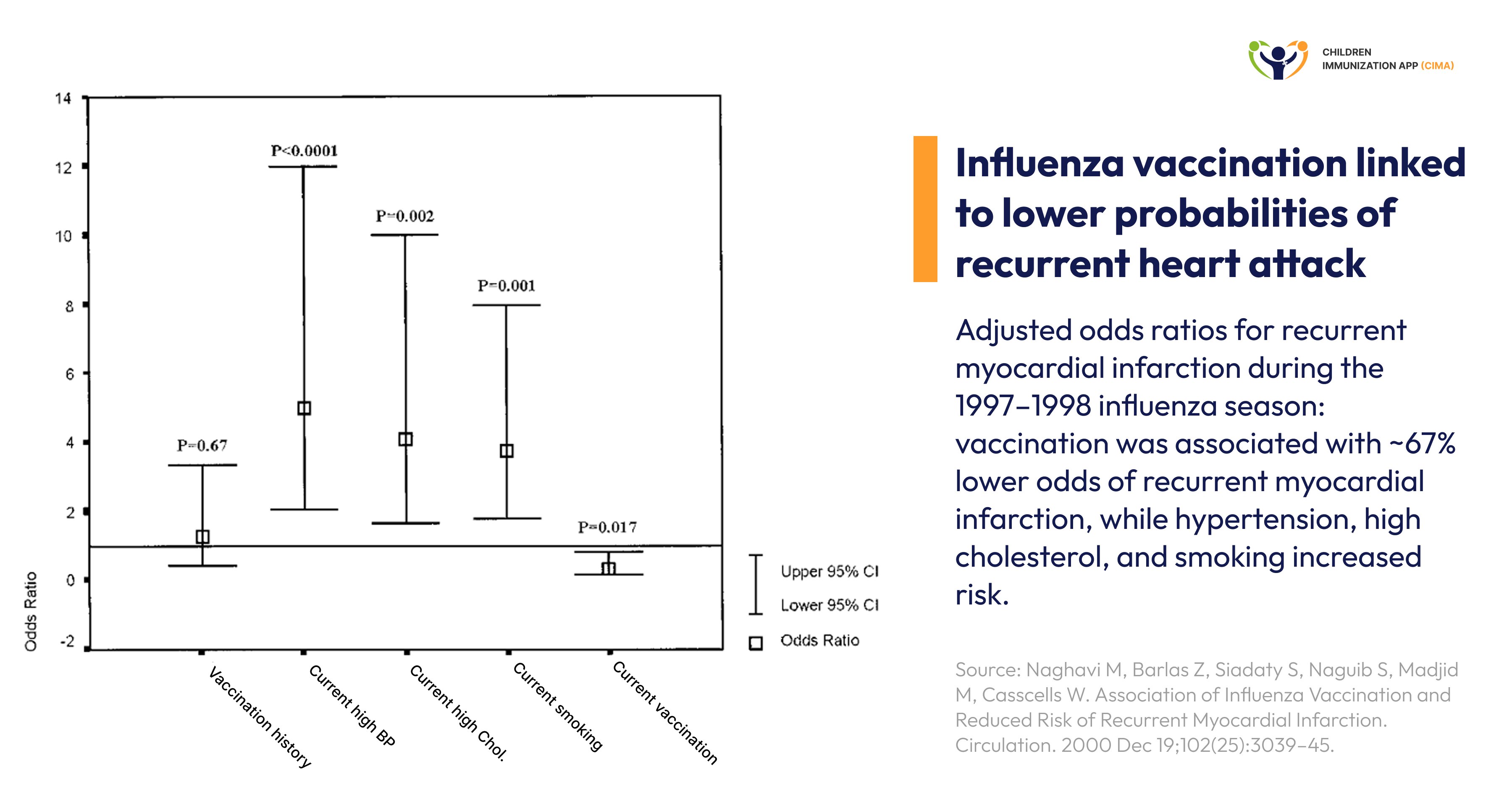
Flu vaccination cuts recurrent heart attack risk by 67% in heart disease patients.
Comprehensive Heart Failure Protection in Seniors
Large-scale observational cohort data spanning six consecutive influenza seasons (1990–1996) in seniors aged 65 and older revealed that vaccination was associated with 27% fewer hospitalizations for congestive heart failure (P<.001), 39% fewer hospitalizations for pneumonia and influenza (P<.001), and 32% fewer hospitalizations for all acute and chronic respiratory conditions (P<.001). These benefits extended across all risk strata—low, intermediate, and high-risk seniors—with net direct cost savings of approximately $73 per vaccinated senior after accounting for program costs. [9]
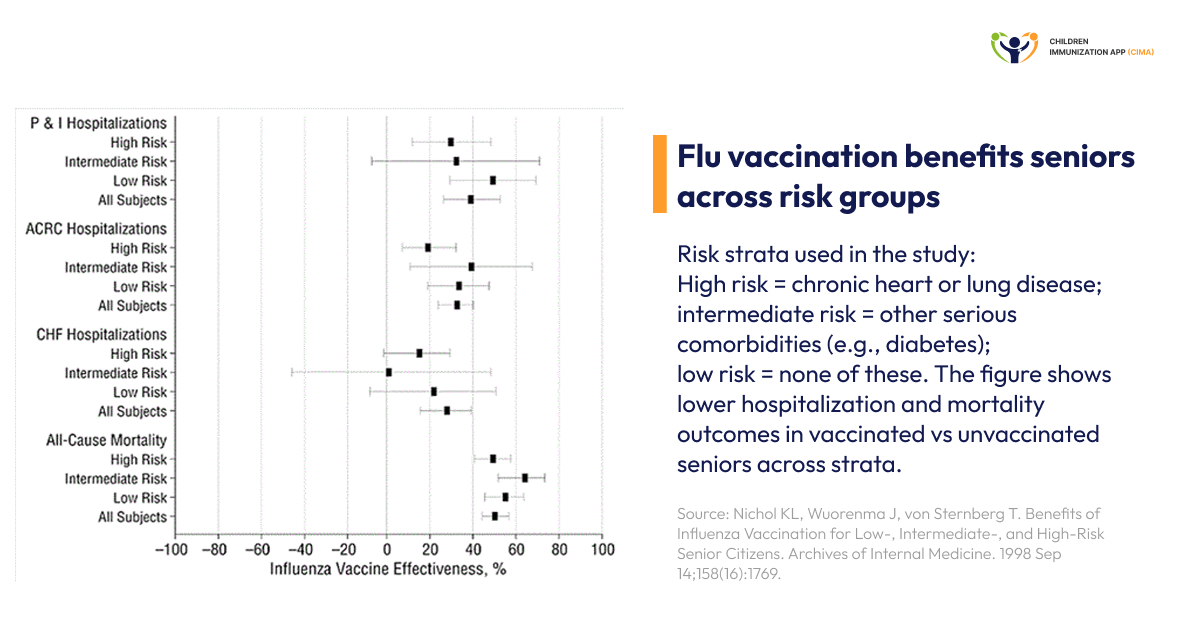
Flu vaccine cuts heart failure hospitalizations 27% across all senior risk levels.
Shingles Vaccination and Cardiovascular Events
The first global systematic review and meta-analysis examining herpes zoster vaccination and cardiovascular outcomes, analyzing 19 studies, found that vaccination with either recombinant (RZV) or live attenuated (ZVL) vaccines was associated with an 18% reduction in cardiovascular events for adults aged 18 and older and a 16% reduction for those aged 50 and older. To put this in practical terms: among every 1,000 vaccinated adults tracked over one year, there were 1.2 to 2.2 fewer heart attacks or strokes compared to those who were not vaccinated.
The varicella-zoster virus invades both large and small blood vessels in the head, causing inflammation and vascular remodeling that directly increase stroke risk after shingles outbreaks. By preventing viral reactivation, vaccination bypasses this inflammatory cascade. [10]
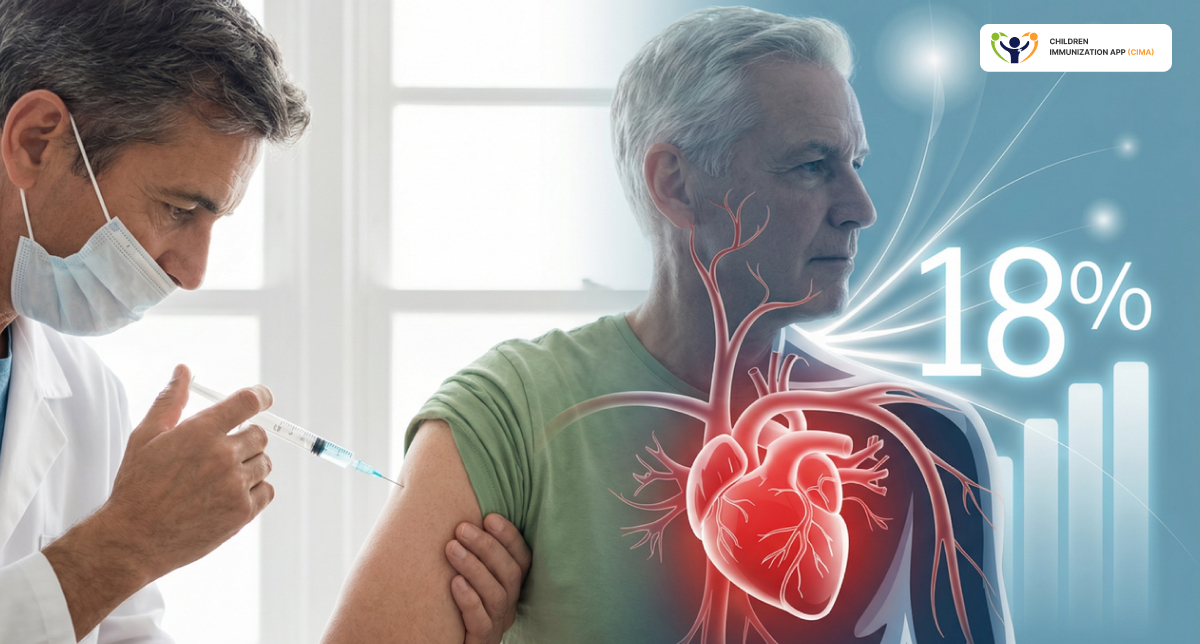
Shingles vaccine cuts heart attack and stroke risk by 18% across all people at/above 18.
RSV Vaccination: Cardiorespiratory Hospital Prevention
A major study in Denmark involving over 131,000 adults aged 60 and older found that the RSV vaccine (RSVpreF) reduced hospitalizations for heart and lung problems by nearly 10%. In practical terms, this means that for every 1,000 vaccinated seniors followed for one year, approximately 3 hospitalizations for heart or respiratory issues were prevented compared to those who did not receive the vaccine. The vaccine benefited all seniors equally, whether or not they had pre-existing heart conditions. The protection works like dominoes in reverse: the RSV vaccine prevents the initial infection, which means there's no severe respiratory illness, which means the heart and lungs are not pushed into crisis, which ultimately prevents hospitalization. [11]
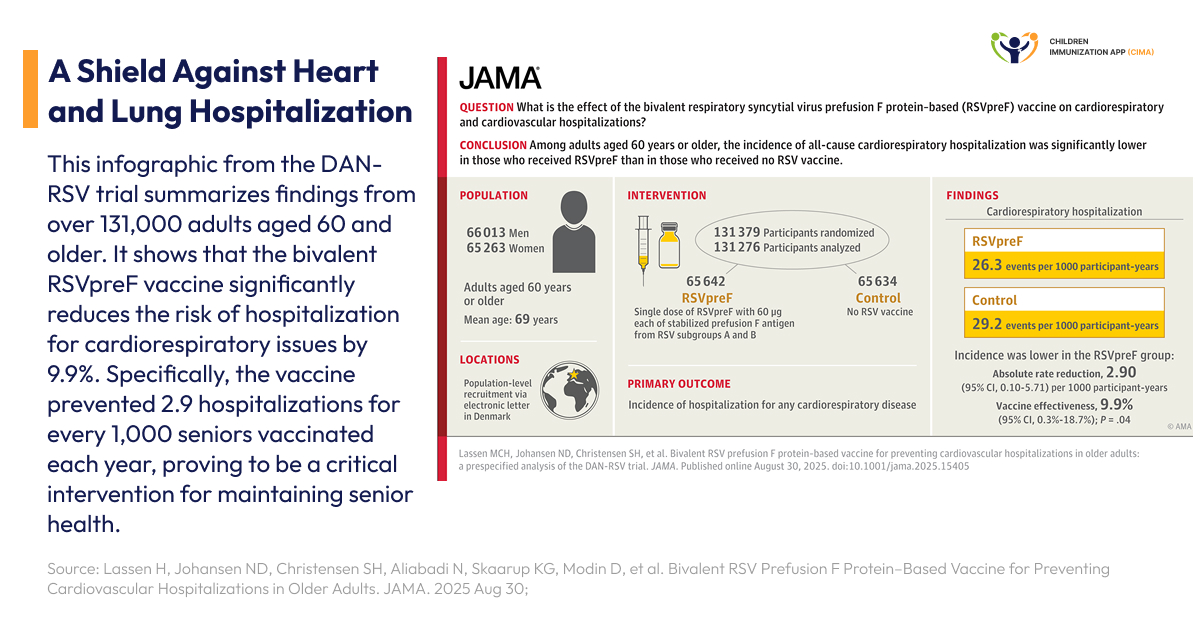
RSVpreF vaccine cuts cardiorespiratory hospitalizations by 9.9% in seniors 60.
COVID-19 mRNA Vaccines: An Unexpected Weapon Against Cancer
Groundbreaking research published in the prestigious journal Nature in October 2025 revealed a completely unexpected benefit of COVID-19 mRNA vaccines: they can dramatically improve the effectiveness of certain cancer treatments. Research found an extended life for cancer patients. Scientists studied lung cancer patients who were receiving a type of cancer treatment called immunotherapy (drugs that help the immune system fight cancer). They discovered something remarkable: patients who happened to receive a COVID-19 mRNA vaccine (like Pfizer or Moderna) within about 3 months of starting their cancer treatment lived significantly longer.
The numbers are striking:
Lung cancer patients who received the COVID-19 vaccine lived an average of 37 months (just over 3 years).
Those who didn't receive the vaccine lived an average of only 21 months (less than 2 years).
That's an extra 16 months of life, almost a year and a half longer
Similar life-extending benefits were seen in patients with advanced melanoma (skin cancer).
How Does a COVID-19 Vaccine Help Fight Cancer?
This discovery surprised even the researchers. Here's how it works, explained step-by-step:
Step 1: The Vaccine Sounds an Alarm. When you receive an mRNA vaccine, your body produces a powerful immune signal called interferon within the first 24 hours. Think of this as a loud alarm that wakes up your entire immune system. It is the body's natural "virus alert" system.
Step 2: Immune Cells Get Activated. This alarm activates special immune cells throughout your body, including inside tumors. These activated cells act like security guards who suddenly become much more alert and ready to identify threats.
Step 3: The Immune System Learns to Recognize Cancer. Here is where it gets interesting: these activated immune cells do not just learn to recognize the COVID spike protein; they also start recognizing cancer cells as dangerous. It is like training guard dogs to find one specific scent, but they accidentally learn to detect several other threats at the same time.
Step 4: Cancer Becomes Vulnerable As the newly trained immune cells attack the tumor, cancer cells try to defend themselves by displaying more "stop signs" (a protein called PD-L1) that normally tell immune cells to back off. However, this backfires: the cancer immunotherapy drugs work by blocking exactly these "stop signs." So by putting up more stop signs, the cancer actually makes itself a better target for the treatment.
What This Means in Simple Terms
The COVID-19 mRNA vaccine essentially "primes" or "jump-starts" the immune system, making cancer immunotherapy drugs work much better. The vaccine and the cancer treatment create a powerful one-two punch: the vaccine wakes up the immune system and teaches it to recognize cancer, while the cancer drugs remove the brakes that normally prevent immune cells from attacking tumors.
This discovery was confirmed in both human patients and laboratory studies with mice, where the combination of vaccine plus cancer treatment shrank tumors far more effectively than cancer treatment alone.
The Bottom Line
What started as a vaccine to prevent COVID-19 has revealed an entirely unexpected superpower: enhancing the body's ability to fight cancer. This opens exciting new possibilities for improving cancer treatment outcomes. [12]
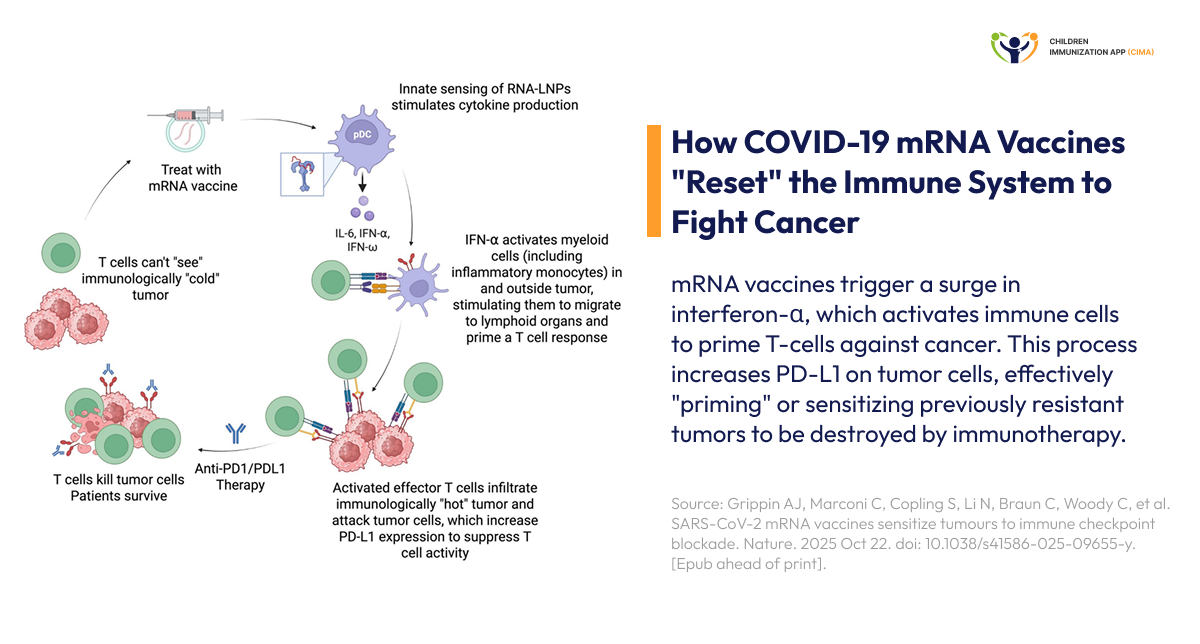
COVID vaccine activates immune cells against cancer, making immunotherapy more effective.
Conclusion: Reimagining Vaccination as a Comprehensive Health Strategy
The evidence presented here represents a paradigm shift in how we understand and value vaccination. Beyond vaccines' established role in preventing infectious diseases, vaccines have emerged as powerful tools for cardiovascular protection, cognitive preservation, and even enhancing cancer treatment. The consistency of findings across multiple high-quality studies, from natural experiments that minimize confounding to large-scale meta-analyses, demonstrates that the benefits of vaccination extend far beyond their primary targets. [1-12]

Evidence reveals vaccines protect the brain and heart and enhance cancer treatment beyond infection.
CIMA Care: Empowering Healthcare Professionals with facilitated Management and Evidence-Based Knowledge
At CIMA Care, we recognize that translating this revolutionary science into improved health outcomes requires comprehensive education and seamless implementation. Our integrated three-pillar ecosystem combines our application and web-based dashboard's advanced digital health technology, internationally certified professional development through CIMA Health Academy (CPD-UK certified member #19938), and our health messages' evidence-based community engagement to strengthen immunization programs worldwide.
Join the movement transforming global immunization. Visit www.cima.care to discover how our evidence-based solutions can strengthen your immunization programs.

CIMA Care's three pillars: digital platform, CPD-certified training, and evidence-based engagement.
Building a Healthier, More Equitable Future, Together
Image References
- 1. Article on HPV vaccination and cervical cancer prevention [Internet]. PubMed. 2025 [cited 2026 May 12]. Available from: https://pubmed.ncbi.nlm.nih.gov/40267506/
- 2. Article on HPV vaccination strategies and cervical cancer elimination. Nat Med. 2024 [cited 2026 May 12]. Available from: https://www.nature.com/articles/s41591-024-03201-5
- 3. Article related to HPV vaccination research [Internet]. PubMed. 2024 [cited 2026 May 12]. Available from: https://pubmed.ncbi.nlm.nih.gov/38431710/
- 4. Article related to HPV vaccination outcomes [Internet]. PubMed. 2025 [cited 2026 May 12]. Available from: https://pubmed.ncbi.nlm.nih.gov/41269248/
- 5. Article published in Circulation. Circulation. 2000 [cited 2026 May 12]. Available from: https://www.ahajournals.org/doi/10.1161/01.CIR.102.25.3039
- 6. Article published in JAMA Internal Medicine. JAMA Intern Med. 2015 [cited 2026 May 12]. Available from: https://jamanetwork.com/journals/jamainternalmedicine/fullarticle/209078
- 7. Black man nurse and typing with laptop for online booking administration or medical appointment [Internet image]. Adobe Stock [cited 2026 May 12]. Available from: https://stock.adobe.com/images/black-man-nurse-and-typing-with-laptop-for-online-booking-administration-or-medical-appointment-african-person-smile-and-health-admin-with-computer-at-front-desk-for-planning-visit-or-schedule/1661205978
Blog Resources
- 1- Span P. Vaccines Are Helping Older People More Than We Knew. Many shots seem to have “off target” benefits, such as lowering the risk of dementia, studies have found. [Internet]. New York Times. 2026. Available from: https://www.nytimes.com/2026/01/03/health/vaccines-dementia-heart-elderly.html?unlocked_article_code=1.B1A.3HNX.e_gmxbqMzvUm&smid=nytcore-ios-share2- CDC. Vaccination Trends [Internet]. Respiratory Illnesses. 2024. Available from: https://www.cdc.gov/respiratory-viruses/data/vaccination-trends.html
- 3- Pomirchy M, Bommer C, Pradella F, Michalik F, Peters R, Geldsetzer P. Herpes Zoster Vaccination and Dementia Occurrence. JAMA. 2025 Jun 17;333(23):2083.
- 4- Eyting M, Xie M, Michalik F, Heß S, Chung S, Geldsetzer P. A natural experiment on the effect of herpes zoster vaccination on dementia. Nature [Internet]. 2025 Apr 2;641:1–9. Available from: https://www.nature.com/articles/s41586-025-08800-x
- 5- Taquet M, Dercon Q, Todd JA, Harrison PJ. The recombinant shingles vaccine is associated with lower risk of dementia. Nature Medicine [Internet]. 2024 Jul 25;1–1. Available from: https://www.nature.com/articles/s41591-024-03201-5
- 6- Blandi L, Del Riccio M. From breath to brain: influenza vaccination as a pragmatic strategy for dementia prevention. Aging Clinical and Experimental Research. 2026 Jan 16;
- 7- Maggi S, Fulöp T, De Vita E, Limongi F, Pizzol D, Di Gennaro F, Veronese N. Association between vaccinations and risk of dementia: a systematic review and meta-analysis. Age Ageing. 2025;54: afaf331. doi:10.1093/ageing/afaf331.
- 8- Naghavi M, Barlas Z, Siadaty S, Naguib S, Madjid M, Casscells W. Association of Influenza Vaccination and Reduced Risk of Recurrent Myocardial Infarction. Circulation. 2000 Dec 19;102(25):3039–45.
- 9- Nichol KL, Wuorenma J, von Sternberg T. Benefits of Influenza Vaccination for Low-, Intermediate-, and High-Risk Senior Citizens. Archives of Internal Medicine. 1998 Sep 14;158(16):1769.
- 10- New systematic review and meta-analysis shows an association between shingles vaccination and lower risk of heart attack and stroke [Internet]. Escardio.org. 2025. Available from:https://www.escardio.org/news/press/press-releases/New-systematic-review-and-meta-analysis-shows-an-association-between-shingles-vaccination-and-lower-risk-of-heart-attack-and-stroke/
- 11- Lassen H, Johansen ND, Christensen SH, Aliabadi N, Skaarup KG, Modin D, et al. Bivalent RSV prefusion F protein–based vaccine for preventing cardiovascular hospitalizations in older adults: a prespecified analysis of the DAN-RSV trial. JAMA. 2025.
- 12- Grippin AJ, Marconi C, Copling S, Li N, Braun C, Woody C, et al. SARS-CoV-2 mRNA vaccines sensitize tumours to immune checkpoint blockade. Nature [Internet]. 2025 Oct 22;1–10. Available from: https://www.nature.com/articles/s41586-025-09655-y
Enjoyed this article?
Share it with your friends on LinkedIn: Beyond Protection: How Vaccines Are Rewriting the Future of Brain Health, Heart Disease, and Cancer Treatment 
Follow us on LinkedIn for more updates and insights: Cima Care GmbH