
Nurturing Care in the First 1,000 Days of Life: Building Foundations for Lifelong Health and Development |
avril 09, 2025 . 4 Minutes read
The First 1,000 Days: How Early Childhood Care Shapes a Lifetime of Health and Development
Early childhood development and care—from conception to the first three years of child development—represent a remarkable window of opportunity that shapes a child's future health, learning, and well-being. [1] This critical period, characterized by an unprecedented infant brain development plasticity, lays the foundation for all future development. [2] Research confirms that the experiences, stimulation, nutrition, child health care, and protection from disturbing factors during these foundational days impact not just immediate outcomes but endure through their entire lifespan, [3] influencing everything from cognitive abilities to physical health and emotional resilience. [3 & 4]
The Science Behind the First 1,000 Days of Child Development
The importance of early childhood development cannot be overstated. The foundational period from conception through age three represents a critical window when experiences and the environment profoundly shape a child's future health, learning, and behavior.
- Studies indicate that the brain undergoes extraordinary development during the first 1,000 days of life, forming the exceptional rate of about one million new neural connections (synapses) every second. Such a distinct creation of synapses is essential for the language, vision, hearing, and mental development of an infant, as well as higher cognitive functions. While this period of remarkable plasticity makes the brain particularly responsive to positive and negative experiences, it presents how early experiences, including nurturing relationships and environmental factors, shape brain architecture and influence lifelong learning and success. [5 & 6]
- Research shows that fostering interactions with an infant promotes positive neural connections, while chronic stress, negligence, or inadequate nutrition can disrupt healthy brain development. These early experiences set biological patterns that influence lifelong health and functioning. [7 & 8]
- Studies have demonstrated that early undernutrition, iron and iodine deficiency, environmental toxins, violence, poor stimulation, and social interaction can affect brain structure and function and have lasting cognitive and emotional effects. [9]
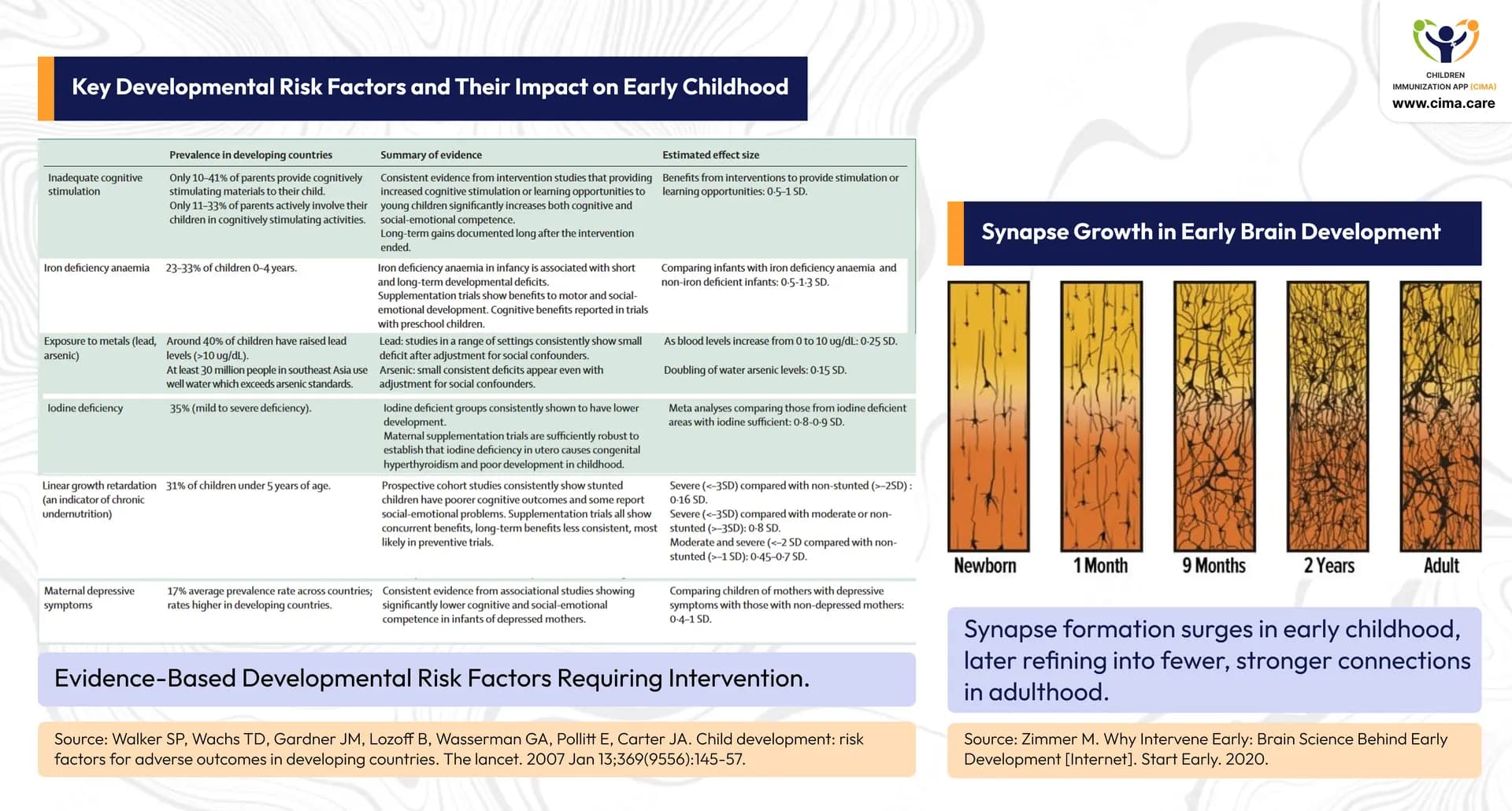
Brain development and risk factors and neural growth patterns in early childhood.
Nurturing Care: The Essential Framework
The concept of “nurturing care“ has emerged as a comprehensive framework for learning what children need during these crucial first 1,000 days of life. According to the investigations, the following five components interact synergistically to promote optimal development across physical, cognitive, social, and emotional domains:
- Good Health: Supporting Child and Caregiver Well-Being
A child's health is closely linked to their caregiver's physical and mental well-being. Key interventions include family planning, maternal and child immunization, essential newborn care, growth monitoring, disease prevention, and support for developmental challenges. Promoting health-seeking behaviors ensures both children and caregivers thrive. - Adequate Nutrition: Supporting Maternal and Child Health
Sound maternal and child nutrition is critical for healthy development. A mother's nutrition affects her own well-being and ability to breastfeed. Key interventions include exclusive six-month breastfeeding, responsive complementary feeding, micronutrient supplementation, and managing malnutrition or obesity, securing optimal growth and lifelong health. - Responsive Caregiving: Strengthening Parent-Child Bonds
Ensuring timely and appropriate responses to a child's signals makes secure connections and helps overall development. This includes eye contact, smiles, cuddles, praise, and recognizing cues like hunger, distress, or play interest. Moreover, encouraging meaningful interactions during daily routines fosters communication, trust, and emotional well-being. - Early Learning Opportunities: Enabling Growth Through Relations
Providing babies and young children with engaging interactions—whether with people, places, or objects—powers brain development and foundational learning. This includes activities that stimulate movement, sensory exploration, and language use, as well as daily routines, storytelling, reading, and playful interactions. Creating quality learning environments at home and childcare settings ensures children receive prosperous experiences shaping their cognitive and social growth. - Security and Safety: Ensuring a Stable Environment for Children
Safe and secure environments protect children from physical harm, emotional stress, and environmental risks. Key measures include birth registration, food safety, clean water and air, good hygiene, protection from abuse, safe play spaces, and social support for vulnerable families. [10]
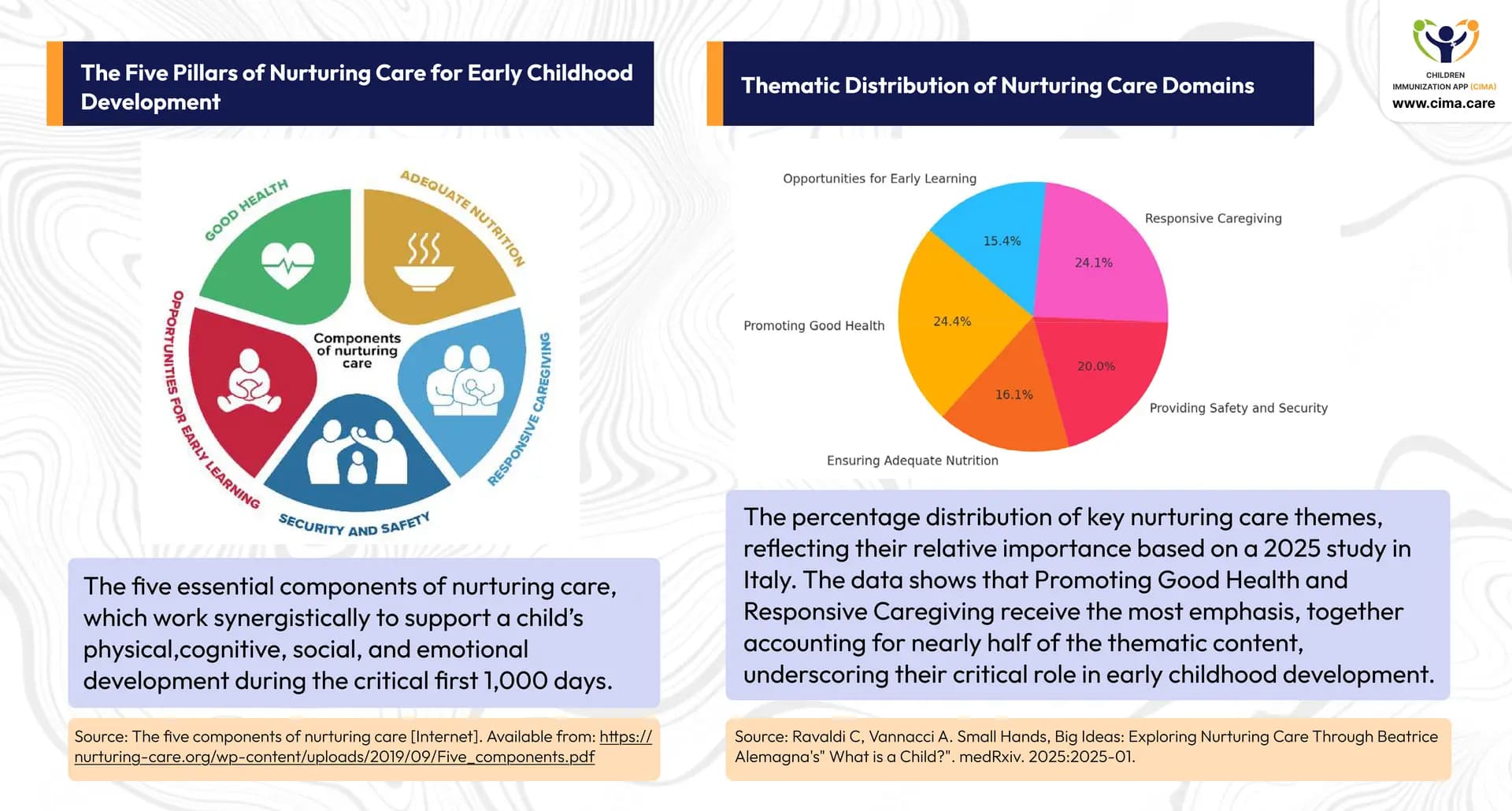
Five essential nurturing care pillars alongside their distribution data showing health and caregiving priorities.
The Mind-Body Connection in Early Development
A particularly fascinating aspect of early childhood development is the profound interconnection between mental and physical health. This relationship is bidirectional, with each aspect influencing the other, emphasizing the interconnectedness of biological systems.
Key Points:
Bidirectional Influence: Mental health affects physical health, and vice versa. For instance, stress can affect both brain development and immune function.
Responsive Caregiving: Positive caregiving reduces stress hormone levels, supporting healthy brain development and immune function.
Chronic Stress: Adverse childhood experiences can lead to inflammatory responses, affecting both physical and mental health. [11]
- Physical Activity: Research shows that physical activity has a profound impact on mental health in children, potentially reducing symptoms of anxiety and depression. Additionally, physical activities cause better performance in cardiovascular activities and muscular strength and endurance, which are associated with greater protection against mental health conditions. [12]
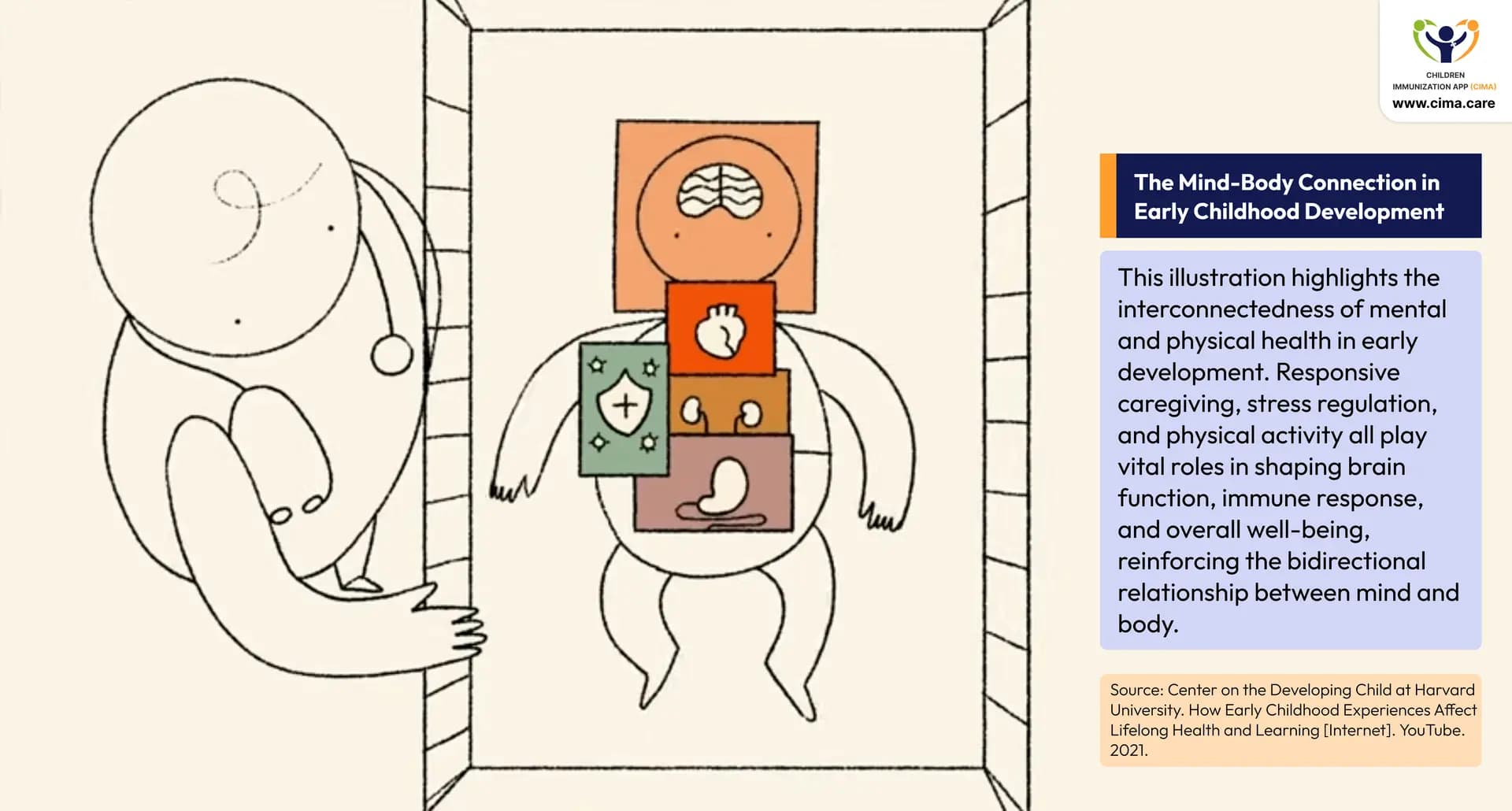
Mind-body bidirectional impact: How mental and physical systems influence each other in development.
Developmental Milestones in the First 1,000 Days of Child Development (Part 1)
Understanding typical developmental milestones helps caregivers recognize and support children's growing capabilities. During these critical days of life, children undergo remarkable transformations in multiple domains:
- Physical Development
- From reflexive movements at birth to purposeful reaching, crawling, and eventually walking.
- Development of fine motor skills that enable exploration and reaching of objects. [13]
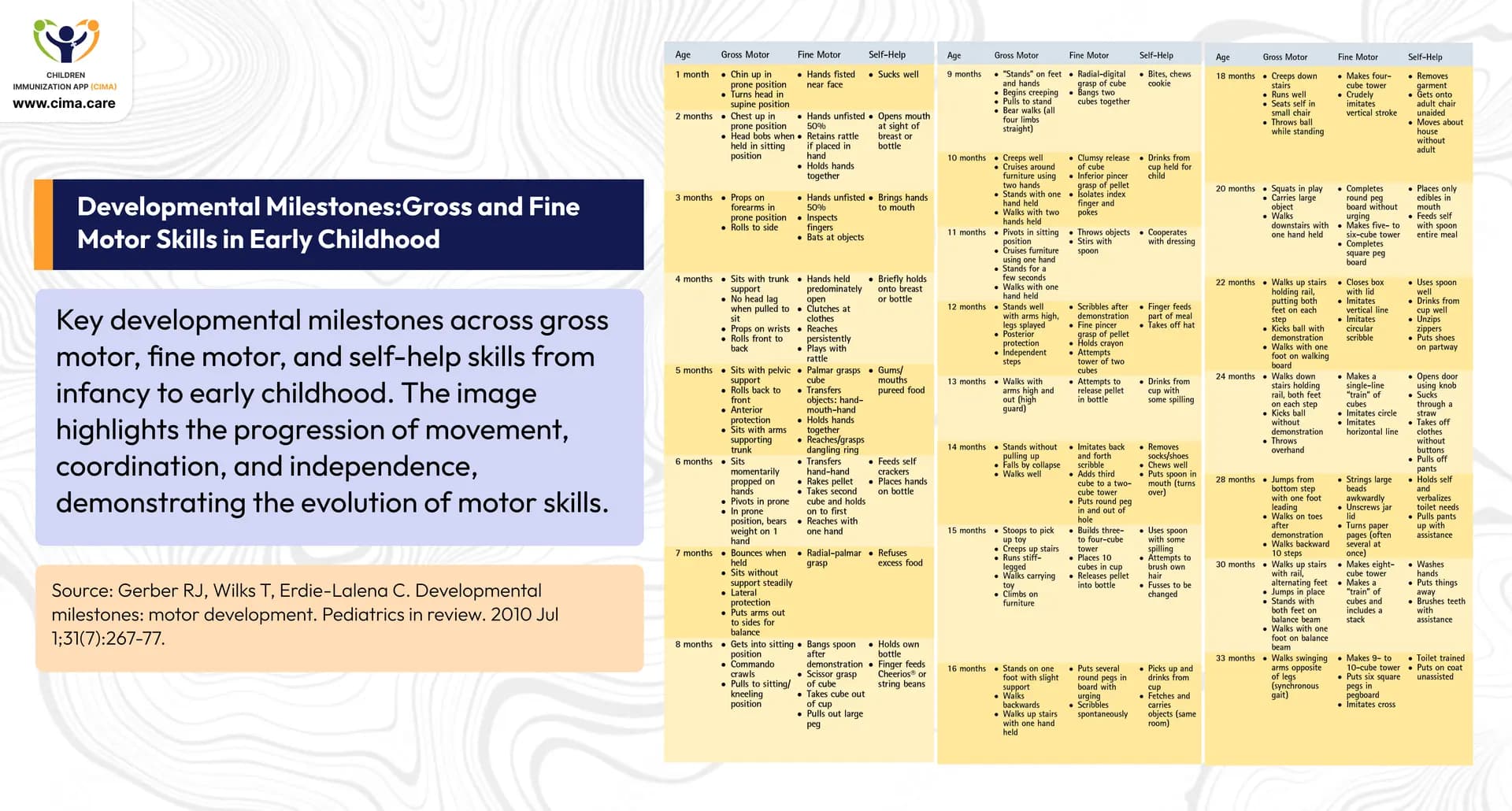
Motor milestones chart: Tracking physical skill development from birth through early childhood stages.
Developmental Milestones in the First 1,000 Days of Child Development (Part 2)
Cognitive and Language Development
- Early Language Development: Babies begin recognizing and distinguishing sounds from an early age, forming the foundation for future language skills through continuous exposure and interaction. [14]
- 4-Month-Old Language Milestones: At around 4 months, they start turning towards sounds, such as familiar voices, and make cooing sounds like “cooo“ and “ahh“ when they are content. They may also use different cries to indicate various needs, showing early signs of communication complexity. [15] By four months, babies notice individual sounds and begin to babble using native language rhythms. Encouraging these sounds by repeating them back to the baby is crucial for language development. [16]
- Communication on 4- to 7-Month-Old: As babies progress towards 7 months, they learn to take turns making sounds, which is an essential step in understanding the basics of communication through language. They may start responding to their names, as research suggests that babies can recognize the sound pattern of their own names as early as 4.5 months. [15 & 17]
- 12-Month-Old Talking: Around 12 months, children typically say their first words, such as “mama“ or “dada,“ and begin linking words to actions. [18]
- 24-Month-Old Vocabulary: By 24 months, children have a larger oral vocabulary, which predicts better academic functioning later in life. They start forming simple sentences and understanding more complex language structures. [19]
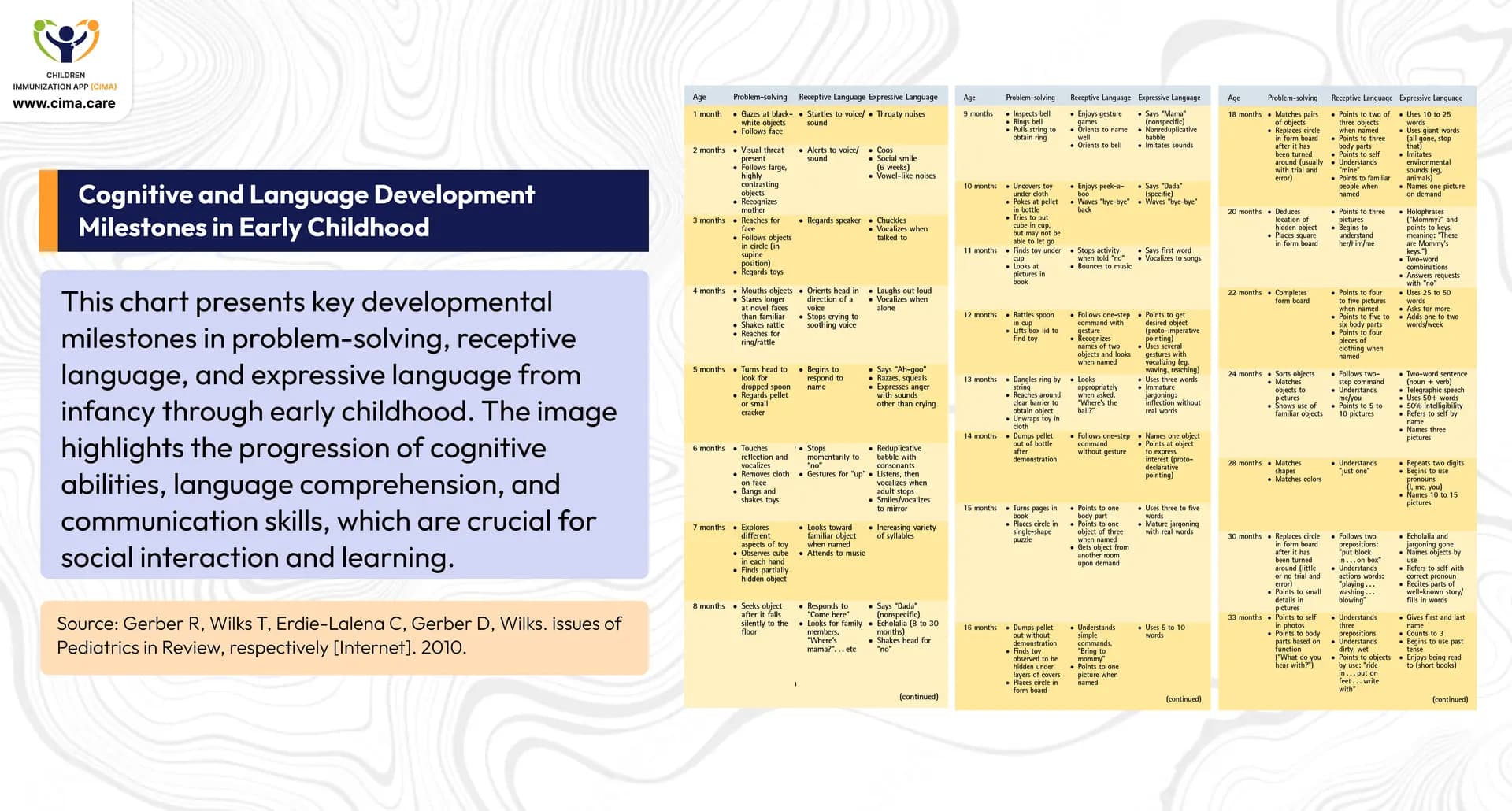
Comprehensive language milestone chart: Month-by-month cognitive and communication development.
Developmental Milestones in the First 1,000 Days of Child Development (Part 3)
Social and Emotional Development
- Early Bonds of Attachment: The formation of attachment bonds with caregivers is crucial during the first year, particularly from birth to around 12 months. Secure attachment supports emotional well-being and future relationships. Infants show no preference for their caregiver until about 6 weeks, but by 7 months, they begin to differentiate between familiar caregivers and strangers. [20]
- Development of Emotional Self-Regulation: Infants begin to develop basic emotional regulation skills from birth to 18 months, relying heavily on external regulation from caregivers. They start to learn self-soothing behaviors like sucking fingers or a pacifier. From 18 months to 3 years, toddlers develop early self-regulation skills, including focusing on tasks briefly, expressing emotions, and seeking help for strong feelings. They also begin to delay gratification and wait for something they want— a key milestone in emotional and behavioral control. [21]
- Growing Awareness of Self and Others: Children start to understand themselves and others as separate entities from birth, with significant development in self-awareness stages:
◦ Differentiation: From birth, infants differentiate themselves from their environment.
◦ Situation: By 2 months, infants position themselves in relation to another person. In one experiment, infants copied the direction of an adult's tongue movement.
◦ Identification: Around 18 months to 2 years, children begin to recognize themselves in mirrors and use language to refer to themselves. [22] - The emergence of Empathy and Prosocial Behaviors: Infants show early signs of empathy and prosocial behaviors, such as helping around 12 to 14 months. These behaviors become more pronounced in the second year of life, with toddlers sharing and cooperating with others by 18 to 24 months. [23]
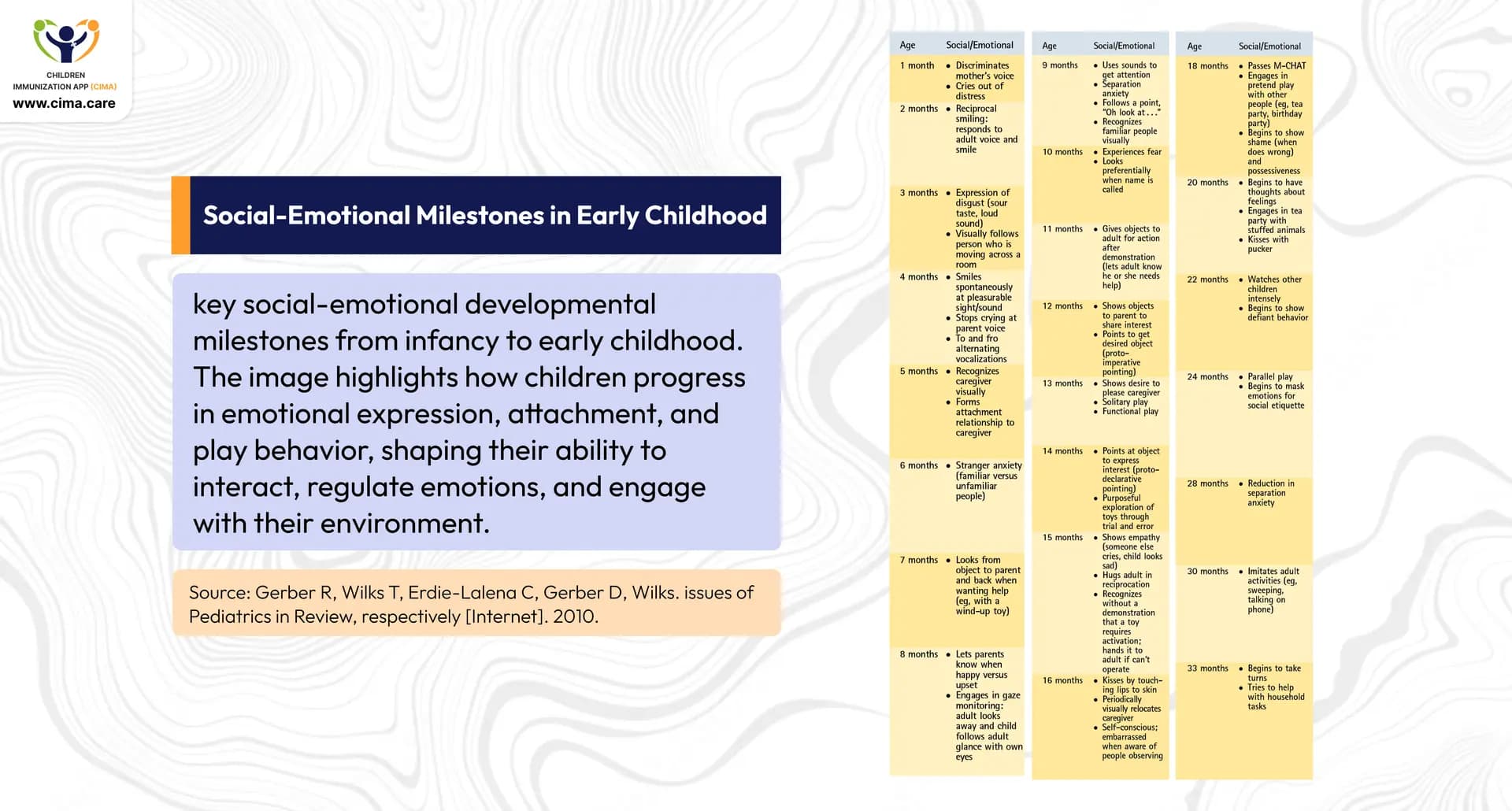
Social-emotional milestone chart: From attachment formation to empathy development in early years.
Evidence-Based Interventions
According to research findings, the effective early childhood interventions that can make a difference during the first 1,000 days include:
- Parenting education and support programs that demonstrate positive effects on children's cognitive and psychosocial development
- Center-based early learning opportunities that improve cognitive functioning and school readiness
- Integrated child health approaches that combine nutrition, responsive feeding, early stimulation, and preventive care interventions for optimal development.
Research shows that the outcomes of these interventions are often more significant for the most disadvantaged children, making them powerful tools for reducing inequality. The quality of implementation matters significantly. Systematic curricula, proper training for childcare workers and parents, and active strategies to promote caregiving behaviors all contribute to greater effectiveness. [24]
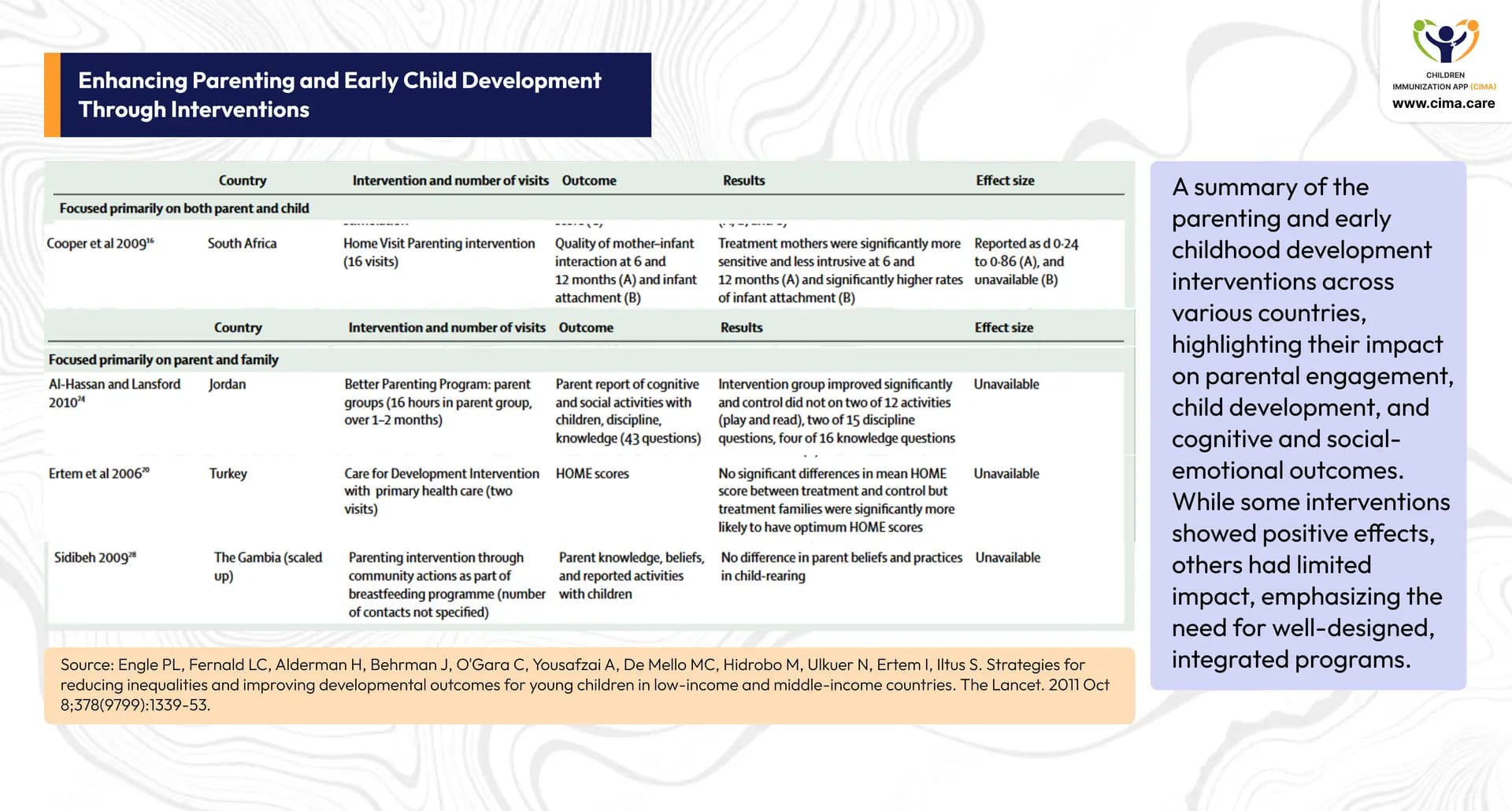
Research-backed interventions: Impact evaluation of early childhood and parenting programs globally.
The Economic Case for Investment
Investing in early childhood is not only the right thing to do but also the smart thing to do.
- Studies show that about 250 million children under 5 in low- and middle-income countries (LMICs) are at risk of not reaching their developmental potential due to poverty, malnutrition, and a lack of nurturing care. This figure represents about 43% of children under 5 in LMICs. [25 & 26]
- Risks are disproportionately higher in sub-Saharan Africa and South Asia, where developmental delays in literacy-numeracy affect up to 92% of children in some countries. [25]
- Investing in the physical, cognitive, linguistic, and socio-emotional development of young children—starting before birth and continuing through early education—lays the foundation for greater individual prosperity and national economic growth. Evidence shows that high-quality programs supporting health, nutrition, and early learning lead to better educational outcomes, higher adult wages, and increased productivity, enabling countries to compete more effectively in a rapidly evolving global economy. [26]
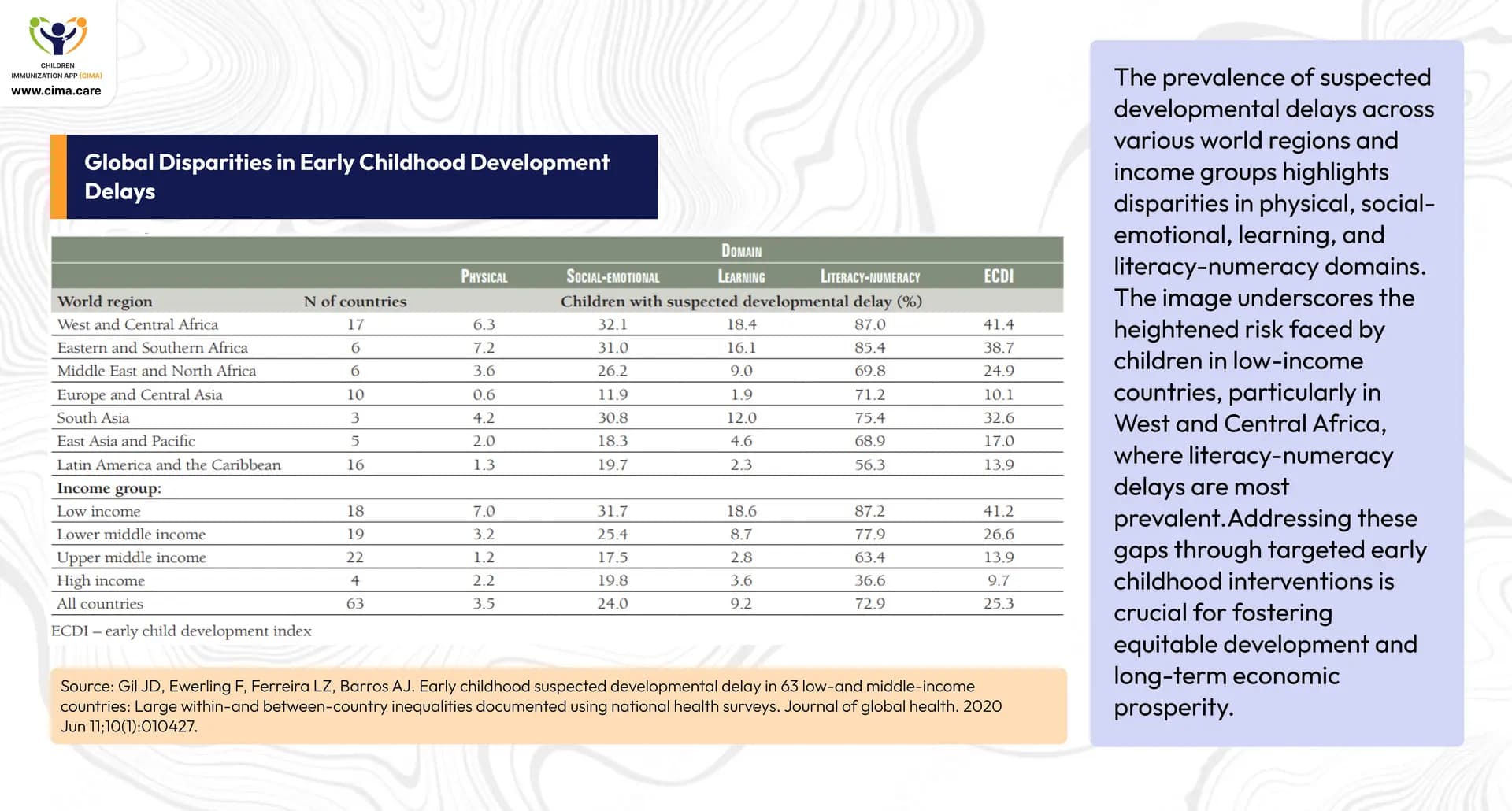
Global developmental delay data: Regional disparities revealing urgent investment needs in early childhood.
Vaccines train the body's immunity safely without triggering harmful autoimmune reactions, which happen in T1D.
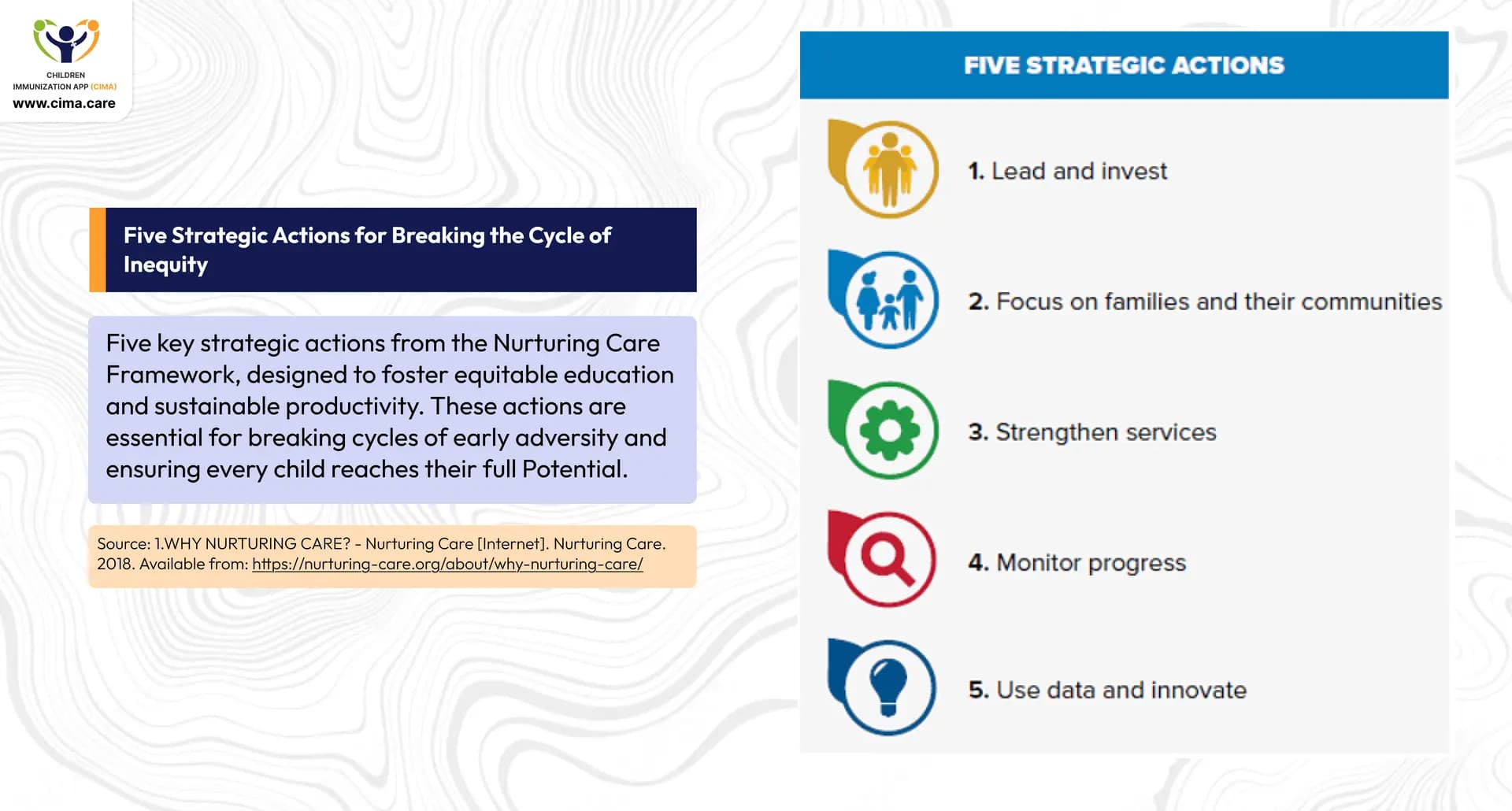
Breaking the Cycle: Equitable Education and Sustainable Productivity
- Children facing early adversity are more likely to have fewer years of schooling and lower learning outcomes. Poverty in early childhood correlates with reduced gray matter development and school readiness, perpetuating cycles of low productivity. [27]
- Actionable Strategies: Updated frameworks like the Nurturing Care Framework (WHO/UNICEF) and SDGs provide actionable strategies Committed to fostering supportive environments and delivering services for families and caregivers, backed by strong accountability measures. [28]
CIMA Care's Triple Impact: Supporting the First 1,000 Days
CIMA Care is uniquely positioned to support optimal development during the first 1,000 days through its innovative three-pronged approach:
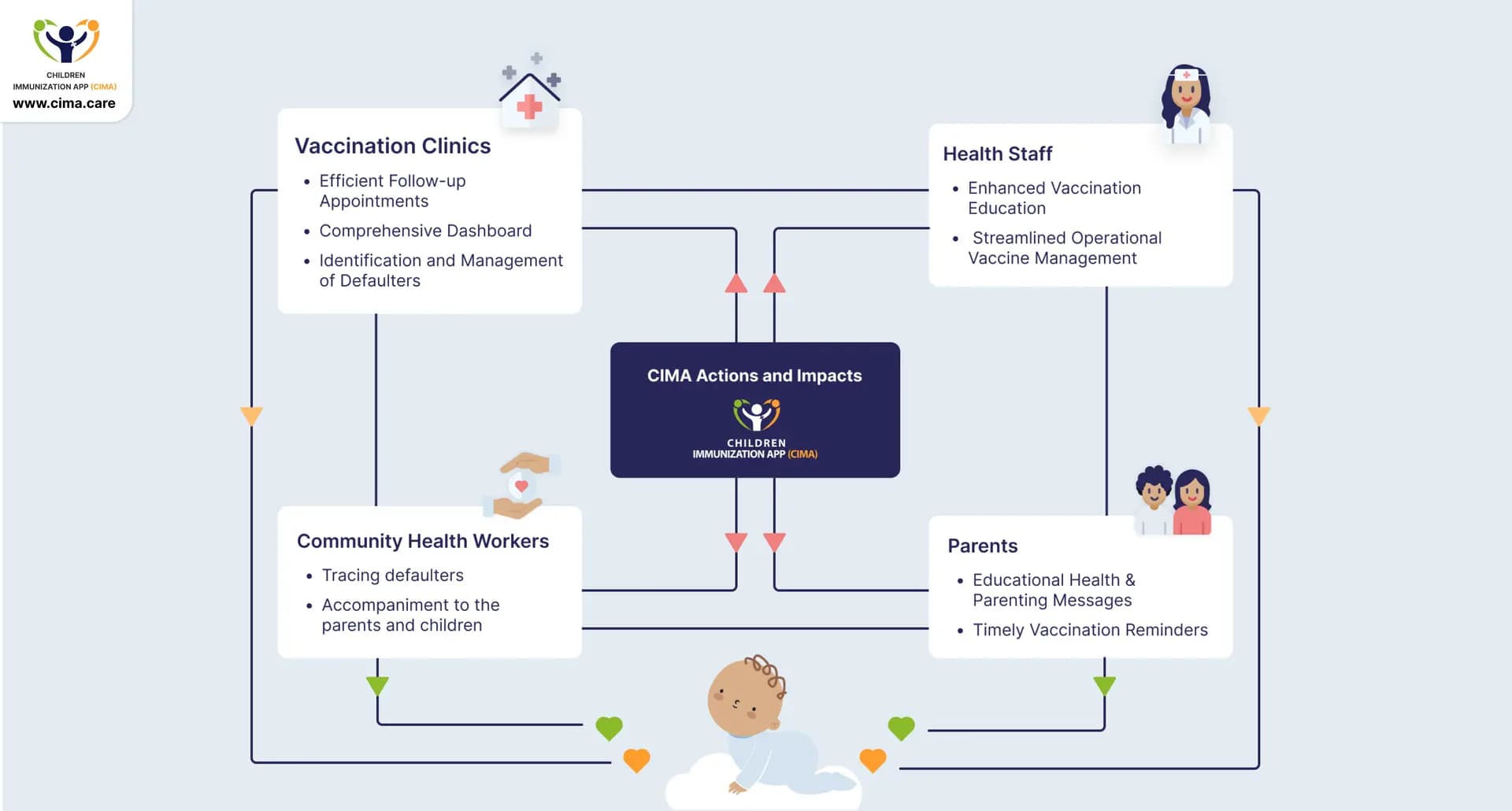
- 1. Knowledge and Reminders for Parents: CIMA's automated SMS system delivers timely, evidence-based health messages to parents arranged according to their child's developmental stage and vaccination schedule. From birth to month 18, parents receive tailored information about developmental milestones, nutrition requirements, vaccination importance, and nurturing care practices.
These messages are drawn directly from UNICEF parenting tips and UNODC parenting skills programs—internationally recognized, evidence-based frameworks validated across diverse cultural contexts. By integrating these trusted resources, CIMA Care ensures parents receive the highest-quality guidance aligned with global best practices in child development and family support. For example, at birth, parents receive guidance about the importance of vaccines like BCG and oral polio, which protect against tuberculosis, a serious lung infection, and polio, which can cause paralysis. As their child grows, messages evolve to support age-appropriate nutrition and actionable tips to nurture care and foster support for their child's optimum growth and development. These targeted messages strengthen parents' ability to provide nurturing care during the most critical developmental window, empowering them with knowledge and credible health information and combating misinformation exactly when most needed.
2. Tools for Healthcare Providers: CIMA Care empowers healthcare providers with digital tools to track children's immunization status, investigate and report on adverse events, and manage vaccine stock—enabling broader distribution with minimal wastage, promoting equitable access, and building community trust through enhanced safety monitoring.
The platform's user-friendly interface allows healthcare workers to identify children who have missed vaccinations, to monitor the vaccinated and scheduled doses, and precisely track all vaccination efforts in their clinics. The dashboard provides healthcare workers with visual analytics, interactive heatmaps, and performance metrics in real time, empowering them to make data-driven decisions efficiently. Altogether, vaccination clinics benefit from efficient follow-up appointment systems, comprehensive dashboards, and effective defaulter management tools. In settings like Cameroon, Dr. Cornelius Chebo (EPI Coordinator, Northwest Region) reports that CIMA's implementation has significantly improved vaccination coverage rates in the Azire Health Area of the Bamenda Health District. This citation aligns with documented results showing a 19% improvement in vaccination uptake in the Zaatari Refugee Camp in Jordan and a 23% improvement in the Bamenda Region, Cameroon. [29 & 30]
3. Community Resilience and Support: CIMA Care strengthens community health systems by creating a comprehensive ecosystem that connects parents, healthcare providers, community health workers, and institutions. This integrated approach ensures every child receives complete vaccination protection through multiple support channels.
Community health workers play a vital role in this ecosystem by actively tracing defaulters and providing direct accompaniment to parents and children. This personalized support bridges gaps between formal healthcare settings and communities, ensuring vulnerable children are not missed. CIMA's digital solution maintains continuity of care when traditional systems are strained, with proven success in improving vaccination timeliness and completion rates.
The CIMA Health Academy further enhances community resilience by providing healthcare professionals with a comprehensive education on vaccination science and other topics like child development, integrating vaccination with additional health-enhancing attempts like nutrition, and developing effective communication strategies. This professional development helps build a workforce that understands the critical importance of the first 1,000 days and has the tools to support families effectively. The upcoming CIMA Health Academy course on child development during the first 1,000 days of life, planned for later in 2025, will further enhance practitioners' ability to provide comprehensive support during this crucial developmental period.
Rotavirus vaccination shows about a 13% reduced T1D risk in children, with sustained protection over time.
Conclusion: Building a Stronger Future
The scientific evidence is clear: the first 1,000 days represent an unparalleled opportunity to shape healthier, more capable future generations. By investing in nurturing care during this critical period, we can help children not only survive but thrive.
Through different channels, CIMA Care helps ensure every child receives the essential building blocks for optimal development during those crucial first 1,000 days.
As we continue to deepen our understanding of early childhood development, CIMA Care remains committed to translating the latest science into practical solutions that support parents, empower healthcare providers, and strengthen communities. Together, we can help every child reach their full developmental potential, creating a foundation for lifelong health, learning, and well-being.
Visit www.cima.care to learn more about how our digital solutions support nurturing care during the crucial first 1,000 days.
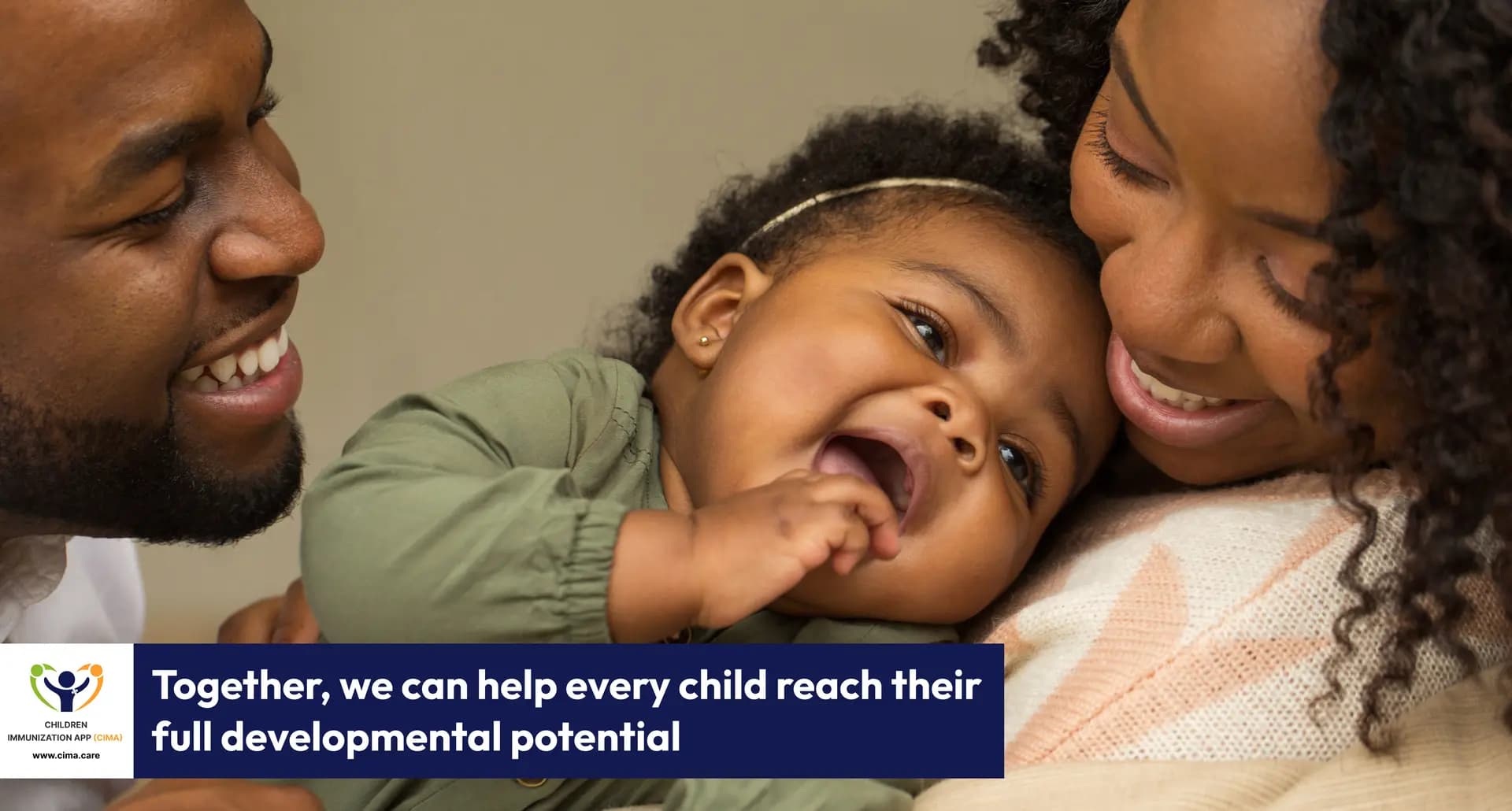
Building brighter futures: CIMA Care's commitment to optimal development in the first 1,000 days of life.
Image References
- 1- Adobe Stock. Joyful smiling African girl in yellow dress running on a bright colorful playground, exploring with a big smile on face (childhood concept) [Internet]. [cited 2025 Aug 19]. Available from: https://stock.adobe.com/sg/images/joyful-smiling-african-girl-in-yellow-dress-running-on-a-bright-colorful-playground-exploring-with-a-big-smile-on-face-childhood-concept/1055336881
- 2- Adobe Stock. Little African American baby boy playing in the grass [Internet]. [cited 2025 Aug 19]. Available from: https://stock.adobe.com/sg/images/little-african-american-baby-boy-playing-in-the-grass/42110124
- 3- Adobe Stock. Father and baby daughter laughing and playing together with colorful toys at home [Internet]. [cited 2025 Aug 19]. Available from: https://stock.adobe.com/sg/images/father-and-baby-daughter-laughing-and-playing-together-with-colorful-toys-at-home/1055197179
- 4- Adobe Stock. Happy African American family with their baby [Internet]. [cited 2025 Aug 19]. Available from: https://stock.adobe.com/sg/images/happy-african-american-family-with-their-baby/256574148
Blog Resources
- 1- Thousand Days. Why 1,000 Days - 1,000 Days [Internet]. 1,000 Days. 2018. Available from: Why 1,000 Days?
- 2- American Academy of Pediatrics. Early Brain Development [Internet]. Home | AAP. 2022. Available from: https://www.aap.org/en/patient-care/early-childhood/early-childhood-health-and-development/early-brain-development/
- 3- Lake A. The first 1,000 days of a child’s life are the most important to their development - and our economic success [Internet]. World Economic Forum. 2017. Available from: The first 1,000 days of a child's life are the most important to their development - and our economic success
- 4- Gonçalves J de L, Arnez MFM, Paula-Silva FWG de. How the First 1,000 Days of Life Can Shape a Child’s Future Health? Frontiers for Young Minds. 2024 Oct 1;12.
- 5- First Things First. The First Five Years [Internet]. files.firstthingsfirst.org. 2018. Available from: The First Five Years
- 6- Zimmer M. Why Intervene Early: Brain Science Behind Early Development [Internet]. Start Early. 2020. Available from: Why Intervene Early: Brain Science Behind Early Development
- 7- Scott LS, Brito NH. Supporting healthy brain and behavioral development during infancy. Policy Insights from the Behavioral and Brain Sciences. 2022 Mar;9(1):129-36.
- 8- Center on the developing child at Harvard University. Experiences Build Brain Architecture [Internet]. YouTube. 2011. Available from: Experiences Build Brain Architecture
- 9- Walker SP, Wachs TD, Gardner JM, Lozoff B, Wasserman GA, Pollitt E, Carter JA. Child development: risk factors for adverse outcomes in developing countries. The lancet. 2007 Jan 13;369(9556):145-57.
- 10- The five components of nurturing care [Internet]. Available from: https://nurturing-care.org/wp-content/uploads/2019/09/Five_components.pdf
- 11- Connecting the Brain to the Rest of the Body: Early Childhood Development and Lifelong Health Are Deeply Intertwined - Center on the Developing Child at Harvard University [Internet]. Center on the Developing Child at Harvard University. 2024. Available from: Connecting the Brain to the Rest of the Body: Early Childhood Development and Lifelong Health Are Deeply Intertwined - Center on the Developing Child at Harvard University
- 12- Richtel M. Physical Fitness Linked to Better Mental Health in Young People. The New York Times [Internet]. 2024 Apr 29; Available from: Physical Fitness Linked to Better Mental Health in Young People
- 13- Gerber RJ, Wilks T, Erdie-Lalena C. Developmental milestones: motor development. Pediatrics in review. 2010 Jul 1;31(7):267-77.
- 14- in. The First 1000 Days By Oliiki App [Internet]. The First 1000 Days By Oliiki App. 2023 [cited 2025 Mar 12]. Available from: From Babbling to Brilliance: Language Development and Acquisition in the First 1000 Days —
- 15- Shinn D. 4 month old baby milestones: Development, growth, speech, language, and more [Internet]. Sleep training | Sleep regression | Sleep schedules | Huckleberry. 2024 [cited 2025 Mar 12]. Available from: 4 month old baby milestones: Development, growth, speech, language, and more
- 16- 1.Language Development: 4 to 7 Months [Internet]. HealthyChildren.org - From the American Academy of Pediatrics. Available from: Language Development: 4 to 7 Months
- 17- Desfosse R. 4-month-old milestones: Language development from 4 to 7 months [Internet]. Care.com: Find Child Care, Babysitters, Senior Care, Pet Care and Housekeeping Resources. 2022 [cited 2025 Mar 12]. Available from: 4-month-old milestones: Language development from 4 to 7 months
- 18- What’s “Normal” Talking for 12-Month-Old? [Internet]. Happiest Baby. 2021. Available from: What’s “Normal” Talking for 12-Month-Old?
- 19- Morgan PL, Farkas G, Hillemeier MM, Hammer CS, Maczuga S. 24‐month‐old children with larger oral vocabularies display greater academic and behavioral functioning at kindergarten entry. Child development. 2015 Sep;86(5):1351-70.
- 20- 1.Pittman D. What Is Secure Attachment and How Does It Develop? [Internet]. Talkspace. 2020. Available from: What Is Secure Attachment and How Does It Develop? - Talkspace
- 21- Procare. How to Promote Self-regulation in Child Development [Internet]. Procare Solutions. 2021. Available from: How to Promote Self-Regulation in Child Development | Procare
- 22- 15.8: Development of Sense of Self [Internet]. Social Sci LibreTexts. 2022. Available from: 15.8: Development of Sense of Self
- 23- Brownell CA. Early development of prosocial behavior: Current perspectives. Infancy. 2013 Jan;18(1):1-9.
- 24- Engle PL, Fernald LC, Alderman H, Behrman J, O'Gara C, Yousafzai A, De Mello MC, Hidrobo M, Ulkuer N, Ertem I, Iltus S. Strategies for reducing inequalities and improving developmental outcomes for young children in low-income and middle-income countries. The Lancet. 2011 Oct 8;378(9799):1339-53.
- 25- Gil JD, Ewerling F, Ferreira LZ, Barros AJ. Early childhood suspected developmental delay in 63 low-and middle-income countries: Large within-and between-country inequalities documented using national health surveys. Journal of global health. 2020 Jun 11;10(1):010427.
- 26- World Bank. Early Childhood Development [Internet]. World Bank. 2017. Available from: Early Childhood Development
- 27- Maag E, Lou C, Casas M, Daly H, Garriga G, Hunter L. The Return on Investing in Children Helping Children Thrive [Internet]. 2023. Available from: https://www.urban.org/sites/default/files/2023-09/The%20Return%20on%20Investing%20in%20Children.pdf
- 28- World Bank. Early Childhood Development [Internet]. World Bank. 2017. Available from: Early Childhood Development
- 29- Yayah Emerencia Ngah , George Ikomey Mondinde , Rasa Nikooifard , Cornelius Chebo , Shalom Tchokfe Ndoula , Ujjwal Neogi , Claudia Hanson , Tobias Alfven , Eresso Aga , Wadih Mallouf , Ziad El-Khatib; Enhancing vaccination uptake and parenting education through automated SMS service: A non-RCT pilot study in Bamenda, Cameroon; Mediterranean Life Sciences Union Annual Meeting (MedLIFE-24), Istanbul, Türkiye, December 2024
- 30- El-Halabi S, Khader YS, Khdeir MA, Hanson C, Alfvén T, El-Khatib Z. Children immunization app (CIMA): A non-randomized controlled trial among Syrian refugees in Zaatari camp, Jordan. Journal of Prevention. 2023 Apr;44(2):239-52.
Enjoyed this article?
Share it with your friends on LinkedIn: The First 1,000 Days: How Early Childhood Care Shapes a Lifetime of Health and Development 
Follow us on LinkedIn for more updates and insights: Cima Care GmbH