
CPD in Vaccination: Empowering Healthcare Professionals to Close the Global Immunization Knowledge Gap |
juin 11, 2026 . 5 Minutes read
Closing the Knowledge Gap: How Continuous Professional Development Powers Stronger Vaccine Advocacy
Vaccines rank among the most extensively tested and effective public health interventions ever developed. Yet globally, vaccination rates are stalling and, in several regions, declining. Understanding this paradox requires a closer look at the dimensions that are often underexplored: the depth of vaccination knowledge and the confidence in vaccine communication among healthcare professionals who recommend, administer, and advocate for these interventions. Addressing that gap is precisely where Continuous Professional Development (CPD) plays a decisive and often underestimated role.
A Widening Global Gap — The Numbers That Cannot Be Ignored
In July 2025, WHO and UNICEF released their most comprehensive global immunization data to date. The findings were striking. In 2024, approximately 14.3 million infants worldwide received no vaccines at all — the so-called zero-dose children. Over 30 million children remained under-protected against measles, well below the 95% coverage threshold needed in every community to prevent outbreaks. The number of countries experiencing large or disruptive measles outbreaks nearly doubled in just two years, rising from 33 in 2022 to 60 in 2024. [1]
These figures are not solely the result of supply failures or geographic barriers. WHO and UNICEF explicitly cite rising vaccine misinformation and reduced professional confidence in vaccine communication as contributing factors — placing the question of healthcare professional education at the very center of the immunization challenge.
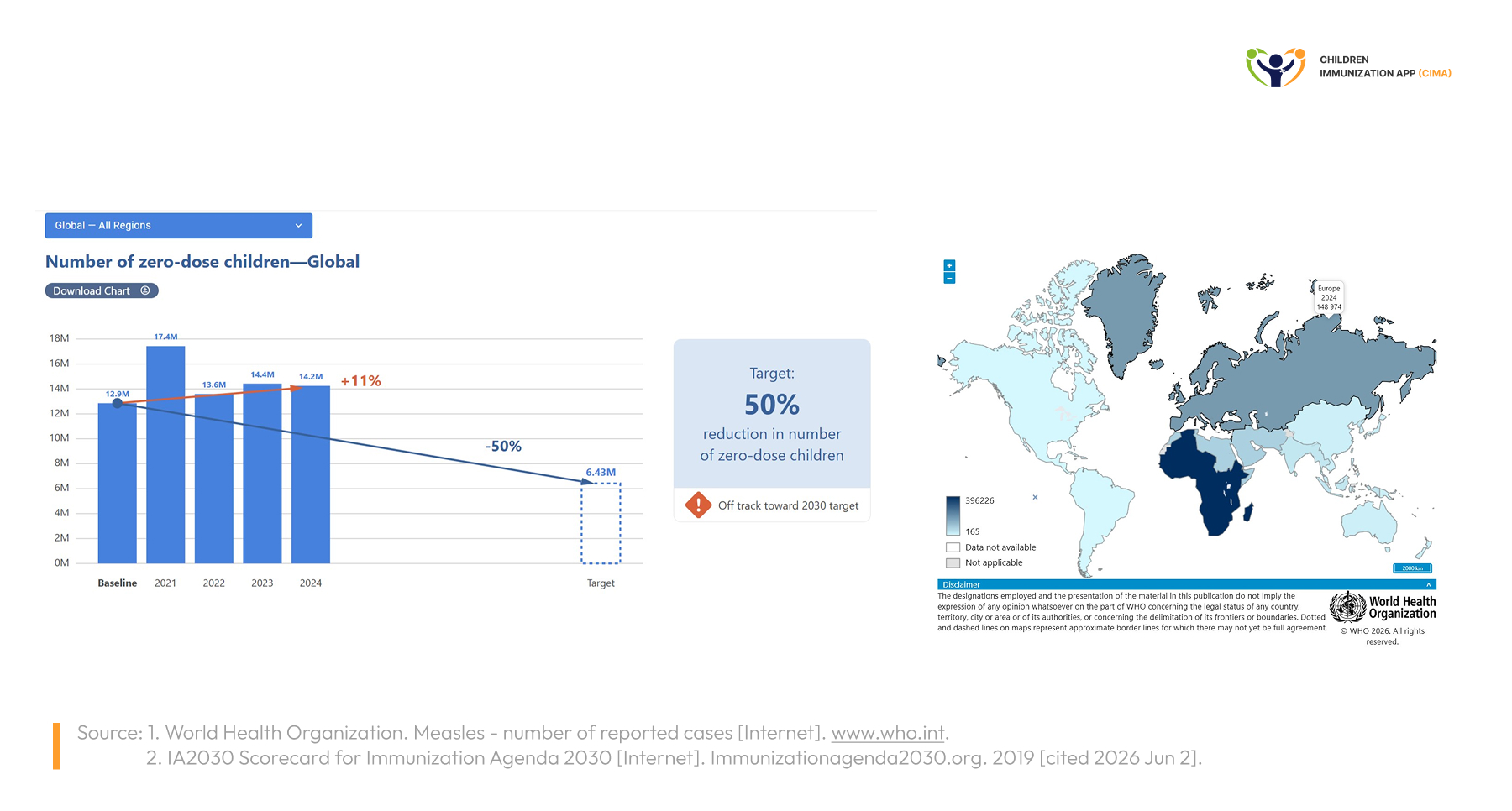
Global immunization crisis, 2024: Increased number of zero-dose infants and measles outbreaks underscore the urgency of sustained education in the field.
When Healthcare Providers Themselves Are Uncertain
The vaccination challenge is not confined to patient hesitancy. A 2025 systematic literature review. analyzing 221 peer-reviewed studies, found that vaccine hesitancy among healthcare professionals is a documented and multifaceted phenomenon. Key barriers include gaps in scientific knowledge, personal beliefs, inadequate communication skills, and organizational constraints. The review concluded that targeted educational and organizational interventions are essential to improve healthcare workers' knowledge, attitudes, and immunization practices. [2]
Complementary research has revealed that many healthcare providers report feeling unprepared or uncomfortable when advising vaccine-hesitant patients, largely due to insufficient training. A European Delphi consensus process involving 112 experts reached a clear conclusion: structured professional development is not optional — it is foundational to effective vaccine advocacy. [3]
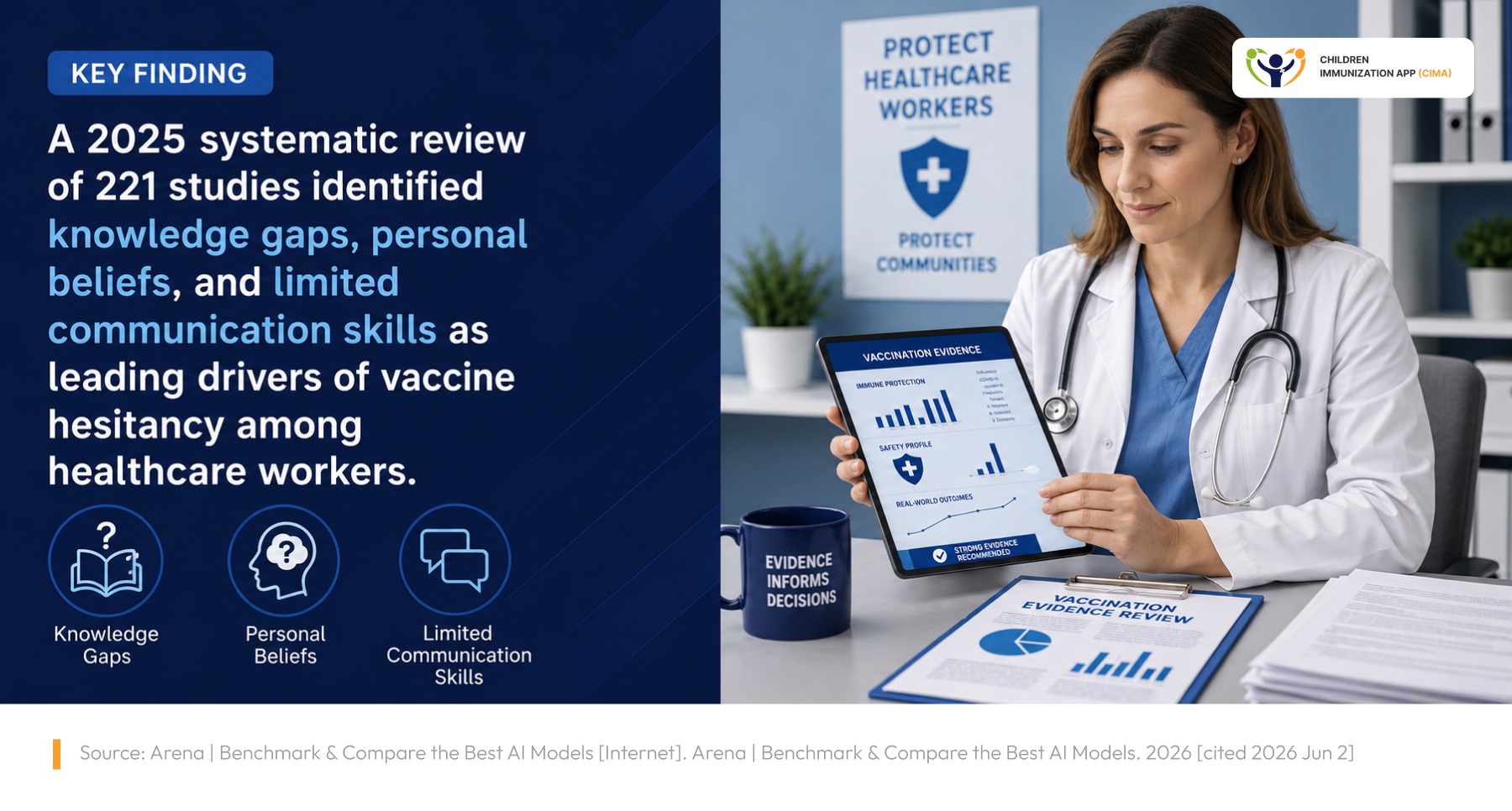
Studies identified the leading drivers of vaccine hesitancy among healthcare workers.
Deepening Clinical Knowledge Through Structured Education
CPD broadens healthcare providers' awareness of vaccine safety and efficacy, as well as the scientific principles underlying immunization programs. Structured professional education equips clinicians with a robust, evidence-based foundation from which to accurately counsel patients, effectively counter vaccine misinformation, stay current with evolving immunization schedules and clinical guidance, recognize and manage adverse events following immunization (AEFI), address special populations and contraindication considerations, and respond competently to outbreak scenarios. [4&5]
Beyond clinical knowledge, CPD incorporates training in evidence-based communication. Techniques such as motivational interviewing and role-playing are particularly well-supported in the literature: they prepare professionals to engage constructively with patients expressing reluctance or skepticism toward vaccines, building the conversational confidence that scientific knowledge alone cannot provide. [6]

CPD-delivered communication techniques are shown to meaningfully increase healthcare professionals' confidence in vaccine conversations.
The Art of the Vaccine Conversation: Empathy, Trust, and Communication
Effective vaccine advocacy goes well beyond information delivery. CPD programs emphasize tailoring communication to each patient's individual needs and building trust-based clinical relationships. Both are consistently identified in research as essential to productive vaccine conversations. A healthcare professional who actively listens, realizes patient concerns, and responds with empathy and precision is demonstrably more effective at supporting vaccine acceptance than one who delivers standardized confirmed summaries. [5&6]
CPD also equips providers to manage their own emotional responses during difficult consultations, a frequently overlooked dimension of clinical communication. A professional who approaches a doubtful patient calmly rather than defensively is far better positioned to maintain an effective, trust-preserving dialogue. [6]

Empathy and active listening trained through CPD are among the strongest predictors of patient vaccine acceptance.
Context Matters — Tailoring CPD to Local and Cultural Realities
Vaccine hesitancy does not present uniformly. Its drivers differ substantially across communities, cultures, socioeconomic backgrounds, and the specific vaccine under discussion. Effective CPD, therefore, should engage professionals in multidisciplinary, context-specific approaches, designed to account for local cultural, social, and economic factors that shape patient attitudes and decision-making. [6]
A proficient healthcare worker is a well-trained clinician who identifies the specific concerns most relevant to their patient population and responds with precision, cultural competence, and evidence from the most recent and reliable in the field findings.
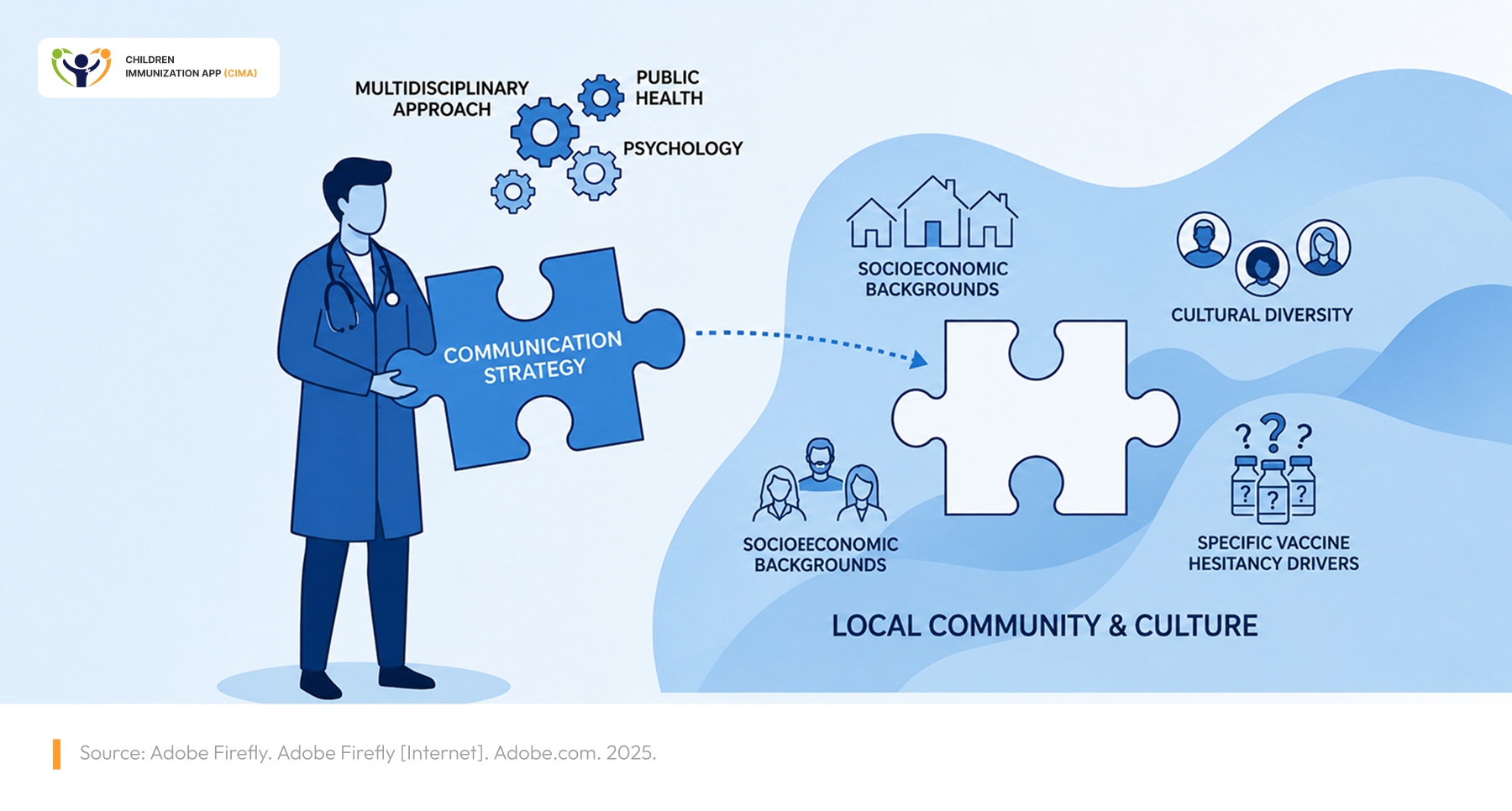
Multidisciplinary communication strategy tailored to local socioeconomic and cultural factors.
Strengthening the Systems Behind Evidence-Based Vaccination
While CPD strengthens individual professional competence, its full impact is realized within healthcare systems developed to support evidence-based vaccination practice. Several system-level components are particularly critical:
- Strengthening primary healthcare — ensuring that routine vaccination services, general check-ups, and maternal and child health programs are accessible to all provides the delivery infrastructure through which professional knowledge reaches patients who need it most.
- Enhancing health information systems — robust data collection and analysis enable more targeted clinical decision-making and improves monitoring of immunization trends. Evidence-informed practice depends on access to reliable, current data. [7&8]
- Promoting community health education — equipping communities with accurate, accessible vaccine information empowers individuals to make informed health decisions, particularly in settings where health literacy is limited, and misinformation circulates widely. [9]
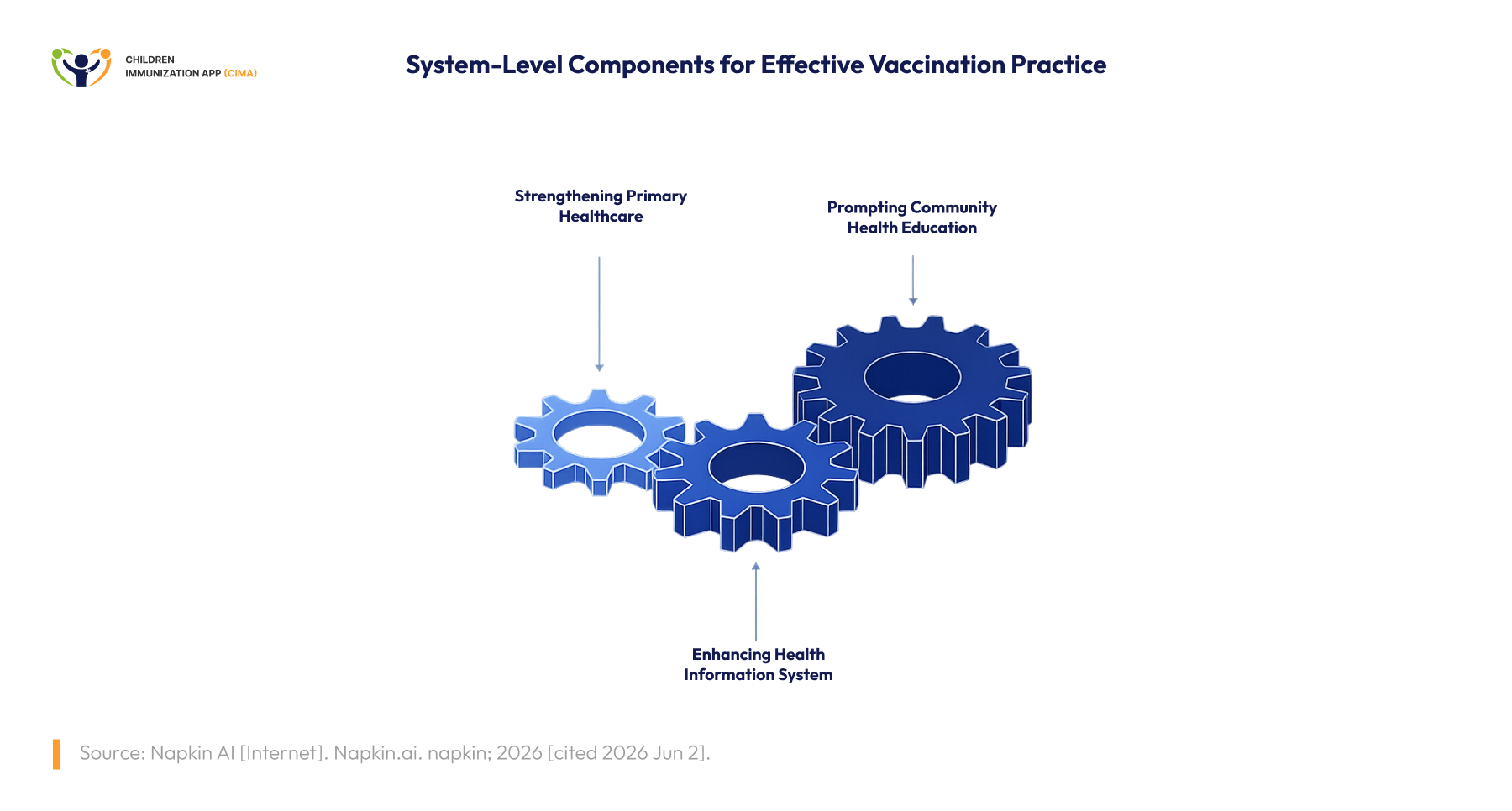
Three interlocking system-level components, strengthening primary healthcare, enhancing health information systems, and promoting community health education.
CPD in Practice — What Recent Research Demonstrates
The available evidence consistently points in one direction: investing in healthcare professionals' ongoing education produces measurable improvements in patient care outcomes, including increased vaccine uptake. [6]
A 2025 retrospective cohort study published in BMC Medical Education examined outcomes among 538 healthcare professionals who participated in 48 CPD sessions delivered between 2023 and 2024. Mean knowledge scores improved by between 38 and 67 percentage points.
Over 96% of participants' self-reported improved professional competence, and qualitative data revealed active plans to implement new clinical strategies. [10]
These findings confirm that well-designed CPD does not simply update theoretical knowledge; it translates into practical changes in how healthcare professionals' practice.
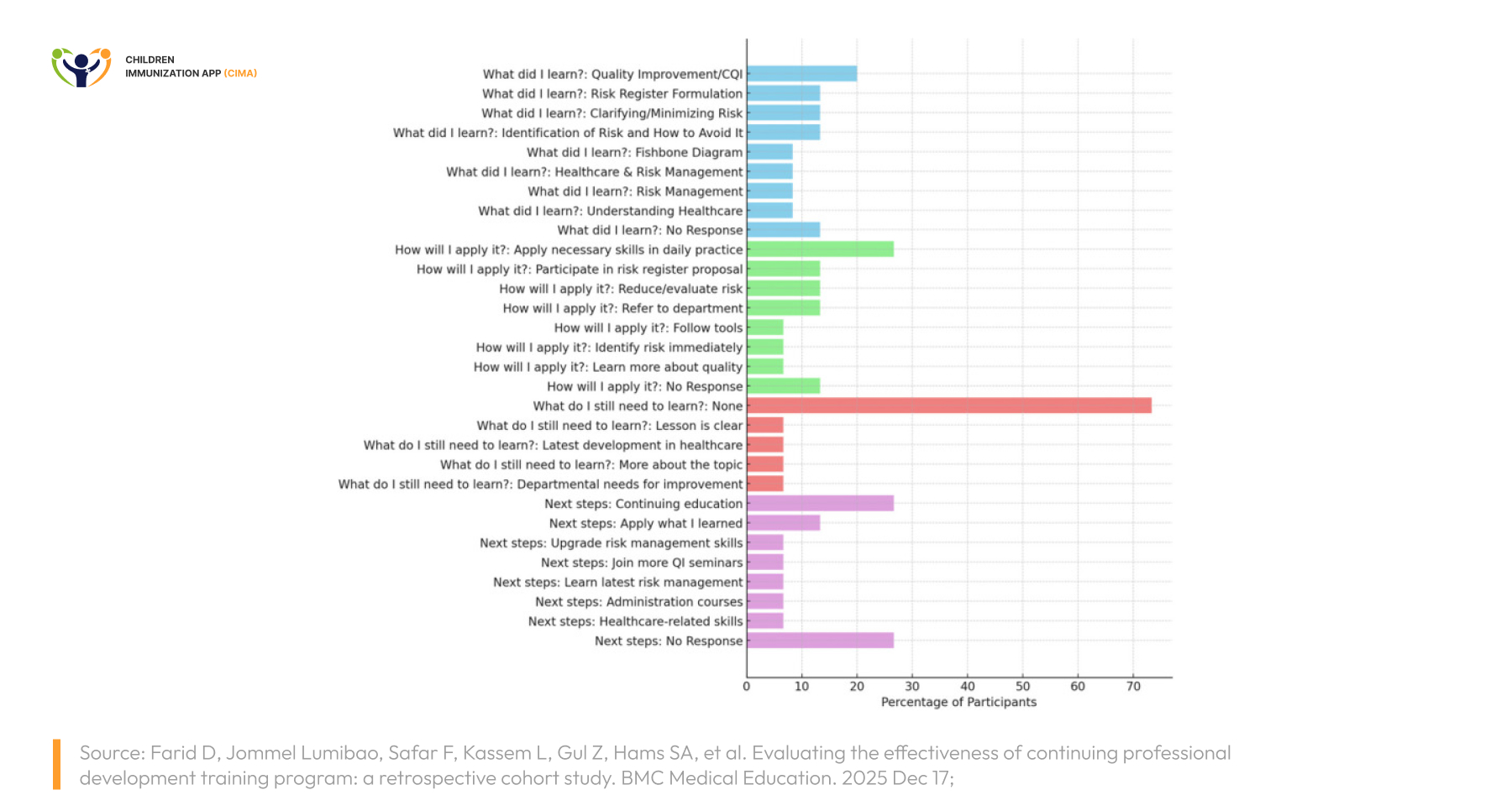
CPD participants report new skills, clear learning needs, and concrete plans to change practice.
The Digital Frontier — Online Learning and the Future of CPD in Vaccination
A growing body of evidence supports online and blended learning as highly effective formats for healthcare CPD, offering significant advantages in accessibility, flexibility, and scalability — particularly for professionals in settings where in-person training is infrequent or logistically difficult. A 2024 systematic review published in Human Resources for Health found that asynchronous, synchronous, blended, and self‑learning e‑learning methodologies are all effective approaches to continuous professional development for healthcare professionals. The review also identified workload and other competing demands as key barriers, underscoring the need for CPD formats that fit around clinicians' real‑world practice constraints. [11]
Institutional data from the University Teaching Hospital of Kigali showed that 82.1% of healthcare professionals preferred online platforms for accessing CPD courses, indicating a strong willingness to use e‑learning for professional development. [12]
For vaccination-specific CPD, digital platforms offer an additional advantage: they can deliver scenario-based simulations, real-world case studies, and communication training modules at scale, reaching professionals across diverse geographic and resource contexts simultaneously at their own pace and according to their personal schedule.
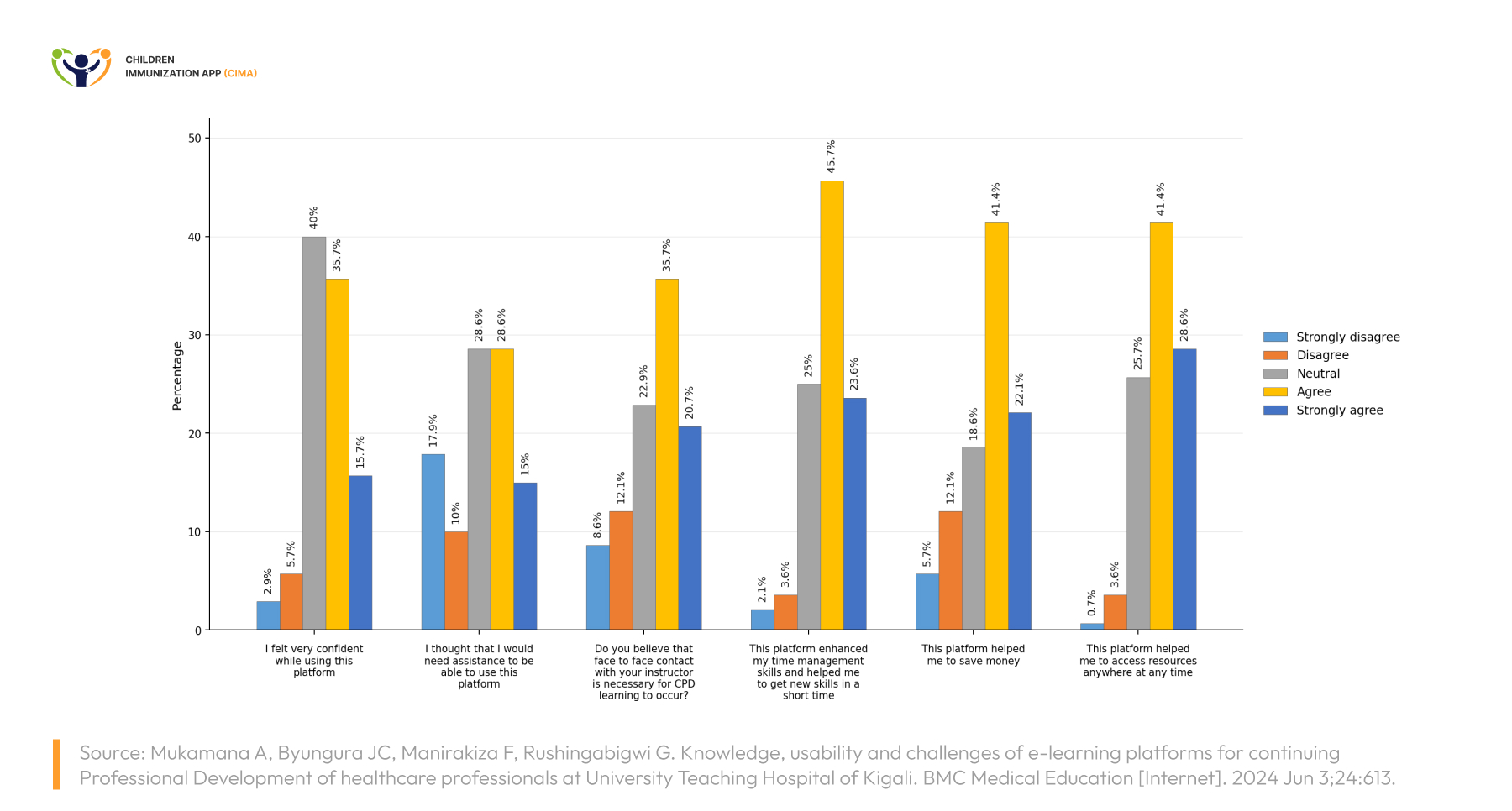
Online CPD preferences and satisfaction among healthcare staff at the University Teaching Hospital of Kigali, Rwanda, highlighting strong support for digital learning.
CIMA Health Academy — Addressing the Vaccination Knowledge Gap
The evidence reviewed throughout this article converges on one conclusion: healthcare professionals require sustained, accessible, and rigorously evidence-based CPD in vaccination — and the communities they serve are directly protected when that need is met. CIMA Health Academy was purpose-built to answer that call.
As a certified member of the CPD-UK Certification Service (Membership No. 19938), CIMA Health Academy operates as an online professional education platform advancing global standards in vaccination practice and public health. With learners from 77+ countries and over 4,000 healthcare professionals enrolled, the platform delivers more than 184 hours of evidence-based content across 31 specialized modules aligned with WHO, UNICEF, and GAVI frameworks. The Academy's curriculum is directly responsive to the knowledge gaps, communication deficits, and system-level needs described throughout this article:
- Course 1 — Vaccination Programs: WHO immunization schedules, cold chain, supply management, EPI coordination frameworks — CPD-UK Cert #59808
- Course 2 — Global Immunization Recovery: WHO Big Catch-Up Initiative, zero-dose children, post-pandemic coverage restoration — CPD-UK Cert #66251.
- Course 3 — Nutrition-Immunization Intervention Synergy: Integration of nutrition and immunization services for maternal-child health outcomes — CPD-UK Cert #67872.
- Course 4 — Using ChatGPT in Healthcare and Vaccination: Evidence-based AI integration in clinical practice, digital health innovation, DHIS2 ecosystem — CPD-UK Cert #73414.
- Course 5 — Adverse Events Following Immunization (AEFI): Causality assessment, pharmacovigilance, safety surveillance, crisis communication.
- Course 6 — The First 1000 Days of Child Development: Nutritional science, developmental milestones, early childhood intervention, parent education.
- Course 7 — Empowering Community Health Champions: CHW role design, immunization outreach, last-mile delivery, defaulter follow-up, community engagement.
- Course 8— HPV Vaccination Towards Cervical Cancer Elimination: HPV virology, vaccine science, program delivery, hesitancy communication, prevention continuum integration.
All courses are delivered through an advanced online learning platform with interactive content, real-time progress tracking, mobile accessibility across all devices, and instant CPD-certified digital credentials — making high-quality vaccination education accessible to professionals regardless of geography or schedule.
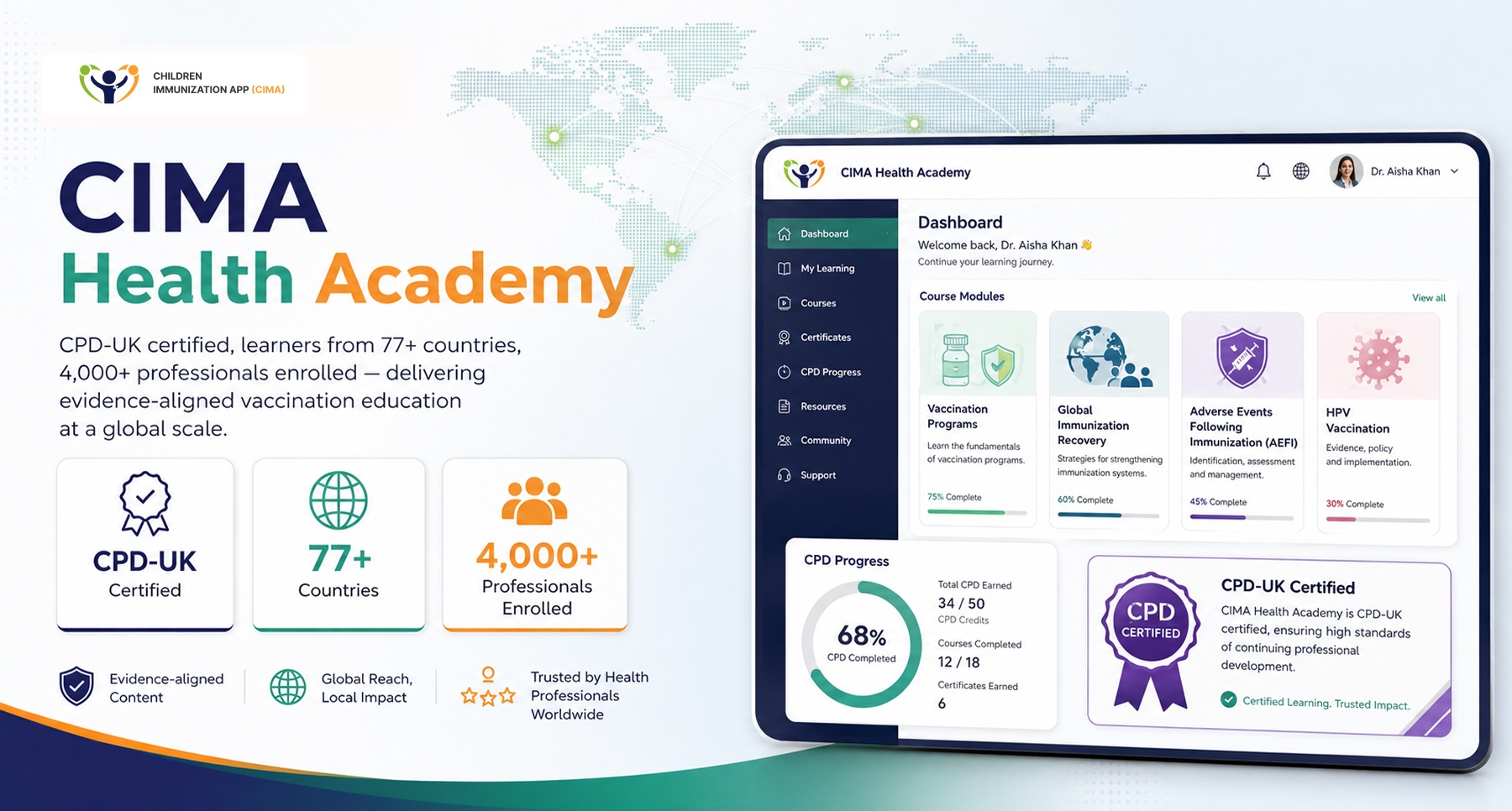
CIMA Health Academy: CPD-UK certified, learners from 77+ countries, 4,000+ professionals enrolled — delivering evidence-aligned vaccination education at a global scale.
Take the Next Step in Evidence-Based Vaccination Practice
Explore our full course catalog and join a growing international community of healthcare professionals committed to evidence-based vaccination practice:
https://www.cima.care/health-academy
Stay Informed. Stay Connected.
Follow CIMA Care's WhatsApp Channel for the latest evidence-based updates in vaccination and public health: https://whatsapp.com/channel/0029Vb6dInqKQuJGnU9U3v17
Questions or collaboration inquiries? Reach us at: support@cima.care
Blog Resources
- 1- World. Global childhood vaccination coverage holds steady, yet over 14 million infants remain unvaccinated – WHO, UNICEF [Internet]. Who.int. World Health Organization: WHO; 2025. Available from: https://www.who.int/news/item/15-07-2025-global-childhood-vaccination-coverage-holds-steady-yet-over-14-million-infants-remain-unvaccinated-who-unicef
- 2- Gabellone V, Fabiana Nuccetelli, Gabrielli E, Prato R, Pierluigi Lopalco. Exploring determinants of vaccine hesitancy among healthcare professionals: a systematic literature review. Expert Review of Vaccines. 2025 Dec 23;25(1):2607479–9.
- 3- Augusto FR, Guerreiro CS, Morais R, Mendonça J, Beja A, Correia T, et al. Addressing vaccine hesitancy in the training of healthcare professionals: Insights from the VAX-TRUST project. Public Health in Practice [Internet]. 2024 Dec 19;9:100569. Available from: https://www.sciencedirect.com/science/article/pii/S266653522400106X
- 4- Musa S, Skrijelj V, Kulo A, et al. Identifying barriers and drivers to vaccination: a qualitative interview study with health workers in the Federation of Bosnia and Herzegovina. Vaccine. 2020 Feb 18;38(8):1906-14. Available from: https://www.sciencedirect.com/science/article/pii/S0264410X20300402
- 5- Paterson P, Meurice F, Stanberry LR, Glismann S, Rosenthal SL, Larson HJ. Vaccine hesitancy and healthcare providers. Vaccine. 2016 Dec;34(52):6700-6. Available from: https://www.sciencedirect.com/science/article/pii/S0264410X1630977X
- 6- A strategic approach to addressing patient vaccine hesitancy with compassion [Internet]. www.wolterskluwer.com. 2023. Available from: https://www.wolterskluwer.com/en/expert-insights/a-strategic-approach-to-addressing-patient-vaccine-hesitancy-with-compassion
- 7- O’Leary ST, Opel DJ, Cataldi JR, Hackell JM, O’Leary ST, Campbell JD, et al. Strategies for Improving Vaccine Communication and Uptake. Pediatrics. 2024 Feb 26;153(3).
- 8- Lip A, Pateman M, Fullerton MM, Chen HM, Bailey L, Houle S, et al. Vaccine hesitancy educational tools for healthcare providers and trainees: A scoping review. Vaccine [Internet]. 2023 Jan 4;41(1):23–35. Available from: https://pubmed.ncbi.nlm.nih.gov/36437208/
- 9- Dib F, Mayaud P, Chauvin P, Launay O. Online mis/disinformation and vaccine hesitancy in the era of COVID-19: Why we need an eHealth literacy revolution. Human Vaccines & Immunotherapeutics. 2021 Feb 24;18(1):1–3.
Enjoyed this article?
Share it with your friends on LinkedIn: Closing the Knowledge Gap: How Continuous Professional Development Powers Stronger Vaccine Advocacy
Follow us on LinkedIn for more updates and insights: Cima Care GmbH