
Lancet Highlight: Health Mis/Disinformation Soars in the Digital Era |
février 26, 2025 . 4 Minutes read
Combating Health Mis/Disinformation: CIMA Care's Evidence-Based Approach in the Digital Age
The Lancet's recent editorial highlights health misinformation as a critical public health threat, noting that while misinformation is not new, the COVID-19 pandemic marked a turning point. The rapid spread of misleading health information through social media has led to patients abandoning evidence-based treatments and embracing unproven alternatives. [1]
The Growing Challenge of Health Misinformation
Health misinformation (false or inaccurate information shared without the intent to deceive) and disinformation (false or inaccurate information created and shared with the intent to deceive or manipulate) increasingly threaten public health. Today, misleading social media posts spread false claims about critical health issues such as cancer treatment and prevention and understanding the seriousness of mental health, leading people to abandon proven treatments for unregulated supplements and influencer-backed remedies. It also happens that we have disinformation used to attack scientists and health professionals, harming public trust and putting health at risk. [1]
Digital Disinformation: The Silent Threat to Public Health Trust.
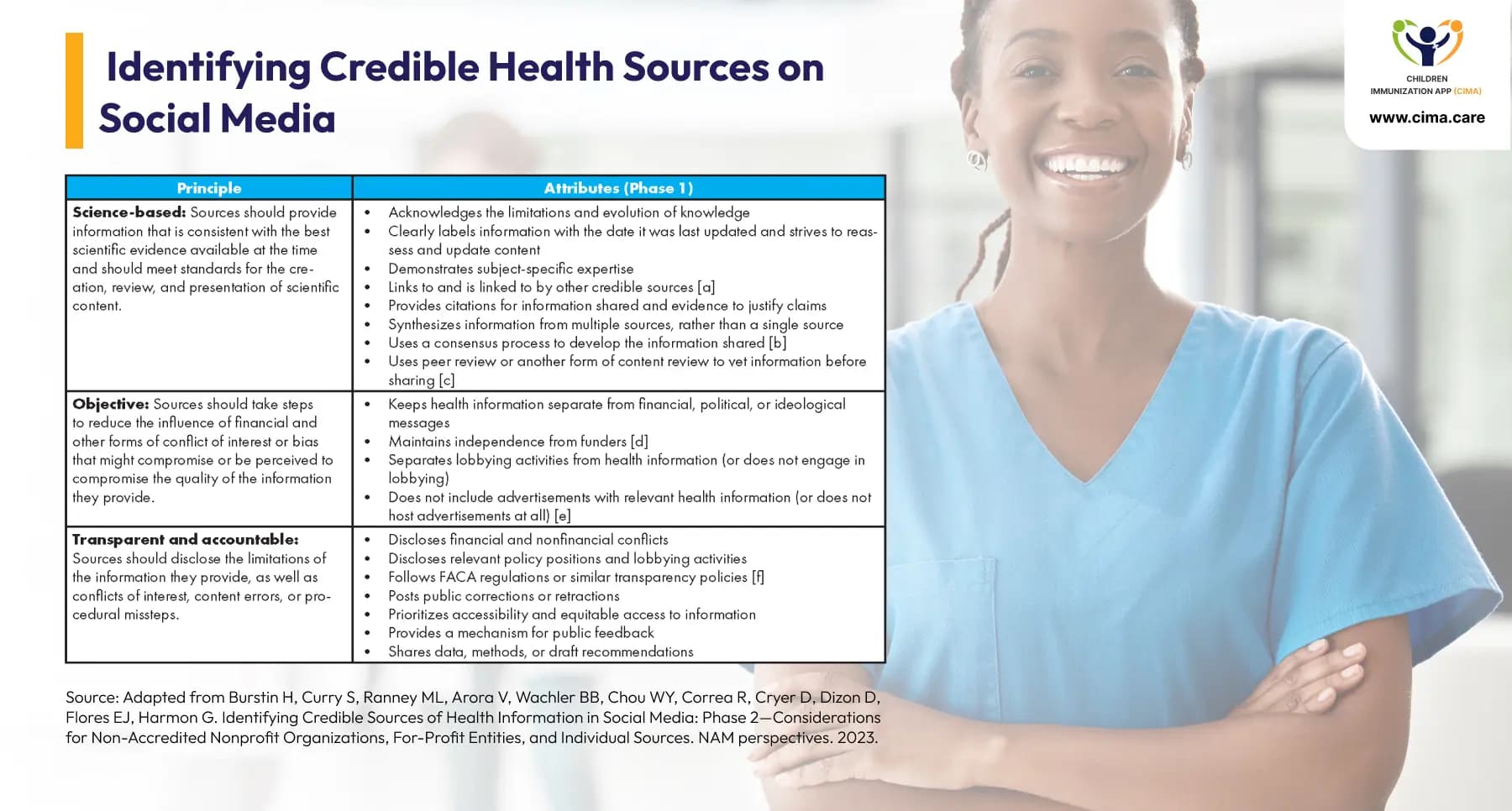
National Academy of Medicine Framework: Core Principles for Credible Health Information on Social Media.
Global Impact and Spread—Studies reveal alarming trends
Research shows that misinformation spreads at an alarming rate online, with falsehoods being 70% more likely to be shared than accurate news on some social media platforms. This finding highlights the critical need for systematic intervention in the digital health information landscape. [2 & 7]
Digital Platform Challenges
- Social media platforms, once key sources of information, are now grappling with the troubles of unchecked content and reducing oversight.
- Meta's recent decision to end fact-checking exemplifies trends concerning oversight reduction on social networks. [1]
- With over 90% of Americans using social media for health information, the lack of standards around content monitoring poses significant risks. [3]
- Social media platforms amplify false narratives through echo chambers and algorithms. [4]
- Digital platforms must be regularly updated as knowledge evolves. [5]
Global Framework for Credible Health Information
The World Health Organization (WHO) is committed to promoting science-based content, combating misinformation, and developing innovative tools to support global health efforts. In collaboration with the Council of Medical Specialty Societies (CMSS) and the National Academy of Medicine (NAM), the WHO is advancing Phase II of a project aimed at identifying credible health information sources on social media.
In this phase, a comprehensive framework has been established to help social and digital media companies validate reliable health sources. This framework extends beyond traditionally vetted entities to organizations and individual content creators, ensuring a broader spectrum of credible health information sources. [10]
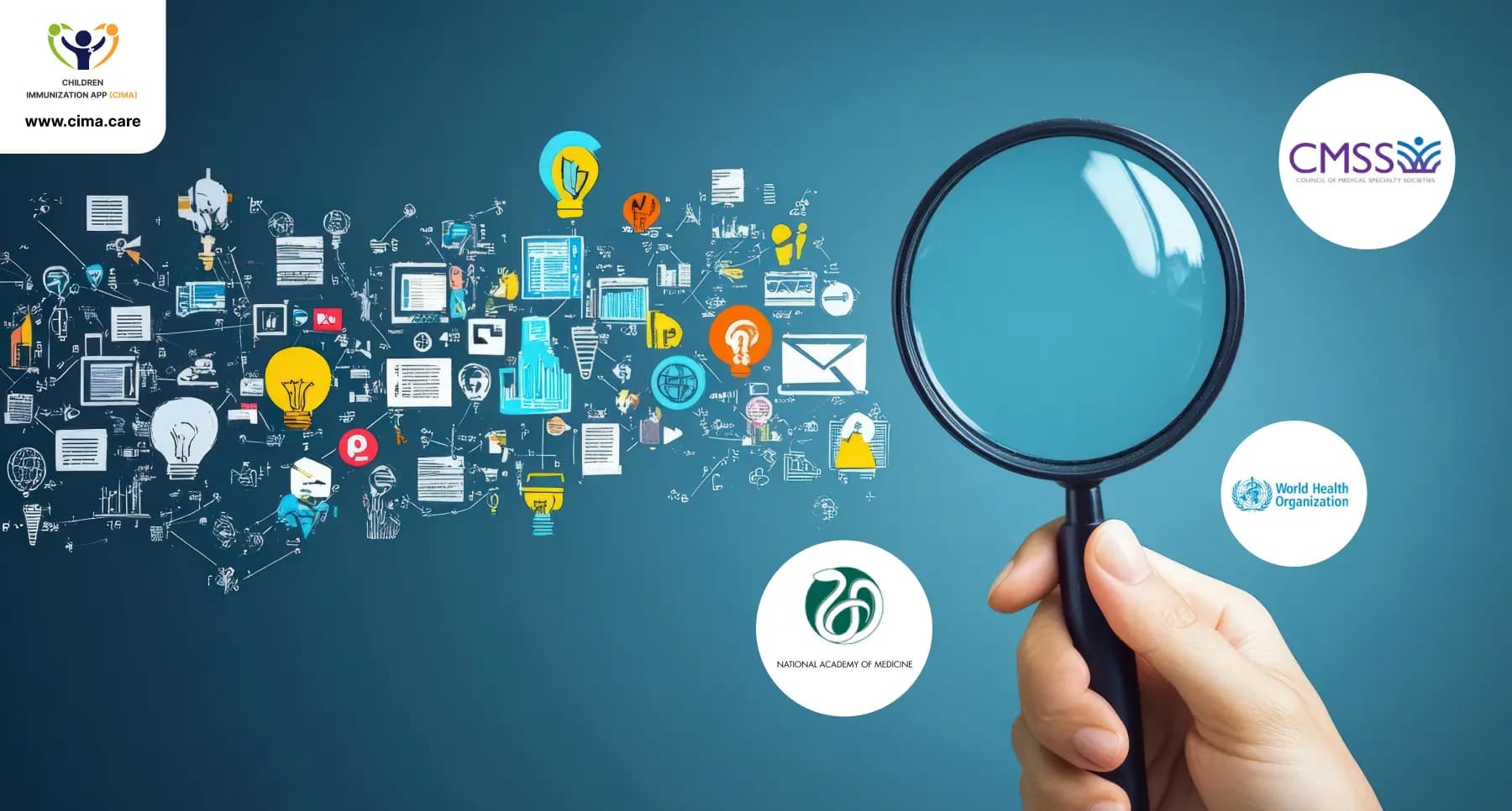
Global Health Leaders Unite to Validate Digital Health Information Sources.
When Misinformation Strikes: Breaking Bonds Between People and Healthcare Systems and Health Guidance.
Trust Erosion and Public Health Impact
Studies reveal a disturbing pattern: as misinformation proliferates across digital platforms, it creates ripple effects that fundamentally alter how people engage with healthcare systems and public health guidance.
- Belief in misinformation correlates with reduced adherence to preventive health measures.
- People exposed to COVID-19 misinformation were more likely to lose trust in public institutions, political leaders, and governments. [4]
Fact-Checking That Works: Core Principles for Credible Health Information
Fact-checking is a systematic practice of evaluating the accuracy of claims, especially those made by public figures, organizations, or media. Its effectiveness is optimized when the content is straightforward, accessible, culturally relevant, and presented by transparent and credible sources. Clear communication, context sensitivity, and acknowledging limitations are key elements in building public trust and ensuring that fact-checking achieves its intended corrective impact. [6] To establish credible and high-quality health information, sources should adhere to the following principles:
- Must be science-based and consistent with current evidence.
- Must be transparent and accountable about limitations and uncertainties.
- Must openly disclose any limitations in the information provided.
- Must declare any financial relationships, funding sources, or personal interests that could influence the content or its interpretation (e.g., research funded by pharmaceutical companies, affiliations with health product manufacturers, or ownership of related patents).
- Must acknowledge and communicate any content errors or procedural mistakes
- Must be regularly updated as knowledge evolves. [5]
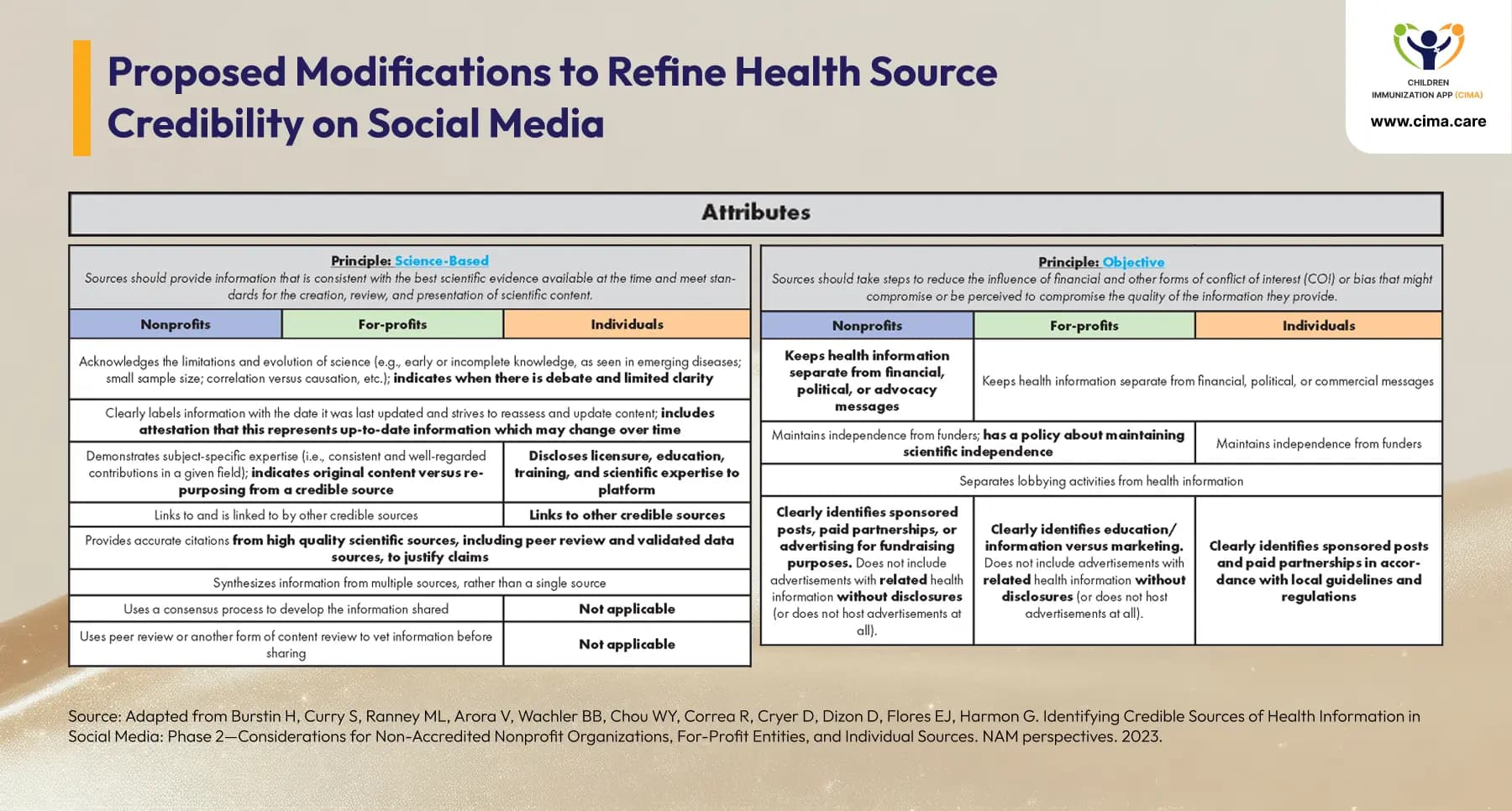
National Academy of Medicine Framework: Elevating Health Source Credibility Through Evidence-Based Standards.
Strategic Partnerships for Information Integrity
WHO's strategic collaborations with tech giants like Google and specialized organizations like NewsGuard Technologies and the GlobalWebIndex (GWI) enable real-time tracking of misinformation trends. These cooperations facilitate rapid response to emerging health misinformation narratives and help target science-based information where it's most needed. [8]

Digital cooperation: Uniting technology and health expertise against misinformation.
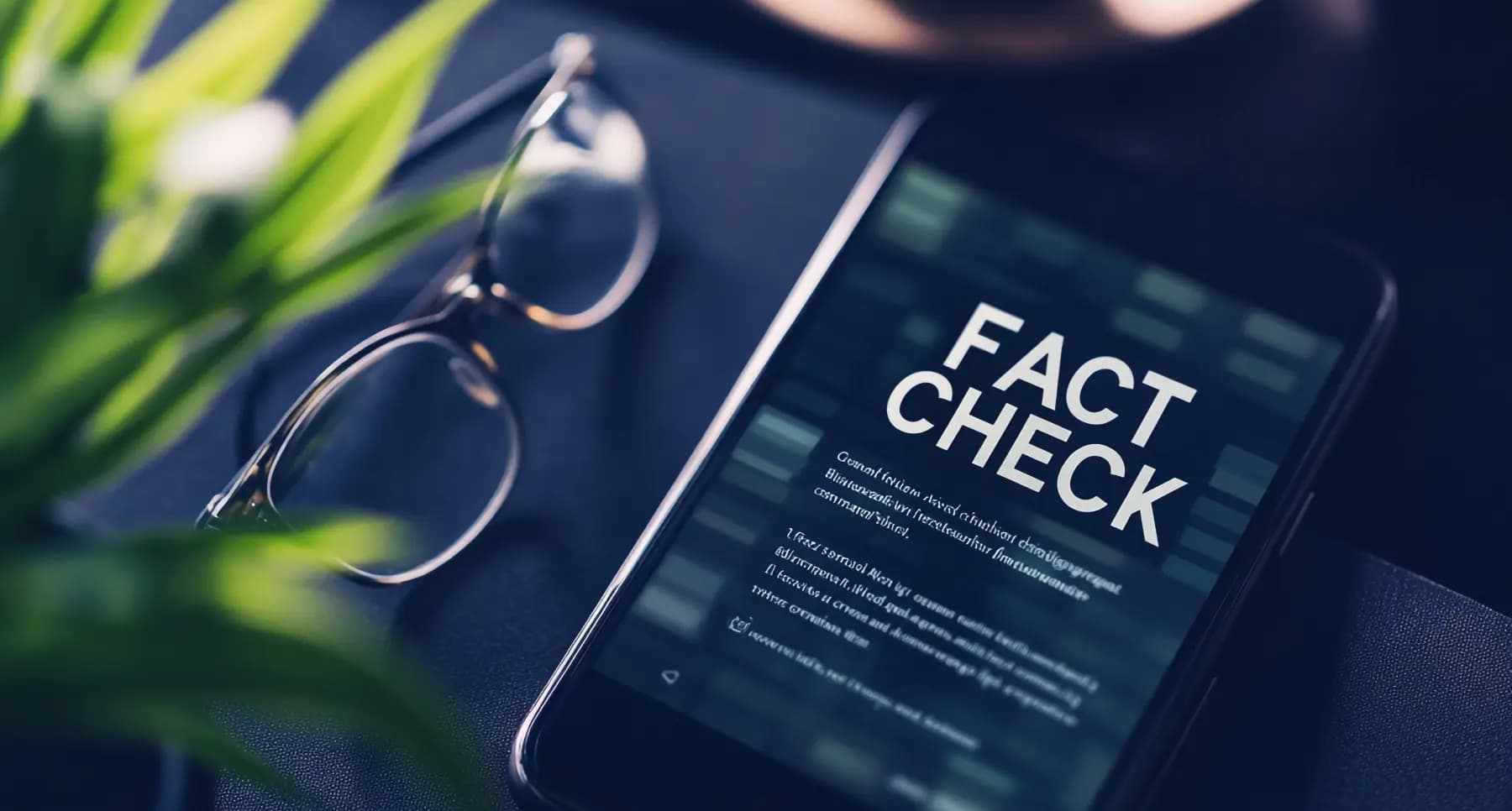
Evidence-Based Fact-Checking: Where Professional Analysis Meets Digital Verification.
Data-Driven Misinformation Combat Strategy
The International Fact-Checking Network's database of over 10,000 fact-checks on COVID-19 serves as a crucial resource for journalists, researchers, and users. This systematic approach to fact-checking enables targeted intervention strategies in misinformation management. [8]
Technological Innovation in Health Communication
he development of AI-powered solutions, like Florence—the world's first virtual health worker—demonstrates innovative approaches to delivering reliable health information. Such tools provide personalized health guidance while combating misinformation. [9]
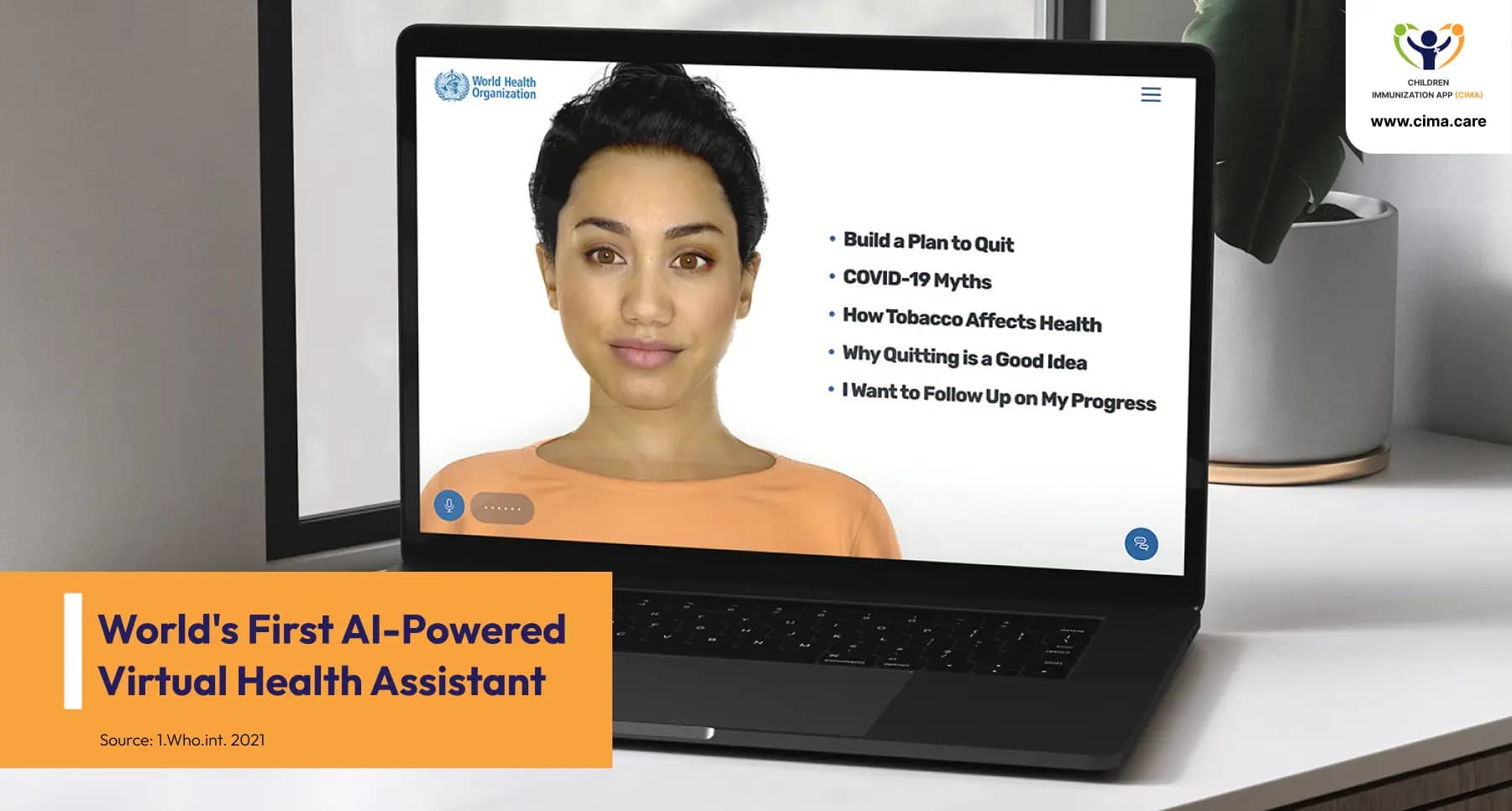
Florence: WHO's AI Health Assistant Revolutionizing Personal Health Guidance.
CIMA Care's Evidence-Based Response
CIMA Care addresses the mis- and disinformation challenges through three interconnected approaches:
- 1- Evidence-Based Parent Education—Timely Support for Child Health: Drawn from validated content from WHO, UNICEF, and UNODC, CIMA Care delivers strategic SMS health messages to parents to deploy evidence-based strategies to combat misinformation. The messages cover critical vaccination information, post-vaccination care guidance, parenting tips, nutrition and breastfeeding advice, and vaccine confidence building. This communication system aligns with child development milestones and vaccination schedules, ensuring parents receive reliable, timely, and actionable guidance at each crucial stage of their child's health journey.
- 2- Healthcare Providers Education: Through the CIMA Health Academy, healthcare professionals receive CPD-certified training in vaccination science and communication strategies. The curriculum aligns with WHO's principles for credible health information sources, emphasizing evidence-based practice and effective communication. Through free online Continuous Professional Development and collaboration with trusted international institutions, CIMA Health Academy strengthens the foundation of reliable health information ecosystems worldwide.
- 3- Combating Vaccine Hesitancy: Research Translates to Trust: CIMA Care's approach mirrors WHO's strategy by providing accurate, science-based information through its channels and engaging healthcare providers as trusted messengers. Our blog articles, designed for healthcare workers, parents, and global health enthusiasts, adhere to stringent credibility principles. They feature evidence-based content from current research, transparent source attribution, and clear disclosure of limitations. Each new blog article reflects the latest scientific understanding at the time of publication and helps enthusiasts acquire the latest knowledge gained through scientific research published in reliable sources.
CIMA Care is dedicated to empowering child health globally through digital innovation, trusted knowledge, and sustainable information integrity.
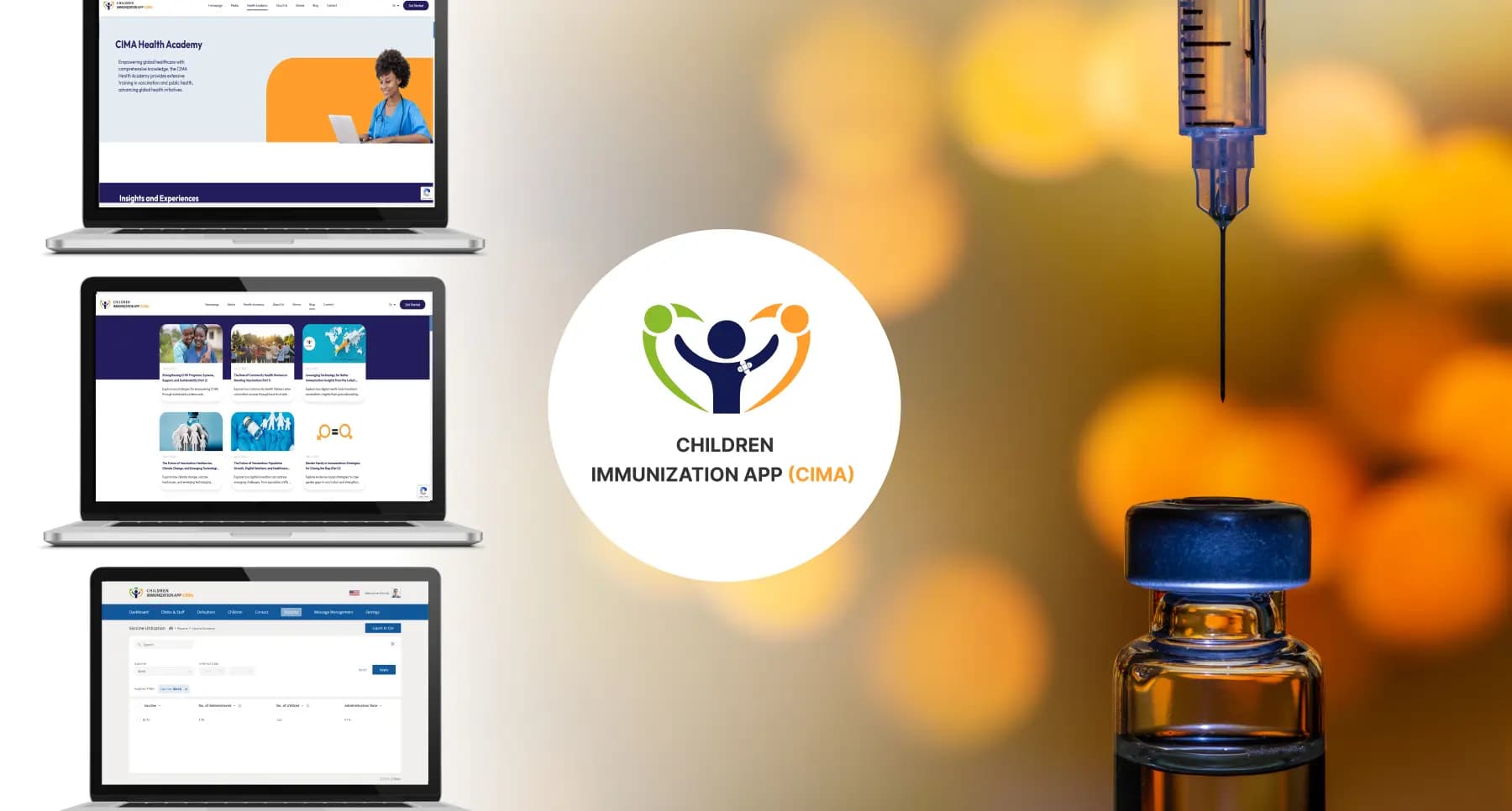
CIMA Care: Uniting Digital Innovation and Expertise for Global Child Immunization
Image References
- 1- Adobe Stock. Light bulbs with fake and fact concept [Internet]. [cited 2025 Aug 19]. Available from: https://stock.adobe.com/sg/images/light-bulbs-with-fake-and-fact-concept/326698210
- 2- Adobe Stock. The spread of misinformation on social media: Examining the role of social media in the dissemination of false information and its consequences on society [Internet]. [cited 2025 Aug 19]. Available from: https://stock.adobe.com/sg/images/the-spread-of-misinformation-on-social-media-examining-the-role-of-social-media-in-the-dissemination-of-false-information-and-its-consequences-on-society/1164082799
- 3- Adobe Stock. Nurse healthcare and medicine: A woman working in healthcare for health, wellness, or insurance in a hospital. Portrait of a female medical student or professional standing arms crossed inside [Internet]. [cited 2025 Aug 19]. Available from: https://stock.adobe.com/sg/images/nurse-healthcare-and-medicine-with-a-woman-working-in-healthcare-for-health-wellness-or-insurance-in-a-hospital-portrait-of-a-female-medical-student-or-professional-standing-arms-crossed-inside/528816459
- 4- Adobe Stock. Finding the truth: Person conducting online research with magnifying glass for critical thinking and verification process [Internet]. [cited 2025 Aug 19]. Available from: https://stock.adobe.com/sg/images/finding-the-truth-person-conducting-online-research-with-magnifying-glass-for-critical-thinking-and-verification-process/926666613
- 5- Adobe Stock. Abstract beige satin wave texture: Minimal and luxurious background photography for social media and faceless digital content marketing [Internet]. [cited 2025 Aug 19]. Available from: https://stock.adobe.com/sg/images/abstract-beige-satin-wave-texture-minimal-and-luxurious-background-photography-for-social-media-faceless-digital-content-marketing/1133548591
- 6- Adobe Stock. Business partnership in a virtual environment [Internet]. [cited 2025 Aug 19]. Available from: https://stock.adobe.com/sg/images/business-partnership-in-a-virtual-environment/838329460
- 7- Adobe Stock. Smartphone displaying fact-check app on a desk with glasses and green plant [Internet]. [cited 2025 Aug 19]. Available from: https://stock.adobe.com/sg/images/smartphone-displaying-fact-check-app-on-a-desk-with-glasses-and-green-plant/1050228214
- 8- Adobe Stock. A syringe with the needle point to the vaccine vial on the colorful abstract background [Internet]. [cited 2025 Aug 19]. Available from: https://stock.adobe.com/sg/images/a-syringe-with-the-needle-point-to-the-vaccine-vial-on-the-colorful-abstract-background/225352619
Blog Resources
- 1- The Lancet. Health in the age of disinformation. Lancet (London, England). 2025 Jan 18;405(10474):173.
- 2- Vosoughi S, Roy D, Aral S. The spread of true and false news online. science. 2018 Mar 9;359(6380):1146-51.
- 3- Burstin H, Curry S, Ranney ML, Arora V, Wachler BB, Chou WY, Correa R, Cryer D, Dizon D, Flores EJ, Harmon G. Identifying Credible Sources of Health Information in Social Media: Phase 2—Considerations for Non-Accredited Nonprofit Organizations, For-Profit Entities, and Individual Sources. NAM perspectives. 2023;2023.
- 4- Bruns H, Dessart FJ, Pantazi M. Covid-19 misinformation: Preparing for future crises. Luxembourg: Publications Office of the European Union. 2022 Sep.
- 5- Burstin H, Curry S, Ranney ML, Arora V, Wachler BB, Chou WY, Correa R, Cryer D, Dizon D, Flores EJ, Harmon G. Identifying Credible Sources of Health Information in Social Media: Phase 2—Considerations for Non-Accredited Nonprofit Organizations, For-Profit Entities, and Individual Sources. NAM perspectives. 2023;2023.
- 6- Walter N, Cohen J, Holbert RL, Morag Y. Fact-checking: A meta-analysis of what works and for whom. Political communication. 2020 May 3;37(3):350-75.
- 7- WHO. Combatting misinformation online [Internet]. www.who.int. Available from: Combatting misinformation online
- 8- Leveraging data insights to keep communities informed [Internet]. www.who.int. Available from: Leveraging data insights to keep communities informed
- 9- Creating new tools and channels to amplify health messages [Internet]. www.who.int. Available from: Creating new tools and channels to amplify health messages
- 10- Phase II - Global principles for identifying credible sources of health information on social media [Internet]. www.who.int. Available from: Phase II - Global principles for identifying credible sources of health information on social media
Enjoyed this article?
Share it with your friends on LinkedIn: Combating Health Mis/Disinformation: CIMA Care's Evidence-Based Approach in the Digital Age 
Follow us on LinkedIn for more updates and insights: Cima Care GmbH