
Climate Change: Reshaping Immunization Landscapes |
septembre 11, 2024 . 5 Minutes read
Socioeconomic Impacts of Climate Change on Global Immunization
Climate change alters our physical environment and reshapes the socioeconomic landscape of global immunization. From extreme weather events to population displacement, these changes pose significant challenges to vaccination efforts worldwide.
Extreme Weather Events: Disrupting Vaccination Through Access Barriers
Extreme weather events increasing frequency and intensity are wreaking havoc on immunization efforts. A 2024 Gavi study shows that flooding or drought can lead to displacement, breaking connections with previously used facilities. At the same time, residents abandoned certain villages in search of more fertile land. This has led them to move away from health facilities, which affects their children's vaccination. Additionally, climate change can disrupt healthcare systems and erode trust, especially in vulnerable communities that are disproportionately affected by climate impacts. [1]
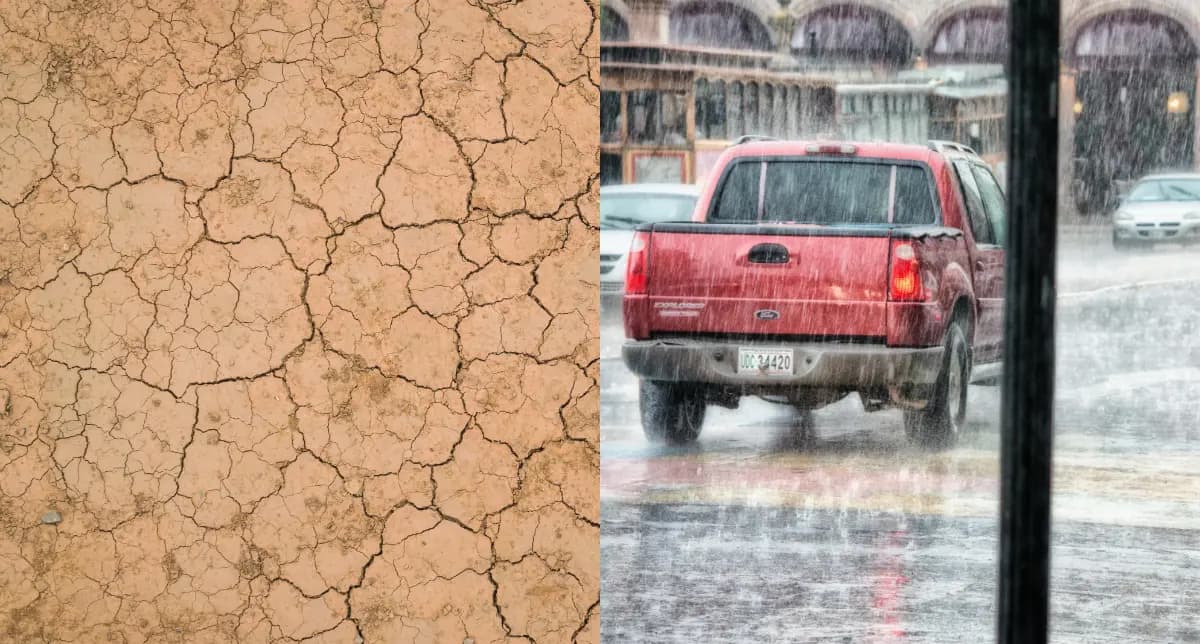
When Nature Disrupts Health: Extreme Weather's Impact on Vaccination Access in Vulnerable Communities.
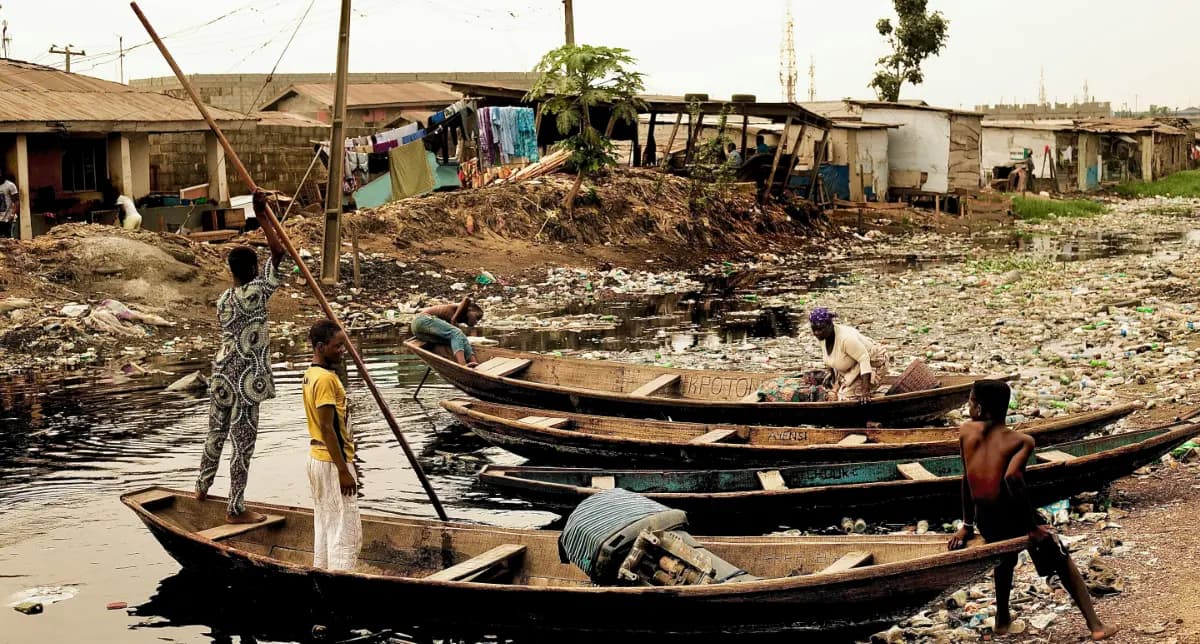
Climate Crisis and Vaccine Hesitancy: When Survival Priorities Eclipse Preventive Healthcare.
Vaccine Hesitancy in a Changing Climate
Climate change isn't just altering our physical environment; it's shifting the public's opinion landscape. Immediate survival needs to take priority. In regions severely impacted by climate change, needs like food, water, and shelter may take priority over preventive healthcare like vaccination. [2]
For instance, a study found drought was associated with lower childhood vaccination rates in several African countries, although the effect varied in different countries. [3] Such an unexpected correlation highlights the complex interplay between environmental crises and public health trust or eagerness.
Safeguarding Herd Immunity Amid Climate-Driven Displacement
Climate change is altering global population dynamics, complicating immunization efforts. For example, UNHCR reported the 2022 Pakistan floods displaced 8 million people, including Afghan refugees, leading to challenges in maintaining vaccination coverage. [4] Mass migration and urbanization create low immunization pockets, as noted by a 2024 review that links immigration enforcement to reduced immunization. [5] To safeguard herd immunity, innovative strategies are needed to track transient populations and maintain herd immunity, ensuring both settled and displaced communities are protected amid climate uncertainty.
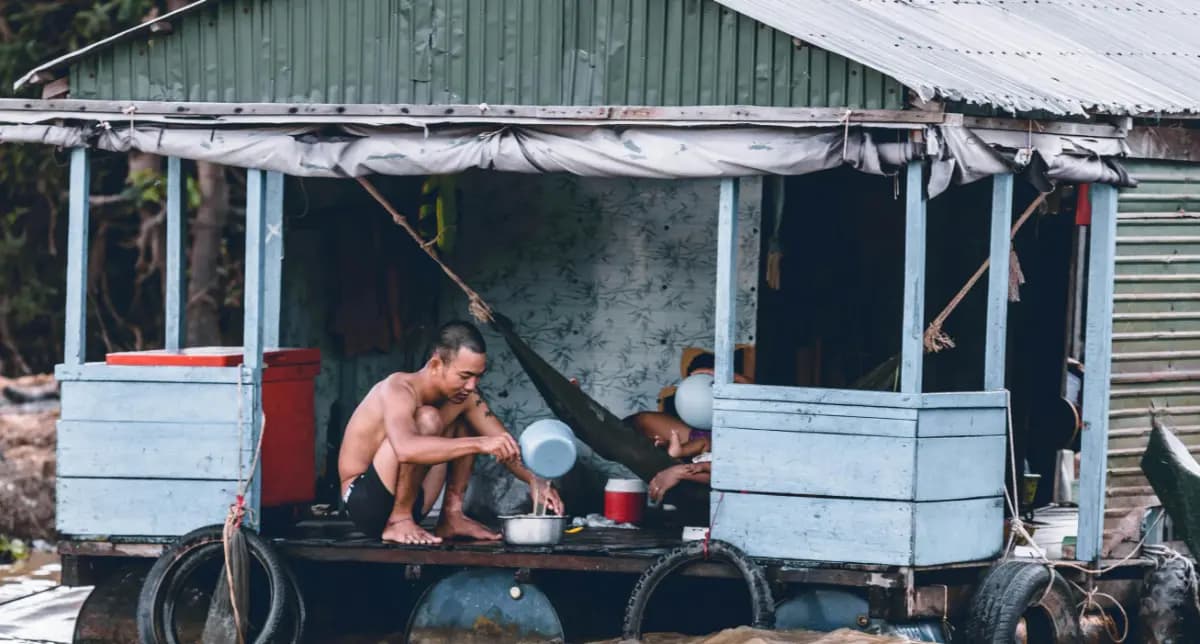
Preserving Herd Immunity: A Vital Defense Amid the Challenges of Climate-Driven Displacement.

Economic Strain and Vaccine Access: Navigating the Financial Challenges of Climate Change.
The Economic Burden: Climate Change's Impact on Vaccine Affordability
As climate change strains global economies, funding for immunization programs may be at risk. Climate change contributes to various health issues and puts pressure on health systems in vulnerable countries, so the World Bank launched its Climate and Health Program in December 2023. The program aims to assess countries' climate-health vulnerabilities, scale up investments in climate-resilient health systems, and build partnerships to address climate-related health challenges. [6]
This financial pressure threatens to reverse hard-won gains in global vaccination coverage, demanding innovative financing solutions.
Global Cooperation: The Key to Climate-Proof Immunization
The fight against climate change's impact on immunization requires unprecedented global cooperation. Gavi's strategy represents a significant step in addressing global climate-related challenges in vaccination programs. The process involves qualitative research and expert consultations to assess the impact of climate change on disease outbreaks, geographic expansion, and social equity. This landmark agreement signals a new era of collaborative efforts to ensure equitable access to vaccines in a warming world. [7]

Uniting for Health: Global Cooperation to Safeguard Immunization Amid Climate Change Challenges.
CIMA: Vaccination Solutions for a Healthier Future.
CIMA: Impactful, Climate-Resilient Solutions
In the face of climate-induced challenges, CIMA Care enhances vaccination tracking, parent education, and professional development while adapting to climate-related disruptions. With real-time data and flexible scheduling, CIMA supports swift responses to immunization challenges. Explore how CIMA contributes to climate-resilient vaccination at www.cima.care.
Image References
- 1- Adobe Stock. [Internet]. 2025 [cited 2025 Aug 19]. Available from: https://stock.adobe.com/de/212840924
- 2- Adobe Stock. [Internet]. 2025 [cited 2025 Aug 19]. Available from: https://stock.adobe.com/de/502056500
- 3- Freepik. Dry cracked ground texture [Internet]. 2025 [cited 2025 Aug 19]. Available from: https://www.freepik.com/free-photo/dry-cracked-ground-texture_1017734.htm#fromView=keyword&page=1&position=2&uuid=27664b36-16f1-43c3-b780-6a8ef97d9b5b
- 4- Pexels. (Image 763398) [Internet]. 2025 [cited 2025 Aug 19]. Available from: https://www.pexels.com/photo/person-riding-a-bicycle-during-rainy-day-763398/
- 5- Pexels. Wooden boats docked on dirty river [Internet]. 2025 [cited 2025 Aug 19]. Available from: https://www.pexels.com/photo/wooden-boats-docked-on-dirty-river-4782466/
- 6- Pexels. Man pouring water from dipper on blue and grey house [Internet]. 2025 [cited 2025 Aug 19]. Available from: https://www.pexels.com/photo/man-pouring-water-from-dipper-on-blue-and-grey-house-1739855/
- 7- Pexels. Businessman, person, woman, space [Internet]. 2025 [cited 2025 Aug 19]. Available from: https://www.pexels.com/photo/businessman-person-woman-space-6779716/
- 8- Pexels. People near wooden table [Internet]. 2025 [cited 2025 Aug 19]. Available from: https://www.pexels.com/photo/photo-of-people-near-wooden-table-3184418/
Blog Resources
- 1- Climate change and immunisation: time to widen the scope? [Internet]. www.gavi.org. Available from: Climate change and immunisation: time to widen the scope?
- 2- Jerving S. As climate change fuels drought, childhood immunizations may suffer [Internet]. devex. PLOS Medicine; 2121 [cited 2024 Aug 18]. Available from: As climate change fuels drought, childhood immunizations may suffer
- 3- Nagata JM, Epstein A, Ganson KT, Benmarhnia T, Weiser SD. Drought and child vaccination coverage in 22 countries in sub-Saharan Africa: A retrospective analysis of national survey data from 2011 to 2019. Bassat Q, editor. PLOS Medicine. 2021 Sep 28;18(9):e1003678.
- 4- UNHCR. Climate change and displacement [Internet]. UNHCR. 2024. Available from: Climate change and displacement | UNHCR
- 5- Wong J, Lao C, Dino G, Donyaei R, Lui R, Huynh J. Vaccine Hesitancy among Immigrants: A Narrative Review of Challenges, Opportunities, and Lessons Learned. Vaccines [Internet]. 2024 May 1;12(5):445. Available from: Vaccine Hesitancy among Immigrants: A Narrative Review of Challenges, Opportunities, and Lessons Learned
- 6- World Bank Climate and Health Program [Internet]. [cited 2024 Aug 19]. Available from: https://thedocs.worldbank.org/en/doc/56dd119bb3db3d394707f09bb9576b77-0140022024/original/Climate-and-Health-Initiative-Concept-Note-Ext.pdf
- 7- Projected impact of climate change to inform which new vaccines receive Gavi support [Internet]. Gavi, the Vaccine Alliance . 2024. Available from: Projected impact of climate change to inform which new vaccines receive Gavi support
Enjoyed this article?
Share it with your friends on LinkedIn: Socioeconomic Impacts of Climate Change on Global Immunization 
Follow us on LinkedIn for more updates and insights: Cima Care GmbH