
Web Story
CIMA Care Selected for the WHO Dashboard on Global Experiences in Promoting Refugee and Migrant Health |
janvier 07, 2026
Reading Time: 6 Minutes
CIMA Care's digital health innovation is recognized among 27 global case studies advancing health equity for the world's 1 billion people on the move.
WHO Dashboard Selection
LINZ, AUSTRIA –CIMA Care GmbH announced today that its Children Immunization App (CIMA) has been selected for inclusion in the World Health Organization's (WHO) prestigious Dashboard on Global Experiences in Promoting Refugee and Migrant Health. Following a competitive evaluation process, CIMA was chosen as one of only 27 projects worldwide in the 2025 call. A testament to its proven impact, sustainability, and alignment with the WHO Global Action Plan (GAP) on promoting the health of refugees and migrants 2019-2030.
The WHO Dashboard serves as a comprehensive global repository showcasing evidence-based interventions that address the health needs of refugees and migrants across all six WHO regions. Selection criteria emphasize demonstrated implementation effectiveness, measurable impact, regional representation, and potential for scale-up—all hallmarks of CIMA's multi-country deployment. [1]
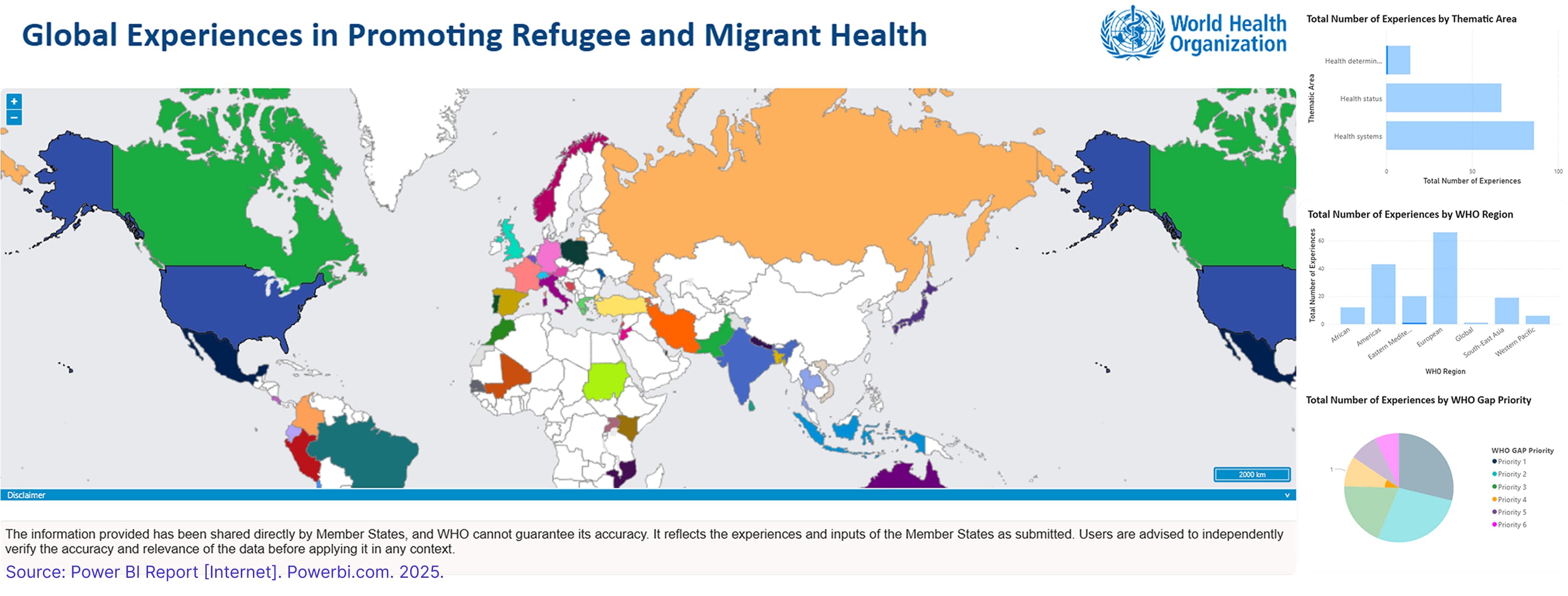
WHO Dashboard showcasing global case studies across six WHO regions.
Proven Impact Across Three Countries
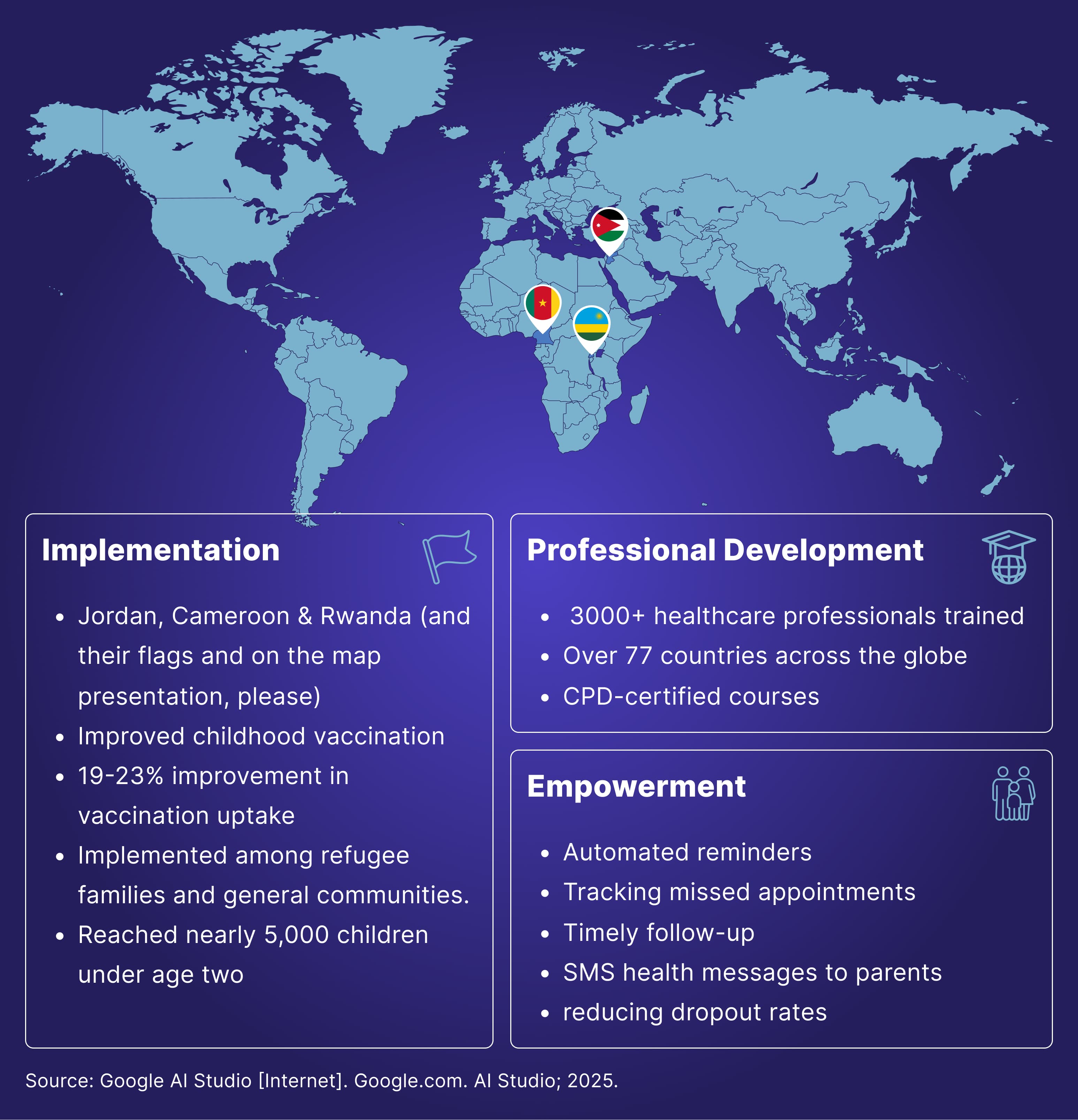
CIMA's proven results: 19-23% vaccination increase, 5,000+ children reached, 3,000+ professionals trained.
CIMA's featured case study documents transformative results across Jordan, Cameroon, and Rwanda, where the platform has improved childhood vaccination uptake by 19–23% among refugee families and general communities. Implemented from 2019 to 2023 in collaboration with the Ministry of Health Jordan, Jordan University of Science and Technology (JUST), the United Nations Office on Drugs and Crime (UNODC), and other partners, CIMA reached nearly 5,000 children under age two with comprehensive immunization support.
The digital platform addresses both demand- and supply-side gaps in immunization services by providing caregivers with automated vaccination reminders, evidence-based parenting education (utilizing UNODC parenting skills and UNICEF parenting tips), and health literacy resources. Simultaneously, CIMA empowers health workers to track children who miss appointments, enabling timely follow-up and reducing dropout rates, a critical intervention in fragile and mobile populations.
Beyond direct service delivery, CIMA Health Academy has trained nearly 3,000 healthcare professionals across more than 77 countries through CPD-certified online courses covering vaccination, public health, nutrition, artificial intelligence in healthcare services, adverse events following immunization, and community health worker empowerment, among others.
Alignment with WHO Global Action Plan Priorities
CIMA's selection reflects its comprehensive alignment with all six priorities of the WHO Global Action Plan:
- Priority 1 – Public Health Interventions:CIMA strengthens essential vaccination services through digital tools that ensure timely immunization for children, addressing acute and chronic disease prevention in vulnerable populations.
- Priority 2 – Continuity and Quality of Care:The platform addresses physical, financial, and linguistic barriers by providing multilingual support (English, French, and Arabic) and enabling cross-border continuity of health information through portable vaccination records.
- Priority 3 – Mainstreaming Refugee and Migrant Health:CIMA advocates for health equity by lowering barriers to immunization access and providing culturally sensitive educational content that empowers caregivers, particularly women and girls, in health decision-making.
- Priority 4 – Social Determinants and SDG Acceleration:By addressing knowledge gaps, social isolation, and access barriers, CIMA contributes directly to SDG 3 (Good Health and Well-Being) and SDG 10 (Reduced Inequalities).
- Priority 5 – Health Monitoring and Information Systems:CIMA generates standardized, disaggregated data that supports evidence-based policy development while strengthening national health surveillance systems in collaborating countries.
- Priority 6 – Evidence-Based Communication:The platform provides factual, timely, culturally sensitive health information that counters vaccine hesitancy and misinformation while building trust between health systems and refugee communities.
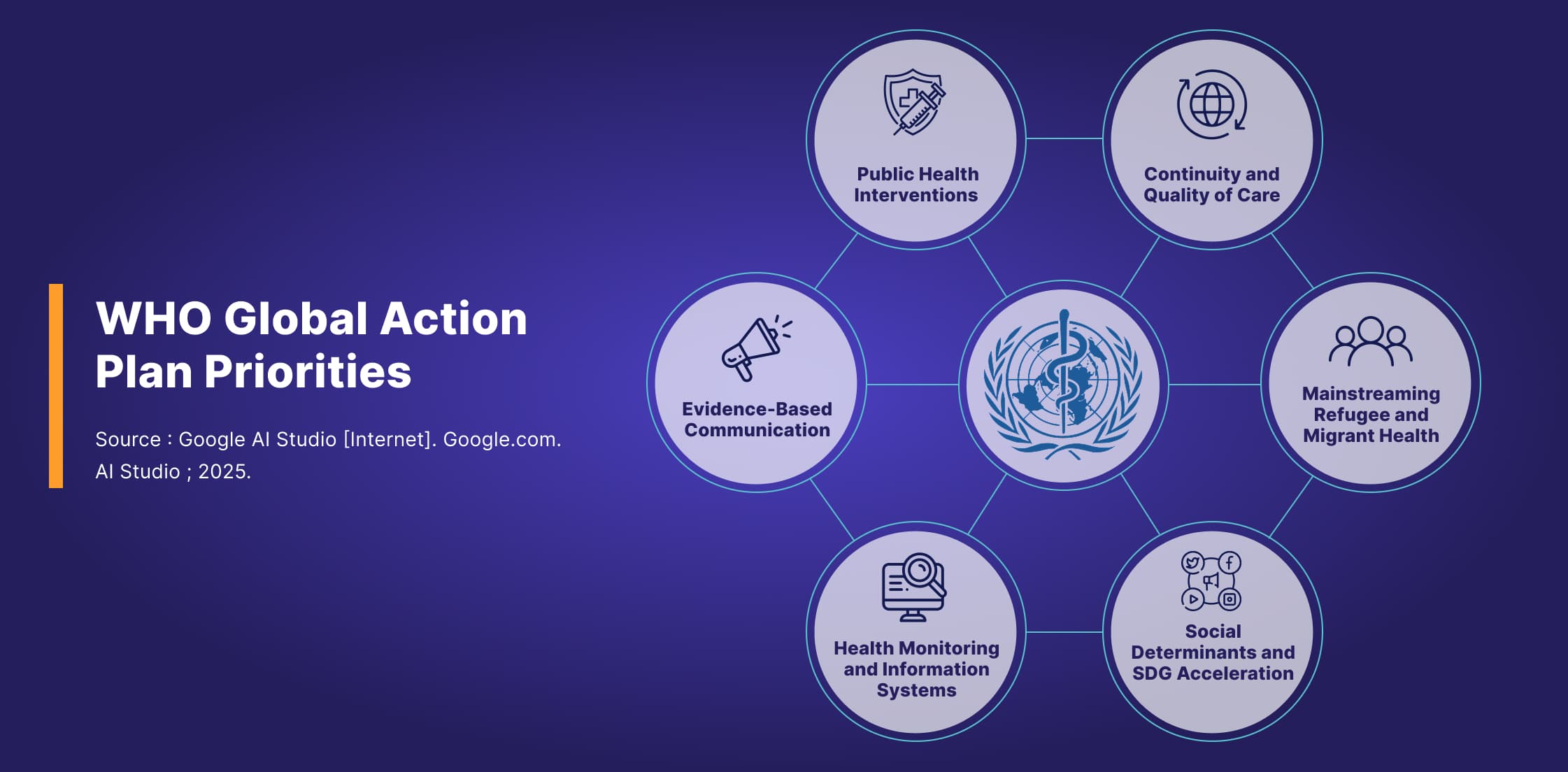
CIMA Care aligns with all six WHO GAP priorities, strengthening health equity for refugees and migrants.
A Holistic, Community-Centered Model for Global Replication
The WHO case study highlights CIMA's success in combining technology with human-centered public health strategies. This model prioritizes trust-building, culturally sensitive communication, and collaboration with frontline health workers. Health staff in implementation sites reported increased capacity and motivation, while caregivers noted improved knowledge and confidence in managing their children's health needs.
Critically, the CIMA intervention revealed previously overlooked population "blind spots," underserved groups whose health needs were not adequately addressed by conventional approaches. This discovery underscores the importance of context-specific, data-driven solutions that account for mobility patterns, access constraints, and caregiver engagement dynamics
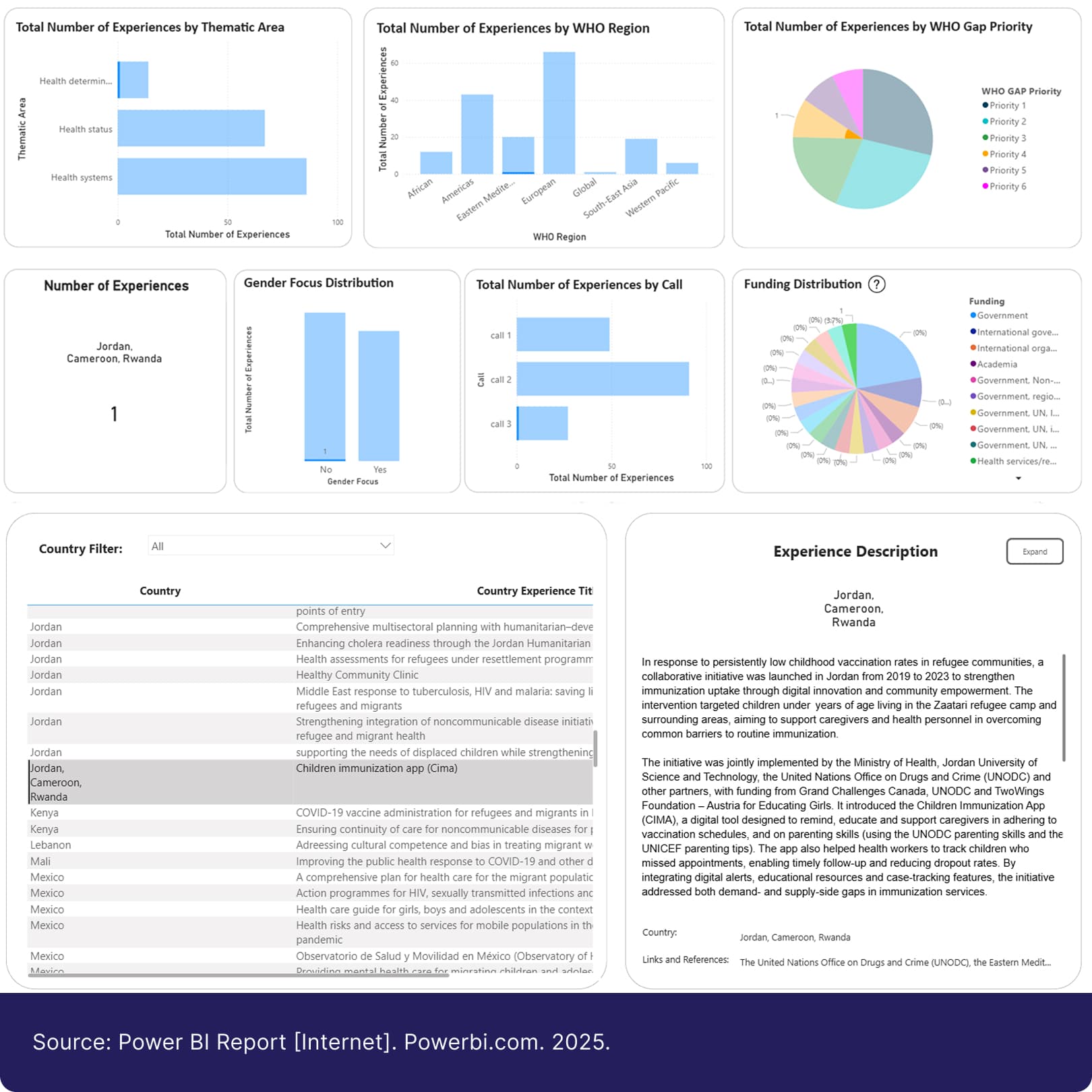
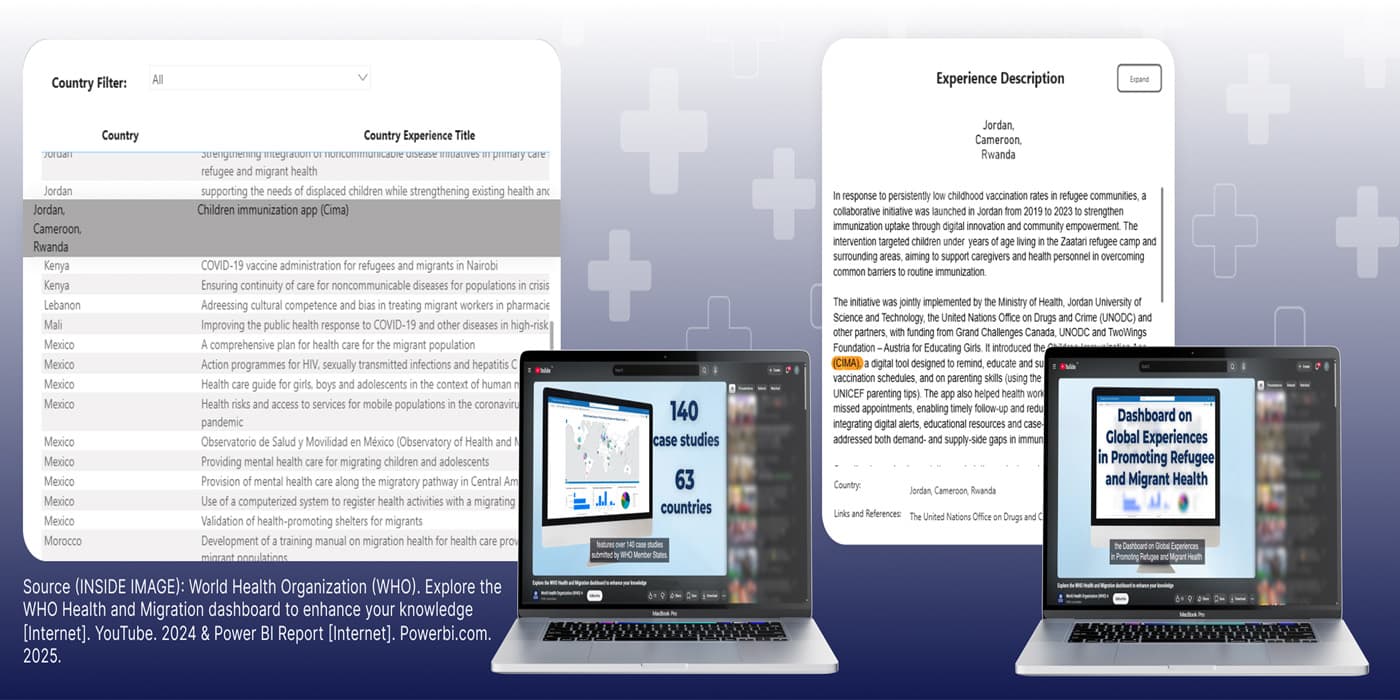
CIMA's case study featured on the WHO Dashboard with implementation data from Jordan, Cameroon, and Rwanda.
“Strong health systems are built when technology, knowledge, and human values work together. Cima Care’s inclusion on the WHO Dashboard on Global Experiences in Promoting Refugee and Migrant Health reflects a holistic approach to strengthening healthcare systems—supporting families with clear information, empowering health workers with practical tools, and reinforcing national immunization programs with reliable data. When innovation serves trust, equity, and prevention, it does more than improve vaccination coverage; it helps health systems become more resilient, inclusive, and capable of serving communities on the move.” Said Dr. Faramarz Ettehadieh-Rachti, Managing Director of CIMA Care.
Being selected among 27 global case studies from diverse health systems demonstrates that CIMA meets the highest standards of effectiveness, sustainability, and replicability. Our work in Jordan, Cameroon, and Rwanda shows that technology, when paired with cultural competence and trust-building, can transform health outcomes for families on the move.
Contributing to Global Health Security in an Era of Mass Displacement
With approximately 1 billion people globally on the move, including 281 million international migrants and 108.4 million forcibly displaced persons, the health challenges facing refugee and migrant populations have never been more urgent. The COVID-19 pandemic further highlighted these vulnerabilities. [1 & 2]
CIMA's evidence-based approach addresses these challenges head-on by ensuring that displacement does not interrupt essential health services. The platform's low running cost (USD $0.25 per child at scale) makes it accessible to resource-constrained settings, while its proven effectiveness justifies investment from governments, international organizations, and philanthropic partners.
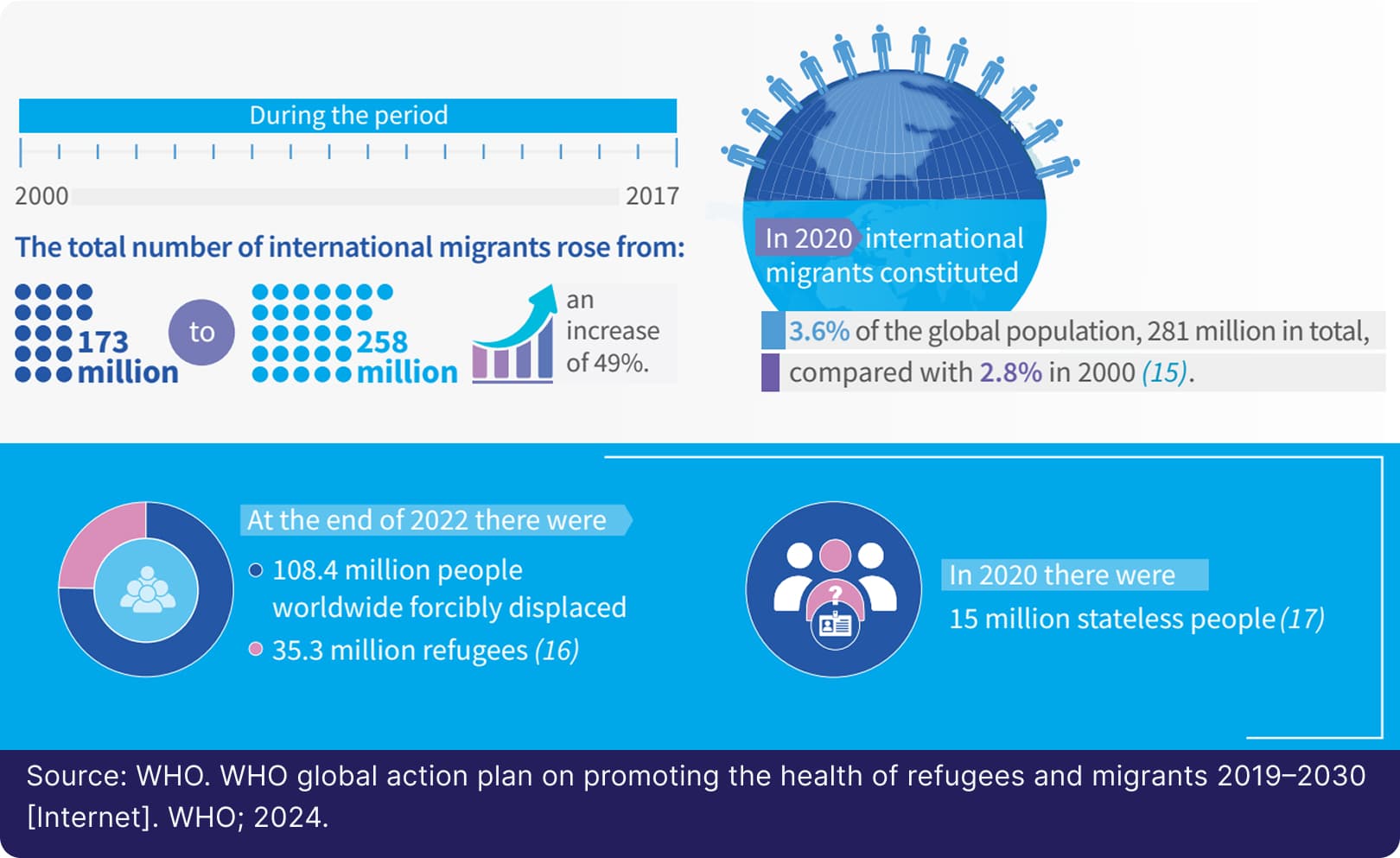
Global migration crisis: 281M migrants, 108M displaced, and CIMA addresses urgent health challenges.
About CIMA Care
CIMA Care is a digital health organization dedicated to advancing health equity through evidence-based technology solutions. Operating across a three-pillar ecosystem, Digital Health Platforms, CIMA Health Academy (CPD-certified), and Evidence-Based Parent Education, CIMA Care has trained 3000+ healthcare professionals in 77+ countries and delivered measurable vaccination improvements in Jordan (19%), Cameroon (23%), and Rwanda. CIMA Care's strategic collaborations include the Jordan Center for Disease Control, E.P.I. Cameroon, Rwanda Biomedical Center, Lebanese American University, University of Lilongwe (Malawi), and Higher Colleges of Technology (UAE). CIMA Care is headquartered in Linz, Austria (FN 624675 s).
Three-Pillar Ecosystem
The digital platforms, CPD-certified academy, and parents empowerment
 | Application |
- • Facilitating Management
- • Measurable Vaccination
- • declining defaulter rates
- • Improving uptake
- • reducing hesitancy
 | CIMA Health Academy (CPD-Certified) |
- • Participation from over 77+
worldwide - • 3000+ healthcare professionals trained
- • In collaboration with:
JCDC
E.P.I. Cameroon
Rwanda Biomedical Center
LAU
University of Lilongwe (Malawi)
HCT-UAE & more
 | Parents Empowerment |
- • Schedule reminders
- • Missed vaccine follow-up
- • Vaccination history
- • SMS health messages



About the WHO Dashboard on Global Experiences in Promoting Refugee and Migrant Health
The WHO Dashboard systematizes real-life experiences from countries worldwide, guiding policy development, public health interventions, and health initiatives that promote health equity for refugees and migrants. Based on voluntary submissions by governments and partners, the platform showcases how countries with varying health systems have implemented policies aligned with the WHO Global Action Plan 2019-2030. The dashboard serves as a valuable resource for health workers, decision-makers, academicians, and stakeholders across health financing, gender equity, insurance, statistics, monitoring, advocacy, and civil society organizations.
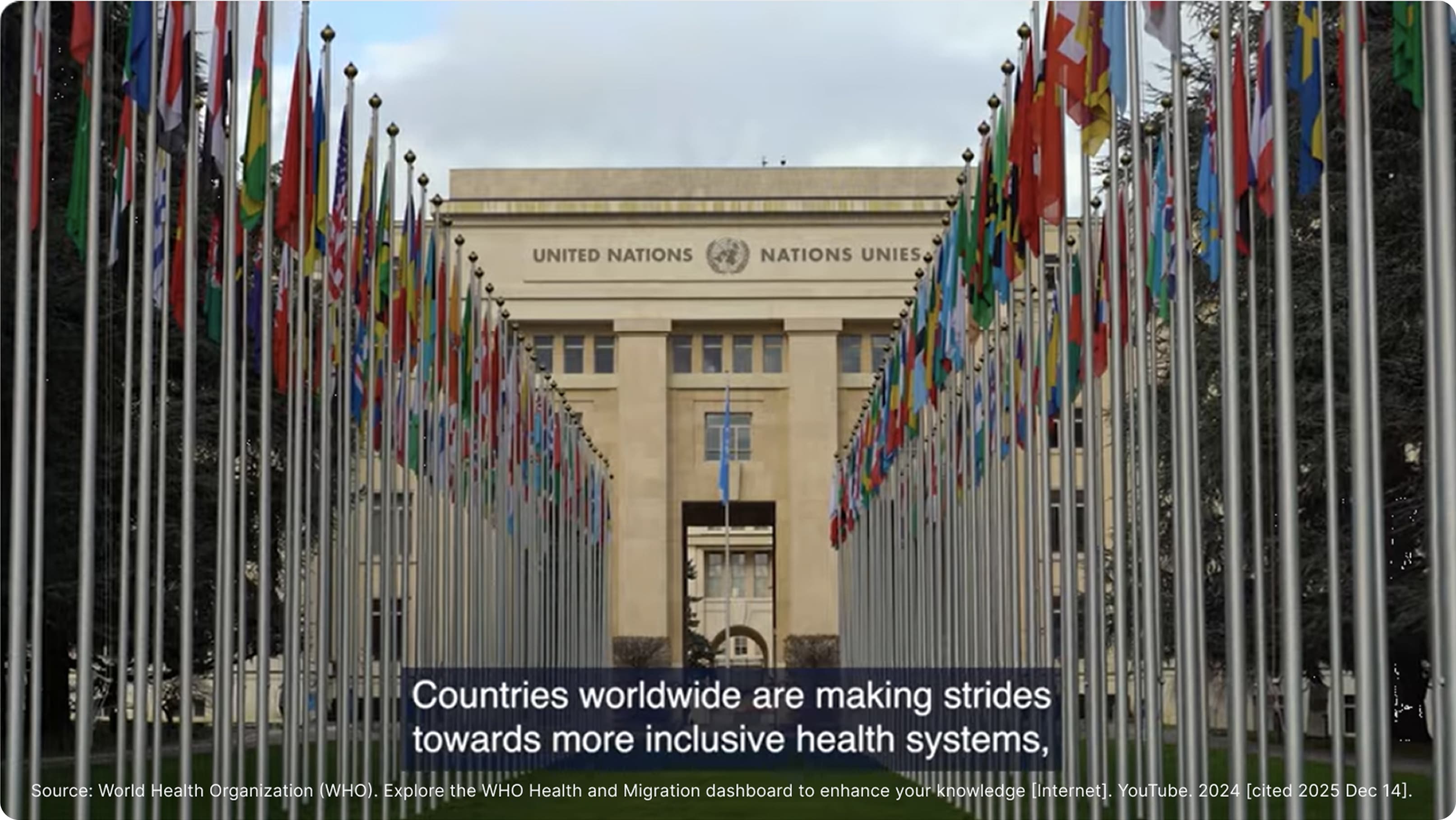
UN member states are advancing inclusive health systems for refugees and migrants worldwide.
Technology, when built on trust, can turn displacement chaos into a pathway toward universal health coverage.
Media Contact
| Email: |  | support@cima.care |
| Phone: |  | +43 664 3461861 |
| WhatsApp: |  | +43 676 845660222 |
| Website: |  | www.cima.care |
| LinkedIn: |  |
For more information about the WHO Dashboard, Click Here
CONFLICTS OF INTEREST
The author and reviewer declare no financial or non-financial conflicts of interest in relation to the content of this page. Full declarations are held on file only, and are available on request.
LICENCE


Sources
- 1- Dashboard on Global Experiences in Promoting Refugee and Migrant Health [Internet]. Who.int. 2019. Available from: https://www.who.int/tools/dashboard-on-global-experiences-in-promoting-refugee-and-migrant-health
- 2- WHO. WHO global action plan on promoting the health of refugees and migrants 2019–2030 [Internet]. WHO; 2024. Available from: https://iris.who.int/server/api/core/bitstreams/5a5de935-c38b-4cf9-9a9d-d3e19da85ab3/content