
Nurturing Growth: From First Words to Emotional Connections |
août 15, 2024 . 6 Minutes read
Milestones in Motion, Language, Sleep, and Social Development from Birth to Age Two
From babbling to first words, from erratic sleep to established routines, and from reflexes to running, a child's first two years are filled with remarkable developmental milestones that shape their future.
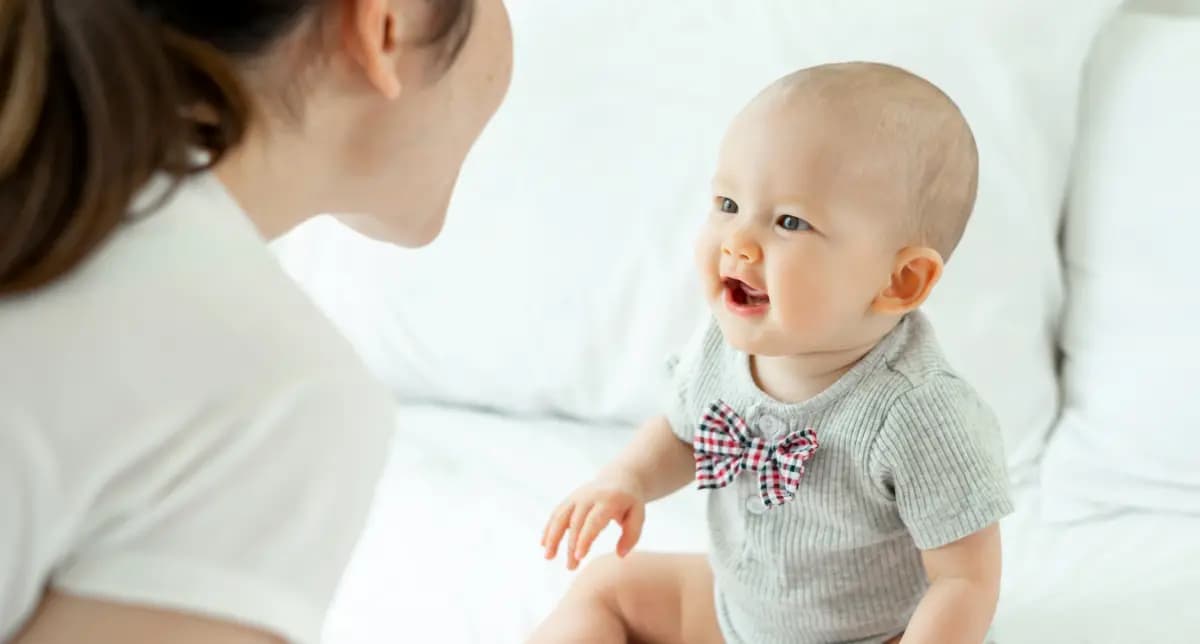
Babbling to Talking
The Language Adventure
- Studies show that infants as young as 4.5 months can recognize speech sounds, specifically the sound patterns of their own names. [1]
- By around six months, infants begin to recognize that the sounds they hear daily are individual words. They may even understand a few words, such as their name and the names of familiar people and objects.
- Studies state that babies often say their first word around the age of 1, with some starting a few months before or after. It mentions that by 12 months, a baby can likely say at least one word like 'mama', 'dada', or 'bye-bye'. [2]
Fun fact: Talking, singing, and reading to your baby helps their brain grow and boost their immune system! [3]

Sleep Patterns
Resting for Growth
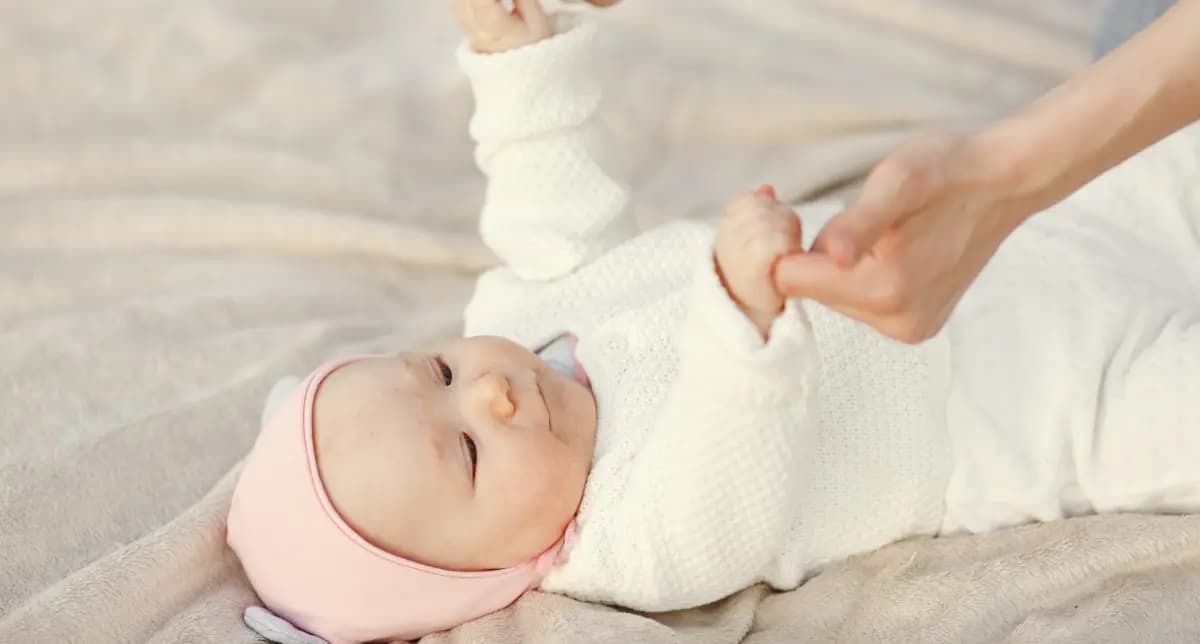
- Newborns require up to 18 hours of sleep, broken into multiple short periods, every 24 hours.
- By six months, babies sleep an average of about 13 hours each day over larger blocks of time. [4]
- High amounts of night awakenings are observed between 17-20 weeks of age, while night-waking patterns can vary and persist throughout the first two years of life. [5]
Pro tip: Consistent children’s bedtime routines are associated with improved sleep outcomes, language development, literacy, emotional and behavioral regulation, and parent-child attachment. [6]
Read more: https://www.sleepfoundation.org/children-and-sleep/sleep-strategies-kids
Moving and Grooving
From Reflexes to Running
Infancy (around one month): Spontaneous, rhythmical kicking can improve strength through knee joint flexion and extension, enhancing early strength development.
Infancy (0–12): Physical activity interventions during this period can have lasting metabolic and behavioral consequences, promoting improvements in health outcomes, including weight, that persist into childhood and early adulthood.
Toddlerhood (12–36 months): This period also benefits from physical activity interventions, with improvements in health outcomes like those seen in infancy.
Walking skills: Strength in the lower extremities is necessary for skills like pull-to-stand. Promoting kicking during infancy can lead to an earlier onset of walking, creating a self-reinforcing loop where earlier walkers become more stable and engage in more physical activity.
Recent findings: Through multivariate analysis, research on infants aged 6-7 months shows a relationship between infant physical activity counts and more advanced motor development. [7]
Explore further: https://www.cdc.gov/physical-activity-basics/health-benefits/children.html
Feeling Feelings
Emotional Growth
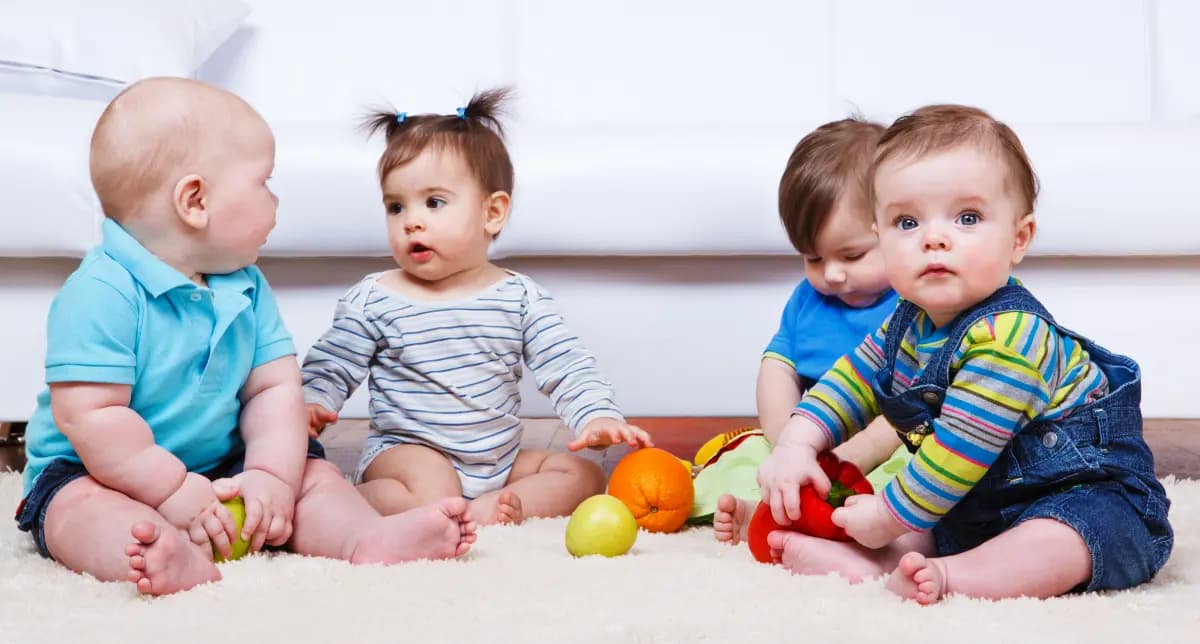
Social and emotional development in infants and young children underpins their physical, cognitive, and language growth. Therefore, professionals working with young children and families should incorporate principles of infant and early childhood mental health (IECMH) into their practices and competencies.
- Most babies, by two months calm down when spoken to or picked up. Look at their face; they seem happy to see their caregiver(s) when they approach them. They Smile when the caregivers talk to or smile at them.
- Most babies, by four months, calm down and smile on their own to get their caregivers’ attention. They chuckle (not yet a full laugh) when their caregivers try to make them laugh, they look at the c caregivers, move, or make sounds to get or keep their attention.
- Most babies know familiar people by six months. They like to look at themselves in a mirror and laugh. [8]
Fun fact: Positive emotional experiences can boost the immune system. Cuddles are good medicine! [9]
Learn more: https://www.zerotothree.org/?s=emotional%20growth
Food for Thought
Nutrition's Big Role
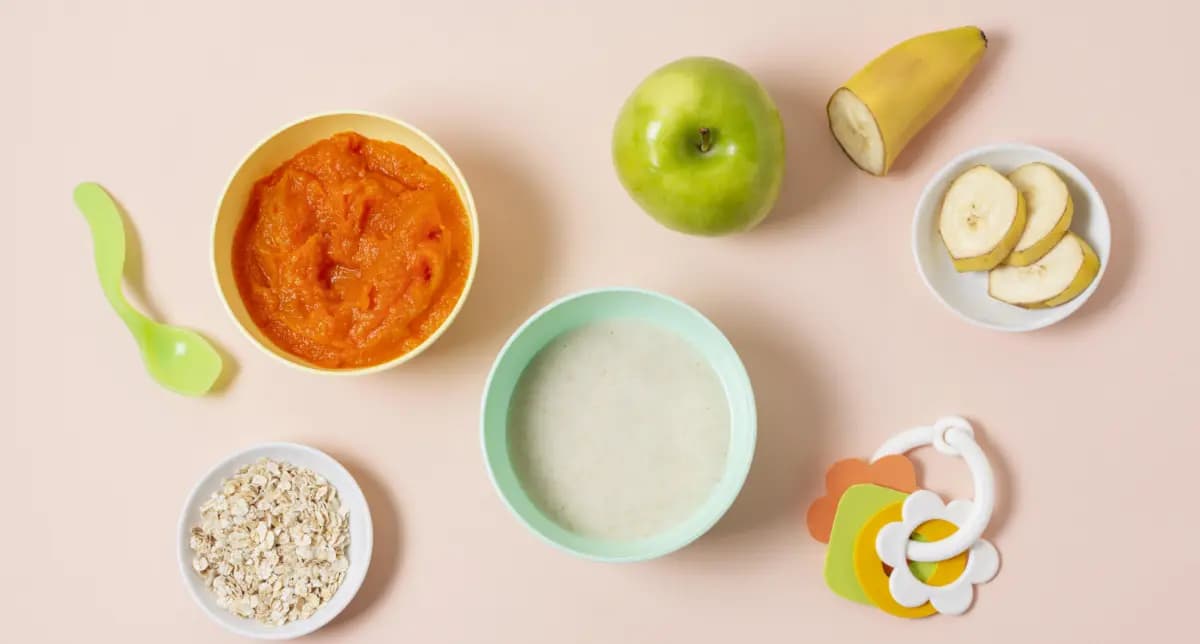
- • 0–6 Months: Breast Milk Provides all the necessary nutrients and hydration. Solid food introduction starts around 4-6 months, and it is recommended for breast-fed babies at six months.
- • 6–9 Months: Purees and Soft Foods begin with single-ingredient foods like mashed bananas or avocados and progress gradually to thicker textures at stages 2 and 3 of baby foods.
- • 9–12 Months: Finger foods like soft, small pieces of vegetables, pasta, and chicken. Encourage self-feeding. Water-like sippy cups with water can be introduced during meals.
- • 12–24 Months: Allergenic foods such as peanuts, milk, eggs, wheat, and fish can be introduced after 12 months.
- • Utensil Use: Encourage practice with spoons for yogurt and mashed potatoe [10]
Pro tip: Certain nutrients in breast milk, including macronutrients such as proteins, fats, carbohydrates, long-chain polyunsaturated fatty acids, zinc, and vitamin A, are super important for brain and immune system development. It's like giving your baby premium fuel! [11]
Discover more: https://www.unicef.org/parenting/food-nutrition
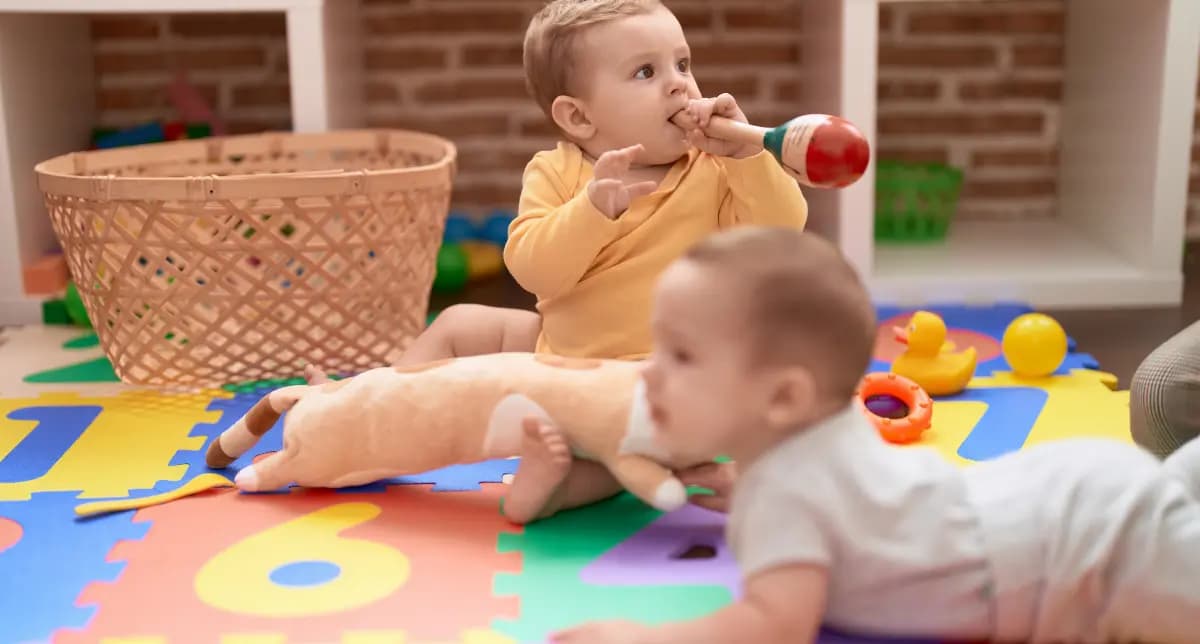
The World Around Us
How the Environment Shapes Development
- • Stimulation and enrichment: A rich, stimulating home environment with age-appropriate toys, books, and learning materials promotes cognitive development and brain growth.
- • Parent-child interactions: Positive, responsive interactions between parents/caregivers and infants, including talking, cuddling, and responding to cues, support healthy brain development and attachment. [12]
- • Positive emotional states, such as feeling comfortable, can lead to decreases in neopterin levels, suggesting a positive impact on the immune system.
- • Emotional states' effects on immune markers occur within about three days, showing a relatively quick impact of environmental factors on immune function. [13]
Did you know? A rich, stimulating environment can boost brain development and potentially strengthen the immune system. It's like giving your baby's brain and body a workout!
Read more: https://developingchild.harvard.edu/science/key-concepts/serve-and-return/
Keeping Calm
The Impact of Stress Months 0–24
A calm, stable home environment helps reduce stress, which is important as chronic stress can negatively impact brain development. High levels of stress or chaos in the home can impair cognitive and emotional development. [14]
Pro tip: Creating a calm, loving environment helps protect your baby's developing brain and immune system. It's like giving them a shield against life's challenges!
Explore further
Altogether
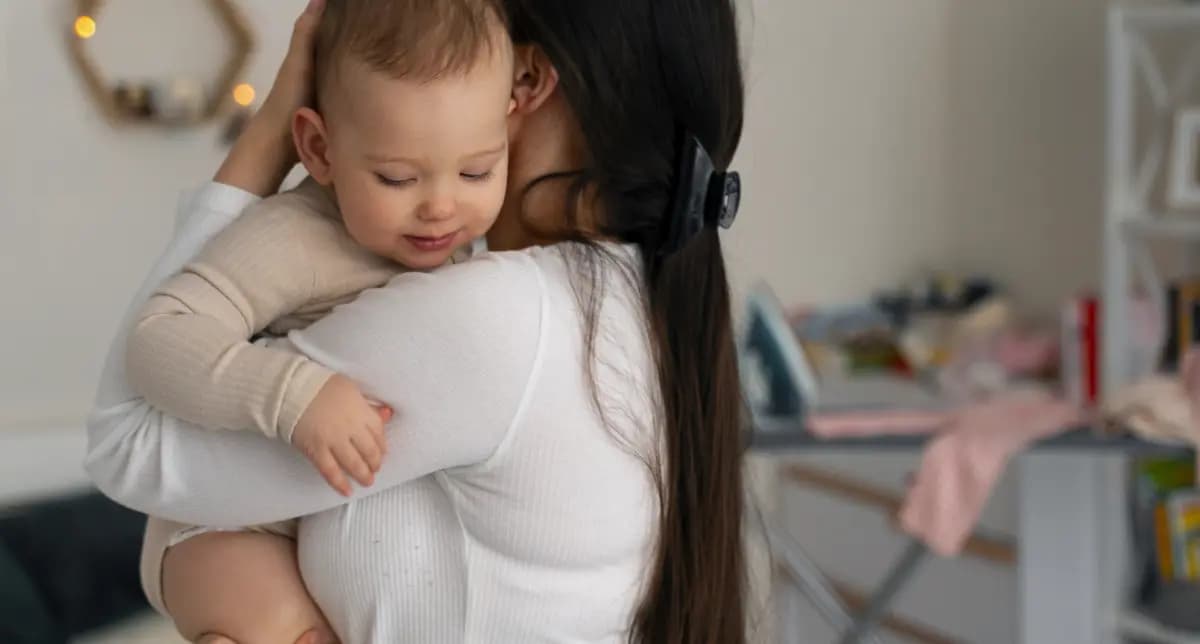
Every baby's journey through these first two years is unique and miraculous. By understanding these stages, we can better support our little ones' growth. At CIMA, we're committed to helping every child have the best possible start in life. Want to learn more about how we're supporting early childhood development worldwide? Visit us a https://cima.care. Together, we can give every child the chance to thrive!
Image References
- 1- Freepik. Baby crawling with green diaper [Internet]. Available from: https://www.freepik.com/free-photo/baby-crawling-with-green-diaper_7398251.htm
- 2- Freepik. Newborn baby girl sleeping on blue sheets at home [Internet]. Available from: https://www.freepik.com/free-photo/newborn-baby-girl-sleeping-blue-sheets-home_2788663.htm
- 3- Freepik. Mother with her baby spend time in summer garden [Internet]. Available from: https://www.freepik.com/free-photo/mother-with-her-baby-spend-time-summer-garden_9343790.htm
- 4- Adobe Stock. Four babies group [Internet]. Available from: https://stock.adobe.com/fi/images/four-babies-group/32039239
- 5- Freepik. View of baby food arrangement [Internet]. Available from: https://www.freepik.com/free-photo/view-baby-food-arrangement_8805326.htm
- 6- Freepik. Two toddlers sucking maraca sitting on floor in kindergarten [Internet]. Available from: https://www.freepik.com/free-photo/two-toddlers-sucking-maraca-sitting-floor-kindergarten_42512852.htm
- 7- Freepik. Lifestyle woman going through motherhood [Internet]. Available from: https://www.freepik.com/free-photo/lifestyle-woman-going-through-motherhood_94964596.htm
Blog Resources
- 1- Mandel DR, Jusczyk PW, Pisoni DB. Infants' recognition of the sound patterns of their own names. Psychological science. 1995 Sep;6(5):314-7.
- 2- WhattoExpect. Baby’s First Words [Internet]. What to Expect. WhattoExpect; 2014. Available from: https://www.whattoexpect.com/first-year/first-words/
- 3- Rebecchini L. Music, mental health, and immunity. Brain, behavior, & immunity-health. 2021 Dec 1;18:100374.
- 4- Pacheco D. Infant sleep cycles: How are they different from adults? [Internet]. Sleep Foundation. 2023. Available from: https://www.sleepfoundation.org/baby-sleep/baby-sleep-cycle
- 5- Lenehan SM, Fogarty L, O’Connor C, Mathieson S, Boylan GB. The Architecture of Early Childhood Sleep Over the First Two Years. Maternal and Child Health Journal. 2022 Dec 31;27(2):226–50.
- 6- Mindell JA, Williamson AA. Benefits of a bedtime routine in young children: Sleep, development, and beyond. Sleep medicine reviews. 2018 Aug 1;40:93-108.
- 7- Eichner-Seitz N, Pate RR, Paul IM. Physical activity in infancy and early childhood: A narrative review of interventions for prevention of obesity and associated health outcomes. Frontiers in Endocrinology. 2023 May 24;14:1155925.
- 8- 1.CDC. CDC’s Developmental Milestones [Internet]. Centers for Disease Control and Prevention. 2023. Available from: https://www.cdc.gov/ncbddd/actearly/milestones/index.html
- 9- Seizer L, Fuchs D, Bliem HR, Schubert C. Emotional states predict cellular immune system activity under conditions of life as it is lived: A multivariate time-series analysis approach. Plos one. 2023 Nov 9;18(11):e0290032.
- 10- 1.Shaw G. Feeding Baby: 8 Eating Milestones [Internet]. WebMD. WebMD; 2009. Available from: https://www.webmd.com/parenting/baby/baby-food-milestones
- 11- Silveira RC, Corso AL, Procianoy RS. The influence of early nutrition on neurodevelopmental outcomes in preterm infants. Nutrients. 2023 Nov 1;15(21):4644.
- 12- Nampijja M, Kizindo R, Apule B, Lule S, Muhangi L, Titman A, Elliott A, Alcock K, Lewis C. The role of the home environment in neurocognitive development of children living in extreme poverty and with frequent illnesses: a cross-sectional study. Wellcome open research. 2018;3.
- 13- Seizer L, Fuchs D, Bliem HR, Schubert C. Emotional states predict cellular immune system activity under conditions of life as it is lived: A multivariate time-series analysis approach. Plos one. 2023 Nov 9;18(11):e0290032.
- 14- Luby JL, Rogers C, McLaughlin KA. Environmental conditions to promote healthy childhood brain/behavioral development: Informing early preventive interventions for delivery in routine care. Biological psychiatry global open science. 2022 Jul 1;2(3):233-41.
Enjoyed this article?
Share it with your friends on LinkedIn: Milestones in Motion, Language, Sleep, and Social Development from Birth to Age Two 
Follow us on LinkedIn for more updates and insights: Cima Care GmbH