
Web Story
CIMA Care's Empowerment Approach in Northwest Cameroon Addresses Financial Incentive Research Concerns |
September 01, 2025

Reading Time: 5 Minutes
Research Insight: BMJ Global Health reveals complex impacts of financial incentives in immunization campaigns across low- and middle-income countries.
When Evidence Meets Innovation:
A Critical Point for Global Health
A comprehensive study published in the British Medical Journal Global Health has sent ripples through the global health community, examining 40 studies from 19 countries across Africa, Asia, and Latin America to map the evidence on incentive programs in immunization campaigns. [1] The findings reveal a problematic paradox: while financial incentives may boost short-term vaccination rates, they often create unintended consequences that undermine long-term health system sustainability. In northwest Cameroon, CIMA Care's innovative health staff and parents' empowerment approach offer a compelling alternative that addresses these research concerns.


The Research Reality:
A Global Wake-Up Call
The BMJ Global Health scoping review, published in 2025, was conducted by researchers from Médecins Sans Frontières, London, UK, and Amsterdam, Netherlands, and examined financial and non-financial incentive programs implemented between 2000 and 2024. The scope was vast. Thirty-one studies evaluated effectiveness through randomized trials and quasi-experimental designs, while nine provided qualitative insights into community perceptions and unintended consequences.
However, no studies showed sustained long-term impact, and several revealed troubling unintended consequences that should alarm global health leaders.
The findings paint a nuanced but concerning picture:
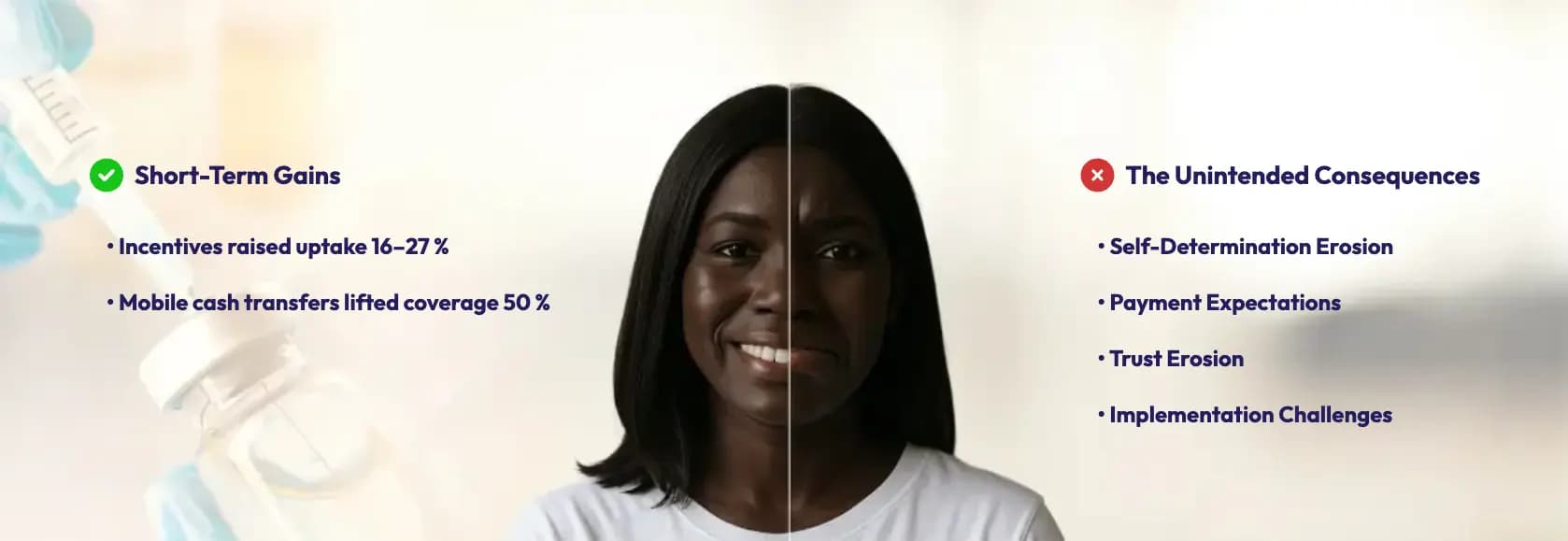
• Short-Term Gains, Long-Term Pain
Most studies demonstrated modest positive short-term effects on immunization uptake, with effect sizes varying substantially across different interventions and contexts. In Nigeria`s New Incentives program, vaccination uptake was 16-27 percentage points higher in incentive clinics. In Ghana, mobile phone-based cash transfers showed a 50 percentage point increase in vaccine coverage.
However, no studies showed sustained long-term impact, and several revealed troubling unintended consequences that should alarm global health leaders.
• The Unintended Consequences: Evidence from the Field
The research documented several critical concerns that challenge the fundamental assumption of incentive-based approaches:
1. Self-Determination Erosion: The clearest example came from Sierra Leone, where people who received a bracelet as a non-monetary symbolic reward and signal of immunization status were less likely to immunize subsequent children on time when incentives were withdrawn, leading to an approximate 5-11% reduction in motivation that persisted for years.
2. Payment Expectations: Multiple qualitative studies across Chad, Kenya, and Nigeria revealed that incentive programs created expectations of payment that undermined voluntary participation. As one study noted, communities began to see incentives as "a requirement for participation."
3. Trust Erosion: In Nigeria, caregivers became suspicious of free vaccines when other health services cost money, fundamentally hurting trust in the health system.
4. Implementation Challenges: The Kenya Afya cash transfer program experienced operational challenges that reduced its effectiveness. The electronic card reader system had significant delays, with most participants reporting that cash transfers were not received automatically upon attending appointments. Additionally, the program changed intra-household dynamics, with spouses sometimes expecting a share of the mothers' incentives. Some participants' family members felt that no one should be paid to attend appointments and that this could create problems with future attendance. Healthcare workers also had concerns, with some believing the program set a precedent that could create future problems with attendance and was not sustainable.
CIMA Care's Alternative:
Building Capacity, Not Dependency
Against this backdrop of global research concerns, CIMA Care's approach in northwest Cameroon emerges as an exemplar of sustainable innovation. Rather than offering financial incentives that create dependency, expectancy, and erosion of self-determination, CIMA Care focuses on empowering healthcare workers and parents through professional development and digital tools.
Dr. Cornelius Chebo, the Coordinator of EPI Northwest Cameroon, articulates this transformation: "CIMA Care's SMS reminder system has become a crucial lifeline in regions challenged by 'ghost town days' that disrupted regular vaccination schedules. The success is already evident in the Azire Health Area of the Bamenda Health District, where vaccination coverage rates have greatly improved. The dream of the region is to see this service extended to the whole region."
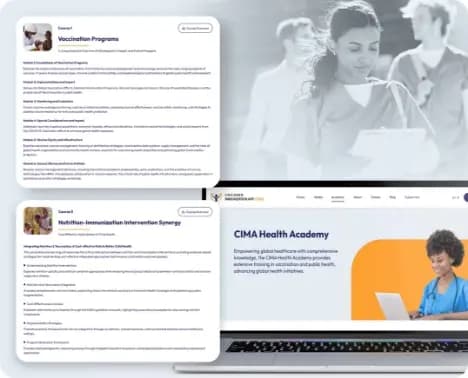
CIMA Care is leading sustainable healthcare transformation through professional empowerment rather than financial dependency.
CIMA Care’s Empowerment Model: Three Pillars of Sustainable Impact
CIMA Care's approach directly addresses each concern raised by the BMJ research through a comprehensive empowerment strategy:
1. Professional Development Over Financial Incentives
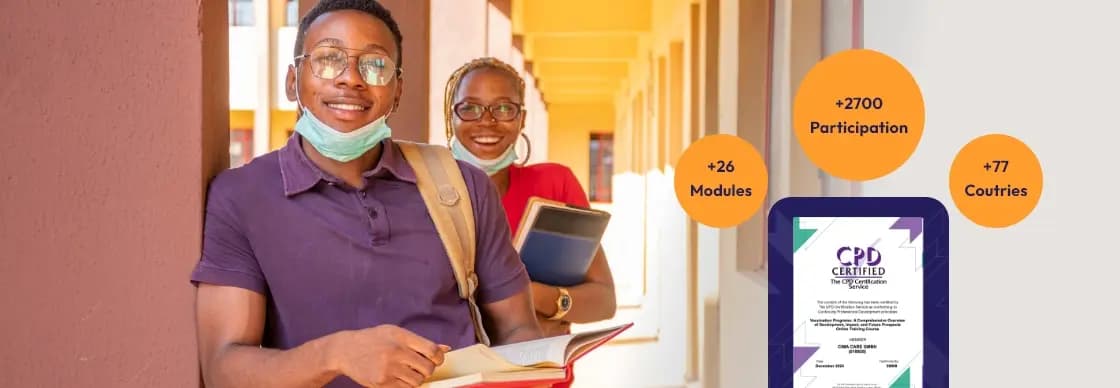
Rather than relying on monetary incentives, CIMA Health Academy empowers healthcare workers with CPD-certified training that not only strengthens professional credentials and career advancement but also fosters self-determination through advanced, evidence-based knowledge, equipping them with enough knowledge, courage, and confidence to play a decisive role in improving child health through vaccination. This builds intrinsic motivation through skill development rather than external rewards.
The impact is measurable:so far, over 2,731 healthcare professionals from 77+ countries have engaged with CIMA Health Academy's evidence-based curricula, and they can gain 11.72 CPD credits across 26 specialized modules.
2. Digital Innovation for System Strengthening:
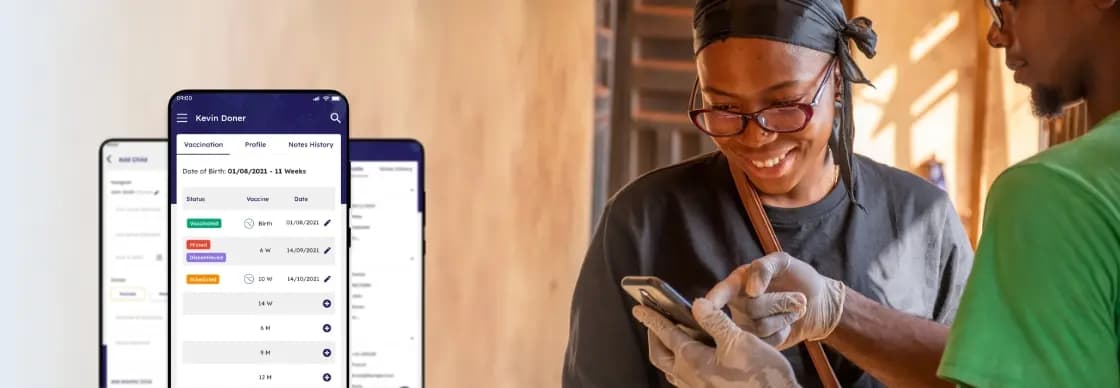
Rather than offering financial rewards to motivate healthcare workers, CIMA Care's digital platform provides cutting-edge professional tools that transform their effectiveness and elevate their expertise. These advanced technological capabilities empower healthcare workers to deliver premium care, generating profound intrinsic satisfaction through enhanced job performance and measurable community impact. The comprehensive digital ecosystem cultivates healthcare workers' professional distinction while amplifying their vital role as community health champions, fostering authentic self-determination and sustainable motivation.
The CIMA app creates sustainable engagement through:
Automated vaccination tracking with real-time defaulter identification
- Evidence-based health messaging incorporating UNODC, UNICEF, and WHO content
- Data visualization tools for resource optimization and strategic planning
- SMS reminder systems that support rather than replace healthcare worker engagement

Yayah Emerencia Ngah, (a PhD student at Texila American University)
"The nurses were excited to learn of this renovation to improve vaccination uptake."
3. Community Education Without Compensation

CIMA Care app health messages and CIMA Health Academy training empower parents and healthcare workers to enhance vaccination services without creating financial dependencies.
Instead of providing families with monetary incentives, CIMA Care focuses on education and empowerment. Through strategic SMS messages, parents receive guidance on child development milestones, proper nutrition, and effective parenting practices, reinforcing the benefits of vaccination and supporting children's overall growth and well-being.
As mentioned by Nurse Fongang Vera Imba, "Parents are deeply encouraged and uplifted by the support they receive through Cima Care's SMS messages, which provide valuable guidance on parenting and child development. Despite facing various challenges, these messages offer reassurance, helping parents stay informed and confident in their parenting journey."
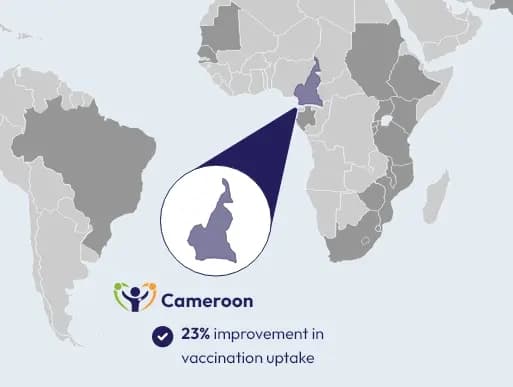
CIMA Care resulted in a 23% improvement in vaccination uptake in Cameroon's Bamenda Region through empowerment, not payments.
Measurable Results Without Dependency
CIMA Care represents a complementary approach to incentive-based models by achieving a 23% improvement in vaccination uptake in Cameroon's Bamenda Region through empowerment, not payments. [2] This success came in a region challenged by conflict and infrastructure limitations, precisely the contexts where sustainable approaches matter most.
Dr. Cornelius Chebo emphasizes the expanding impact: "Another health facility is coming on board! Welcome to the Atuakom Integrated Health Center of the Bamenda Health District. The number of family health facilities joining the CIMA project is growing. Many more families will be educated on parenting, using the UNODC and UNICEF parenting skills... Also, the health staff can access online CPD-UK-accredited courses and instantly see the list of defaulters to trace them. The implication is that more children are vaccinated, and fewer are missing out on vaccines. All this is thanks to the CIMA Project."
Addressing Research Concerns Through Design
CIMA Care's approach directly addresses each major concern identified in the BMJ research:

Mothers and nurse Ngwafu Joan gather at Bamenda hospital for CIMA Care-supported vaccination sessions, where digital innovation empowers families without creating financial dependencies.
Motivation Crowding-Out:
Professional development and education enhance intrinsic motivation rather than replacing it with external rewards.
Payment Expectations:
No financial incentives mean no expectation of payment for routine healthcare activities.
Trust Building:
Through improved healthcare quality and valuable digital services, CIMA Care actively builds community trust in health systems, fostering stronger relationships between healthcare providers and the communities they serve.
Sustainability:
Digital tools and trained healthcare workers create lasting improvements to health system capacity that persist beyond project funding.
Global Implications:
A Model for Sustainable Change
The BMJ researchers conclude with a critical recommendation: "Future programmes should be co-designed with communities, consider locally acceptable non-monetary alternatives, incorporate strategies to maintain intrinsic motivation, and ensure sustainable implementation within existing health systems."
CIMA Care's experience in northwest Cameroon embodies exactly this vision. By focusing on empowerment over incentives, education over compensation, and capacity building over dependency creation, CIMA Care demonstrates that sustainable vaccination improvement is possible without the unintended consequences that plague incentive-based approaches.
TAssociate Professor George Ikomey Mondinde, PhD, of the Virus/Immunology Unit at the University of Yaoundé 1, affirms this impact: "The CIMA project has demonstrated the usefulness of the reminder app in improving vaccine coverage in Cameroon, particularly in the crisis-hit zones of Bamenda in the Northwest region."


Digital transformation in action: CIMA Care's platform creates sustainable healthcare improvements that last beyond any funding cycle.
The Path Forward:
Choosing Empowerment Over Dependency
As the global health community grapples with the evidence on incentive programs, CIMA Care's approach offers a roadmap for sustainable impact. The choice is clear: we can continue down the path of financial incentives that create short-term gains but long-term dependencies, or we can invest in empowerment approaches that build lasting capacity within health systems.
The question is not whether incentives work in the short term; the BMJ research confirms they often do. The question is whether we are building sustainable health systems or creating cycles of dependency that ultimately undermine the very goals we seek to achieve.
In northwest Cameroon, healthcare workers are choosing empowerment over dependency, and the outcomes reflect their decision. It Is time for the global health community to adopt this capacity-building approach instead of perpetuating dependency-creating incentive programs.
Learn more about CIMA Care's empowerment approach and its sustainable impact on global health at:
Resources
- 1- Saunders MJ, Pereboom M, Alvarez JL, Sherlock M, Kartini Gadroen. Incentives in immunisation campaigns in low- and middle-income countries: a scoping review mapping evidence on effectiveness and unintended consequences. BMJ Global Health [Internet]. 2025 Jun 1 [cited 2025 Aug 20];10(6):e019662–2. Available from: Incentives in immunisation campaigns in low- and middle-income countries: a scoping review mapping evidence on effectiveness and unintended consequences
2- Yayah Emerencia Ngah , George Ikomey Mondinde , Rasa Nikooifard , Cornelius Chebo , Shalom Tchokfe Ndoula , Ujjwal Neogi , Claudia Hanson , Tobias Alfven , Eresso Aga , Wadih Mallouf , Ziad El-Khatib; Enhancing vaccination uptake and parenting education through automated SMS service: A non-RCT pilot study in Bamenda, Cameroon; Mediterranean Life Sciences Union Annual Meeting (MedLIFE-24), Istanbul, Türkiye, December 2024