
AI-Powered Vaccination: Balancing Innovation, Ethics, and Global Health Impact
|
July 15, 2025 . 7 Minutes read
The Smart Immunization Future: AI Global Health Transformation, Ethics, and SWOT Analysis
The intersection of artificial intelligence (AI) and vaccination represents one of the most promising yet complex frontiers in healthcare. As global immunization efforts face unprecedented challenges, from pandemic recovery to vaccine hesitancy, AI emerges as both a robust solution and an ethical responsibility. The DataKind & Gavi 2024 report confirms that AI and data science tools are enhancing vaccine coverage, equity, and efficiency. [1] Meanwhile, WHO guidance and Gavi reports emphasize the role of AI in reducing administrative and financial burdens, as well as improving vaccine program efficiency. [2] However, this technological revolution demands careful navigation of ethical considerations, strategic planning, and evidence-based implementation.
The Transformative Utility of AI in Vaccination Programs
Artificial intelligence is fundamentally transforming vaccination programs across multiple domains, with particularly significant advances in predictive analytics for optimal coverage, accelerated vaccine development timelines, and personalized immunization strategies. From reducing stockouts by 80% in India to shortening vaccine discovery from years to months, these AI applications demonstrate measurable impact through sophisticated algorithms that enhance efficiency, reduce costs, and improve health outcomes globally.
1. Enhanced Predictive Analytics, Cost Reduction, and Coverage Optimization
Artificial intelligence has revolutionized vaccination program management through sophisticated predictive modeling.
- The Ethiopian Measles Vaccination Study (BMJ Open, 2024) showed that Machine learning (XGBoost) achieved an accuracy of 73.9% and an AUC (Area Under the Curve) value of 0.813 in predicting measles vaccination dropout. Factors like maternal age, education, and regional disparities were identified as key predictors. [3]
- According to the DataKind & Gavi Report (2024), a case study in Niger cites an instance where Machine Learning increased vaccine availability from 69% to 100% and reduced costs by 34%. [1]
- India’s Electronic Vaccine Intelligence Network (eVIN) in India leverages AI-powered algorithms to track real-time information on vaccine inventories, storage temperatures, and distribution logistics across its extensive healthcare system. This platform has optimized the vaccine supply chain, resulting in an 80% reduction in stockouts. [4]
- Findings show that AI-based models using household survey data and geospatial information have proven highly effective in predictive analysis and microplanning. Prominent cases from Bangladesh, Nigeria, and the United States demonstrate the effectiveness of these methods in identifying under-immunized populations and optimizing vaccine allocation. [5]
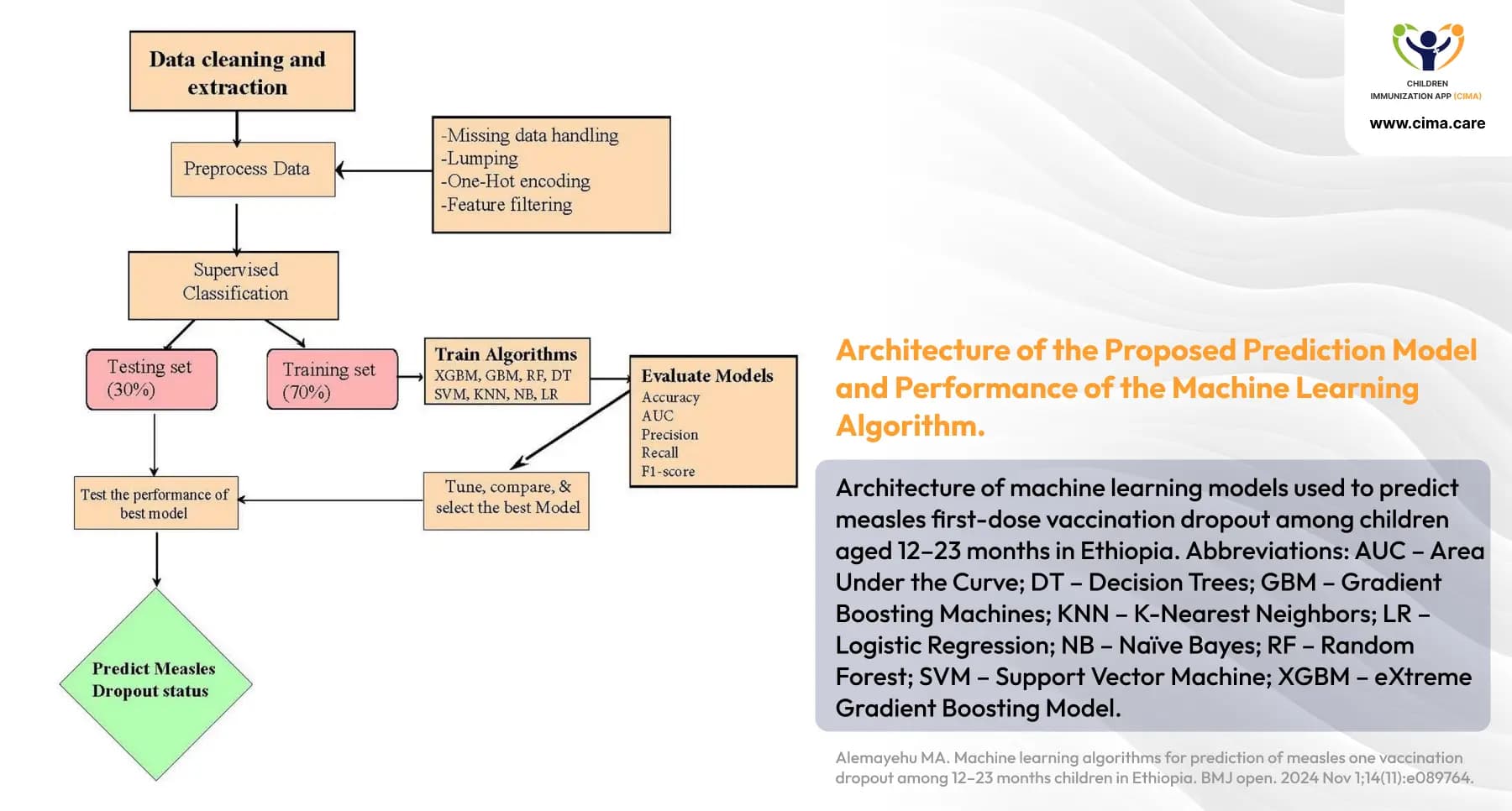
AI-powered machine learning workflow predicting measles vaccination dropout with 73.9% accuracy.
2. Accelerated Vaccine Development
AI has revolutionized the vaccine development lifecycle, shortening timelines from years to months through computational
innovations. [15] DeepMind's AlphaFold algorithm has made major progress in determining protein structures related to SARS-CoV-2 and in supporting vaccine development. Conventional methods such as X-ray crystallography and cryo-electron microscopy require significant time and labor. In comparison, AlphaFold uses a convolutional neural network trained on data from the Protein Data Bank to predict protein structures reliably. This algorithm has been widely applied in identifying potential drug candidates for cancer, Alzheimer's disease, and vaccine research. [6]
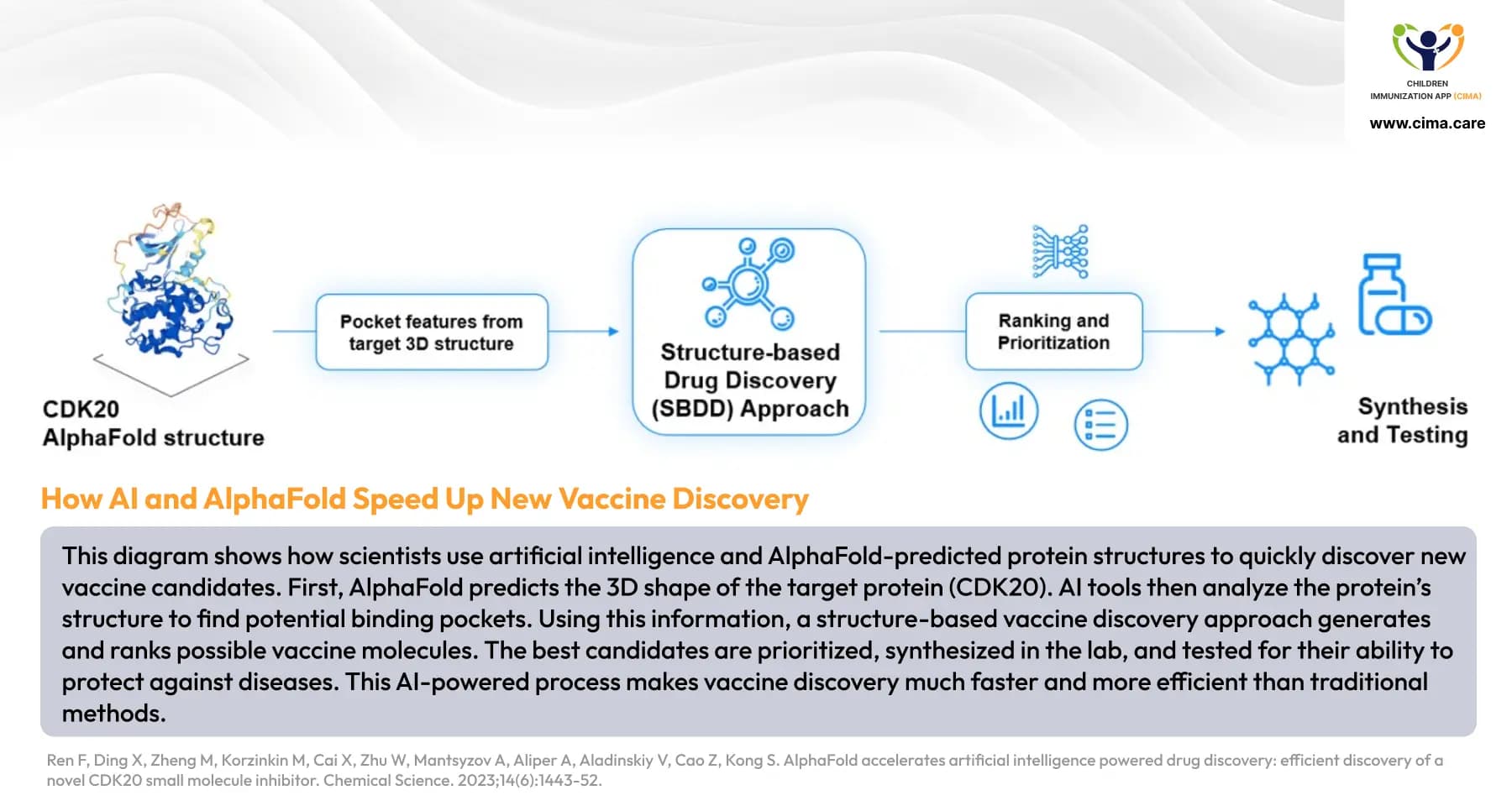
The AlphaFold AI workflow significantly reduces vaccine discovery development time from years to months.
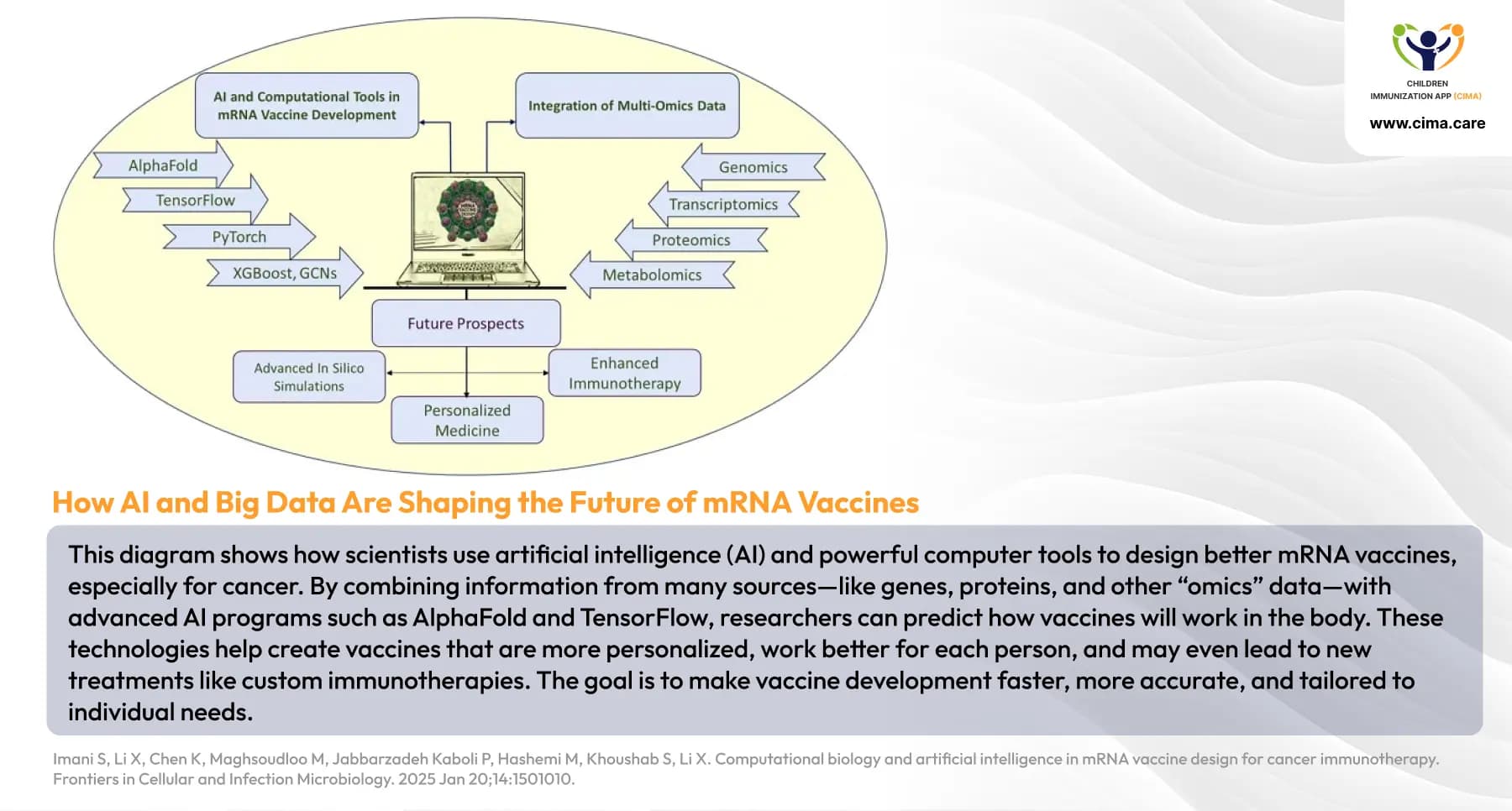
AI-powered multi-omics approach revolutionizes personalized mRNA vaccine development.
3. Personalized Vaccination Strategies
- AI facilitates precise epitope design, optimizes mRNA and DNA vaccine instructions, and enables personalized vaccine strategies by predicting patient responses. Moreover, AI technologies help navigate complex biological datasets to uncover novel therapeutic targets, improving the precision and efficacy of cancer vaccines. [7]
- AI enhances precision vaccine design and the development of personalized vaccines, focusing on antigen selection, adjuvant identification, and optimization. Additionally, AI algorithms leverage genomic data, protein structures, and immune system interactions to predict antigenic epitopes and assess immunogenicity. [8] AI processing of genetic markers, health records, and immune profiles empowers precise prediction of individual treatment responses, aligning with personalized vaccine timing and patient stratification. [9]
- Integrating genomics, proteomics, and immunology with AI enables personalized vaccine design tailored to individual genetic and immune profiles, boosting efficacy and safety. [10]
Ethical and Safety Concerns: Navigating AI Responsibility in Healthcare
- The expanding role of AI in medicine and public health highlights its value in enhancing disease management, facilitating the early detection of outbreaks, optimizing resource management, and improving emergency response. However, this rapid advancement also brings forward critical ethical and safety challenges.
In the context of vaccine development, ethical concerns mainly revolve around data privacy, algorithmic bias, and health equity. AI systems often rely on large datasets, including sensitive health records and genetic information, making the protection of personal data a pressing priority. Additionally, disparities in healthcare access can lead to data that may not accurately represent all populations equally, favoring those with better access to services. This can introduce bias into vaccine development, potentially reducing the safety and effectiveness of vaccines for underrepresented groups. On a broader scale, such disparities may deepen the healthcare divide between high-income and low-income nations. To prevent this, it is essential to apply AI responsibly, ensuring equitable benefits for all populations and working towards minimizing global health inequalities. - Without strong regulatory frameworks and consistent oversight, the use of AI in vaccine research and distribution could pose serious ethical and safety risks. In response, international efforts, such as those coordinated by the World Health Organization and national initiatives, have been introduced to help govern the ethical use of AI in this field. [6] Moreover, specialized training programs are essential for healthcare workers to deploy AI tools ethically. Clinicians using AI as a "complement, not replacement," can achieve better diagnostic accuracy and improved patient communication. [11] And while generative AI can streamline workflows (e.g., reducing administrative tasks), human validation and shared knowledge between technologists and health workers are critical for successful AI integration in vaccine programs. [1]
- The Cambridge Handbook of the Law, Ethics, and Policy of Artificial Intelligence (2025) outlines essential principles for the responsible use of AI in healthcare, emphasizing transparency, accountability, and human oversight to minimize AI-related errors. It highlights transparency through open documentation of algorithms and data sources, enforces accountability via legal and audit mechanisms, and mandates clinician oversight to ensure safe implementation. Additionally, the Handbook emphasizes data protection, patient privacy, and fairness, stressing the need for representative datasets and regulatory compliance under frameworks such as the GDPR to uphold equity and safeguard sensitive health data. [12]
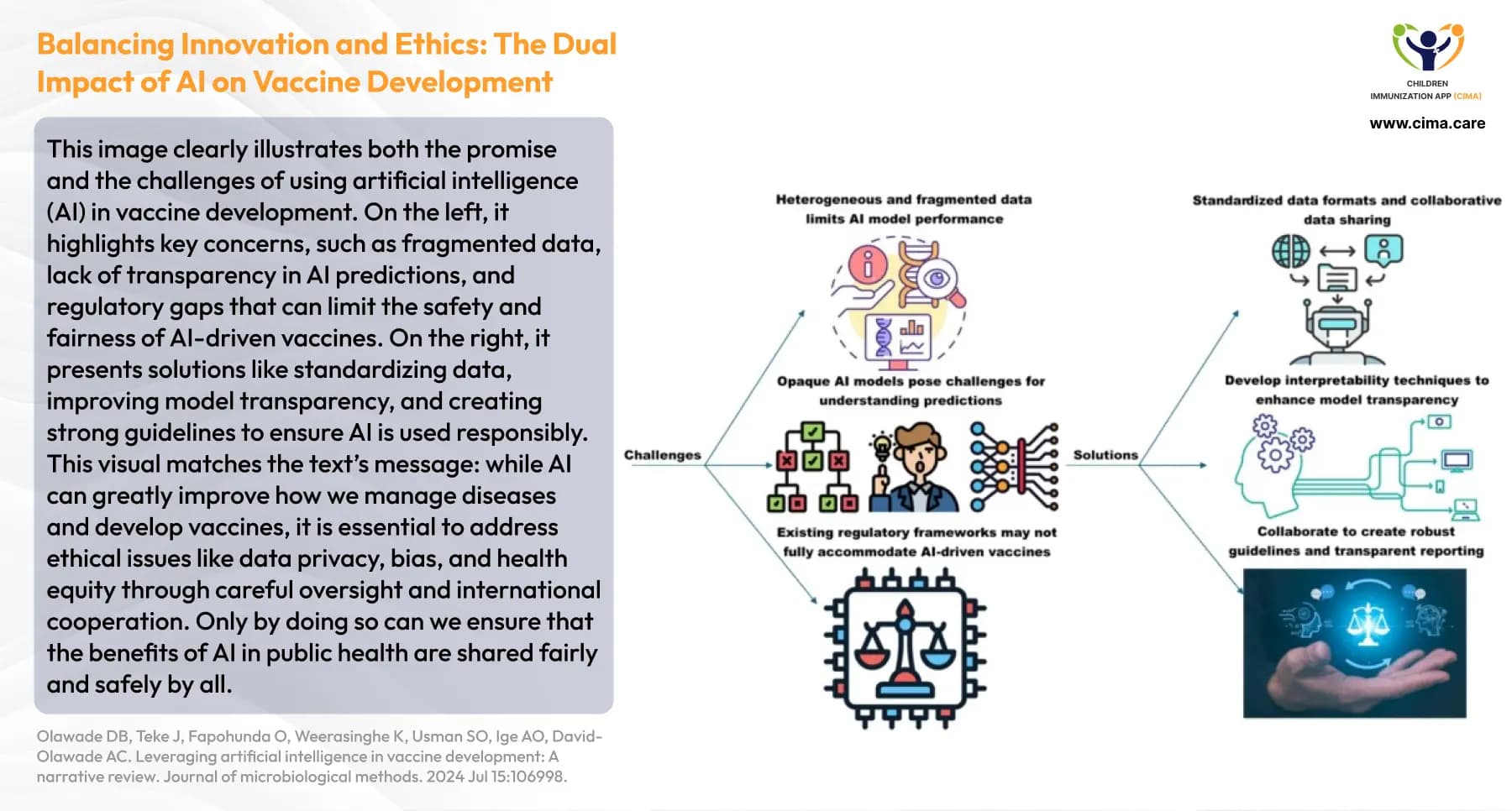
Ethical AI vaccine development: addressing challenges through responsible solutions.
Strategic SWOT Analysis: AI in Vaccination Programs
This comprehensive SWOT analysis examines AI's strategic positioning in vaccination programs, balancing demonstrated strengths against critical weaknesses. The analysis reveals significant opportunities while identifying persistent threats that require proactive mitigation strategies.
• Strengths
- 1. AI-Driven Efficiency in Immunization Programs
AI platforms developed data summaries for real-time monitoring of vaccination progress, enabling targeted interventions in high-risk populations. For example, in Pakistan, electronic health records (EHRs) increased vaccination coverage from 44% to 88% and improved geographical coverage by 85% through data-driven decisions. AI also reduced errors by optimizing outreach and resource allocation, though exact error-reduction metrics are unspecified. [13] - 2. Real-Time Data for Adaptive Strategies
AI enables real-time monitoring of social media and news outlets to detect vaccine hesitancy hotspots, informing dynamic public health campaigns. Integrated data platforms enable immediate adjustments to vaccine distribution and demand-generation strategies. [1] - 3. AI-Powered Personalized Engagement and Behavior Change
AI is increasingly demonstrating its power to influence real-world health behavior. For example, a 2024 cluster-randomized trial in China found that an AI-driven vaccine chatbot for parents nearly quadrupled HPV vaccination initiation among middle-school girls, from 1.8% to 7.1%, compared to standard outreach. Beyond higher uptake, the chatbot also significantly boosted vaccine literacy and prompted more parents to seek professional health advice. This case underscores AI’s potential to deliver interactive, personalized guidance that effectively addresses vaccine hesitancy and improves public health outcomes. [14] - 4. Accelerated Vaccine Development and Enhanced Safety Monitoring
AI has dramatically shortened vaccine development timelines by enabling rapid in silico screening of antigen candidates, optimizing clinical trial design, and simplifying manufacturing simulations. For example, deep learning models for epitope prediction and adaptive trial techniques enable researchers to identify promising vaccine candidates and adjust dosing strategies in real time, thereby reducing erosion and improving resource utilization. Furthermore, AI-powered analytics promote continuous safety monitoring during trials and post-marketing surveillance, enabling earlier detection of adverse events and more agile risk management. These capabilities not only expedite the path from discovery to deployment but also improve the overall safety and efficacy of immunization programs by supporting evidence-based, data-driven decisions at every stage. [15]
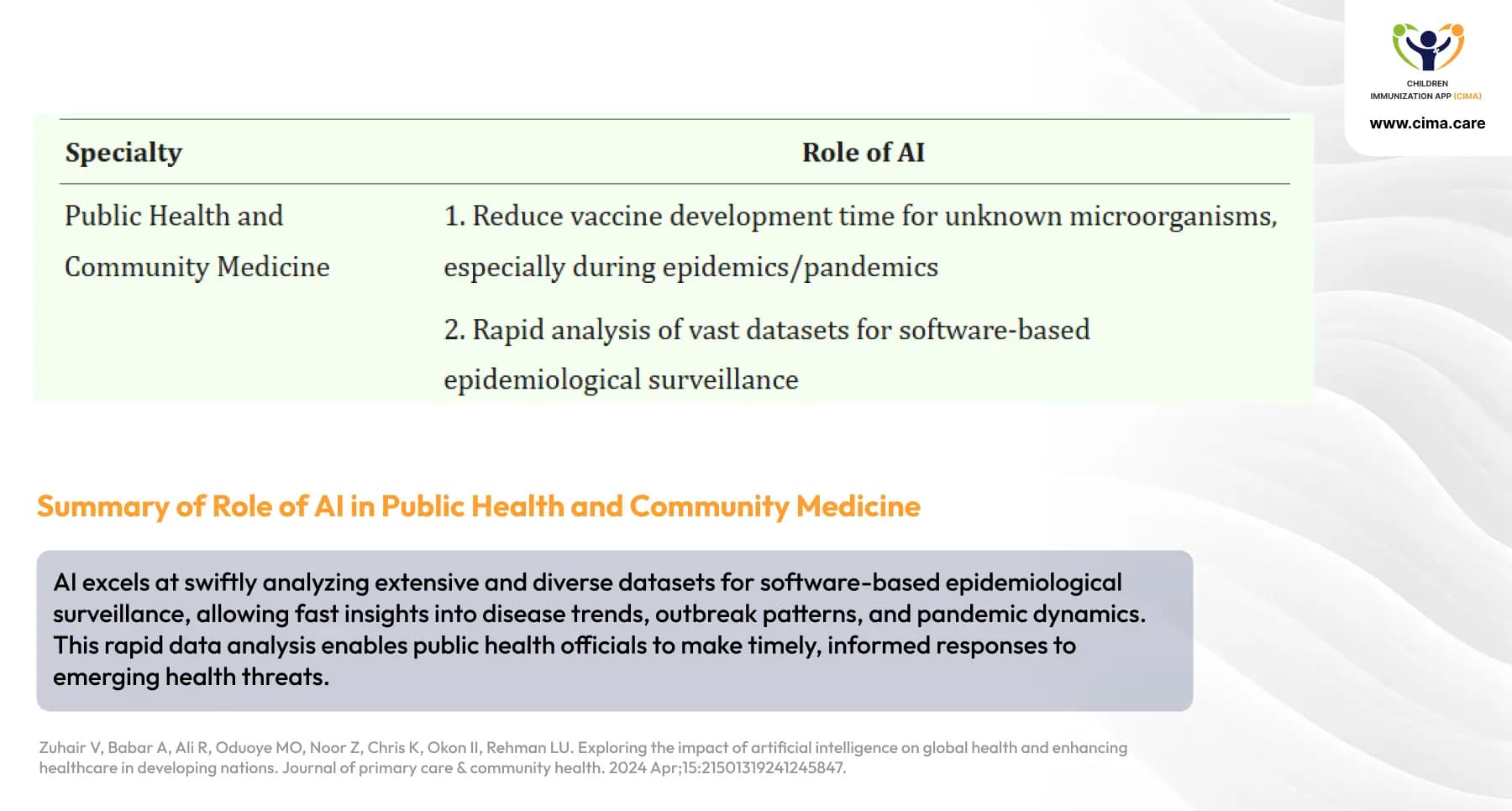
AI boosts vaccine coverage, enables real-time and safety monitoring, changes behavior, & accelerates vaccine development.
• Weaknesses
- 1. Technical Infrastructure Requirements
Deploying AI in immunology and vaccination programs presents significant challenges in low-resource settings. Most regions lack the necessary digital infrastructure—such as reliable electricity, internet connectivity, and robust data systems—to support AI implementation at scale. This "digital divide" is a primary barrier, with recent reviews highlighting that infrastructure gaps are a leading reason why AI innovations have not yet reached many low- and middle-income countries. [16 & 17 & 18] High initial investment costs for hardware, software, and secure data storage further limit access, while ongoing maintenance requires specialized technical expertise that is often unavailable locally. [16 & 17] - 2. Data Quality Dependencies
The accuracy of AI in immunology and vaccination programs is highly dependent on the quality and completeness of the input data. Incomplete or inconsistent vaccination records can significantly reduce the predictive power and reliability of AI models. For example, a 2024 study using machine learning to predict incomplete immunization among children in East Africa found that data gaps and inconsistencies were major barriers to model performance, with the best-performing model (XGBoost) achieving 79% accuracy but still limited by missing or poor-quality data. [19] Broader reviews confirm that poor data quality introduces bias, reduces generalizability, and can lead to unreliable or inequitable outcomes in clinical and public health settings. [20] Furthermore, integrating AI with legacy health information systems remains a persistent technical and strategic challenge, as these older systems often store data in incompatible formats, create data silos, and lack the infrastructure needed for robust, real-time analytics. [21] - 3. Healthcare Worker Training Needs
The successful implementation of AI in immunology requires comprehensive staff education and ongoing professional development. Multiple recent studies and surveys have highlighted that a significant proportion of healthcare workers receive insufficient training and lack confidence in using AI tools in clinical settings. For example, a 2024 survey and training needs analysis at a U.S. medical school found that faculty and students identified significant gaps in AI knowledge and expressed a strong preference for structured, hands-on training programs tailored to their roles. [22] A 2025 systematic review further highlights that most healthcare professionals achieve AI skills independently, strengthening the need for formalized and standardized curricula to support safe and effective AI integration in clinical practice. [23] Resistance to change and concerns about workflow disturbance remain common barriers to adoption, especially among frontline healthcare workers. [24] Upskilling and continued support are thus essential to maximize the benefits of AI and ensure equitable, confident use across the workforce. - 4. Data Privacy, Security, and Algorithmic Bias
AI systems in immunology and vaccinology require access to large volumes of sensitive patient data, raising significant concerns about privacy, security, and the ethical use of this data. The risk of data breaches and unauthorized access has increased as health data becomes a target for cyberattacks and commercial exploitation. Furthermore, AI models can inadvertently amplify existing biases if their training data underrepresents specific populations, leading to inequitable recommendations or reduced efficacy in minority groups. Data poisoning and deliberate manipulation of training data also pose a risk to the reliability of AI-driven outputs. These vulnerabilities not only risk patient confidentiality but can also erode trust in AI-powered healthcare solutions and limit their acceptance among clinicians and the public. Addressing these weaknesses requires robust cybersecurity protocols, transparent data management, and ongoing audits to detect and mitigate bias. [25 & 15 & 26]
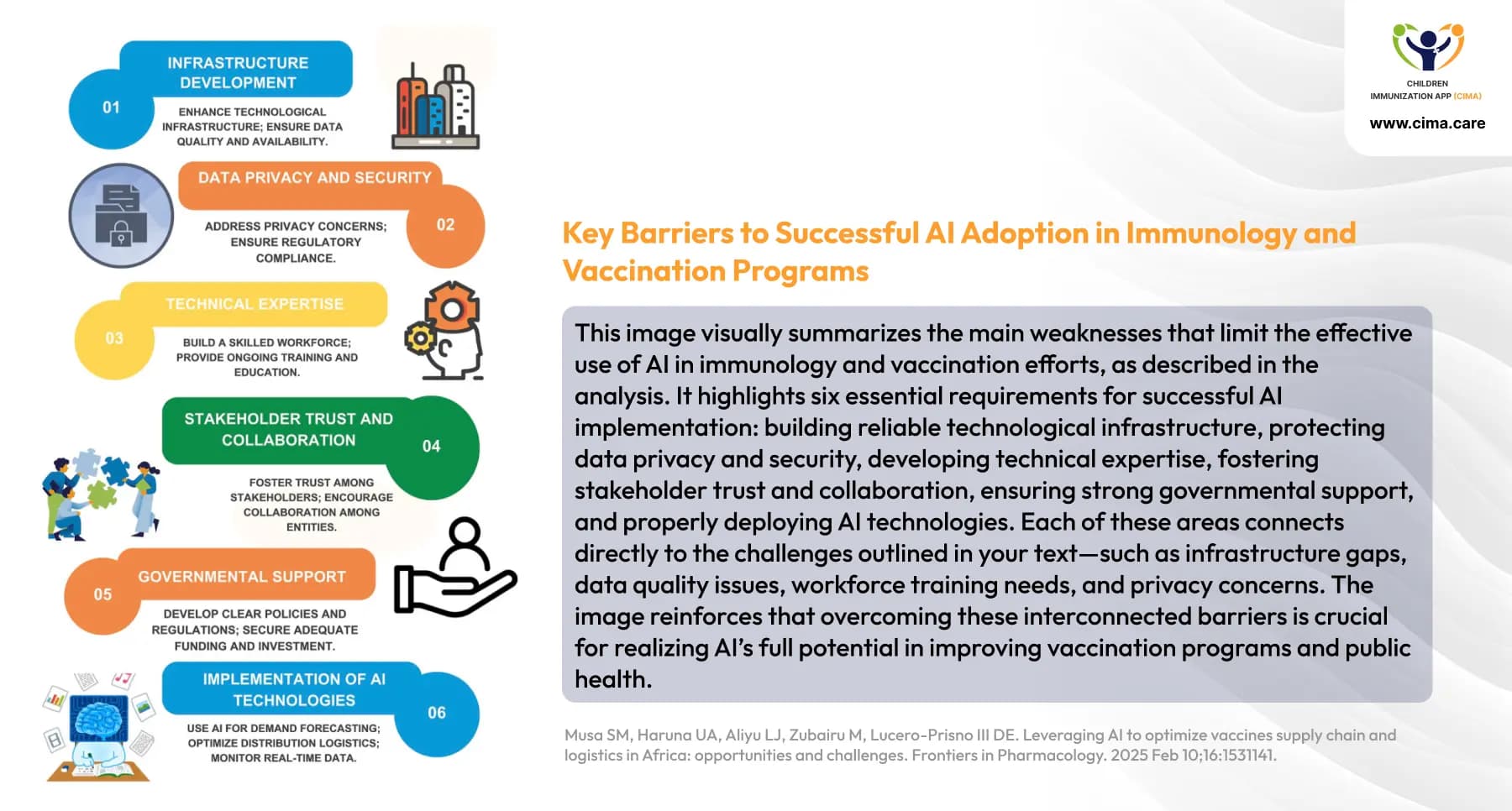
AI-powered machine learning workflow predicting measles vaccination dropout with 73.9% accuracy.
• Opportunities
- 1. AI-Enhanced Vaccine Supply Chains & Cold‑Chain Integrity
AI presents a powerful opportunity to revolutionize vaccine and immunization logistics by empowering real-time, data-driven supply chains. Through predictive analytics, AI systems can forecast vaccine demand, automate replenishment, and prevent stock-outs. Advanced quality-control tools continuously monitor temperature-sensitive vaccines and track expiration dates, safeguarding their potency and reducing waste. [27] Furthermore, adaptive “agentic” AI dynamically adjusts procurement and distribution based on local vaccination needs, thereby increasing efficiency and responsiveness, particularly in underserved regions. [28] - 2. AI-Driven Cost Reduction in Immunization Programs
AI technologies are opening new levels of cost efficiency across the immunization landscape. By automating routine administrative tasks, optimizing supply chain logistics, and enabling precise demand forecasting, AI helps reduce operational fees and resource waste. For instance, pharmaceutical giants like Pfizer and Johnson & Johnson have leveraged AI-based predictive analytics to streamline inventory management and logistics, achieving transportation cost reductions of up to 20% and significant improvements in delivery timelines. [29] In resource-limited settings, AI-powered supply chain models minimize vaccine wastage and lower the cost per dose delivered, making advanced immunization tools more accessible and sustainable for low- and middle-income countries. [30]
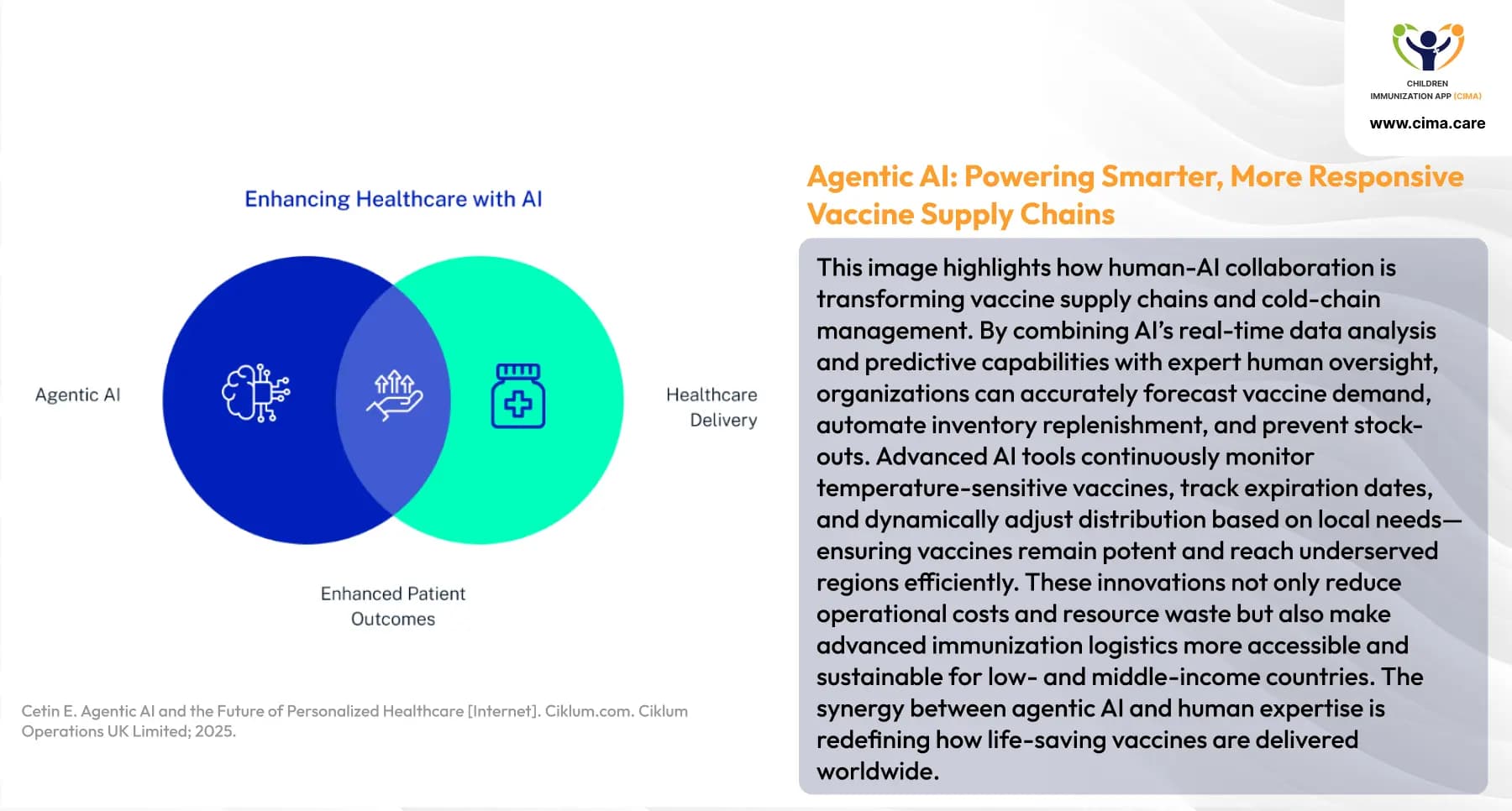
Agentic AI transforms vaccine supply chains with real-time monitoring & cost reduction.
• Threats
- 1. Cybersecurity and Data Breaches
In 2024, the healthcare sector experienced the highest number of cyber threats among all critical infrastructure industries, with 444 reported incidents, including 238 ransomware threats and 206 data breaches. [31]
In 2024, 92% of healthcare organizations reported experiencing at least one cyberattack, representing a 278% increase in ransomware attacks since 2018. [32]
The American Hospital Association and the FBI confirm that healthcare faced the highest combined total of ransomware and data theft attacks in 2024. [31] - 2. Algorithmic Bias and Health Disparities
Uncorrected AI bias can significantly reduce the efficacy of vaccination outreach and coverage among minority populations. Systematic reviews and case studies document substantial disparities when AI models are not properly validated across diverse groups. [33]
Additionally, historical healthcare discrimination may be encoded into algorithms, as models trained on legacy data can inadvertently reflect and reinforce past inequities, further entrenching existing disparities in immunization and care. [34] - 3. Regulatory and Compliance Challenges
AI adoption in immunology faces major hurdles due to changing and inconsistent regulations. Laws and regulations regarding AI in healthcare are evolving rapidly, but they differ significantly from country to country, making it challenging for organizations to utilize AI systems globally. [35] For example, the EU’s new AI Act sets strict rules for healthcare AI, while many countries have few or no specific laws. [36] These differences create confusion and additional costs for companies attempting to comply with rules in multiple locations. [37]
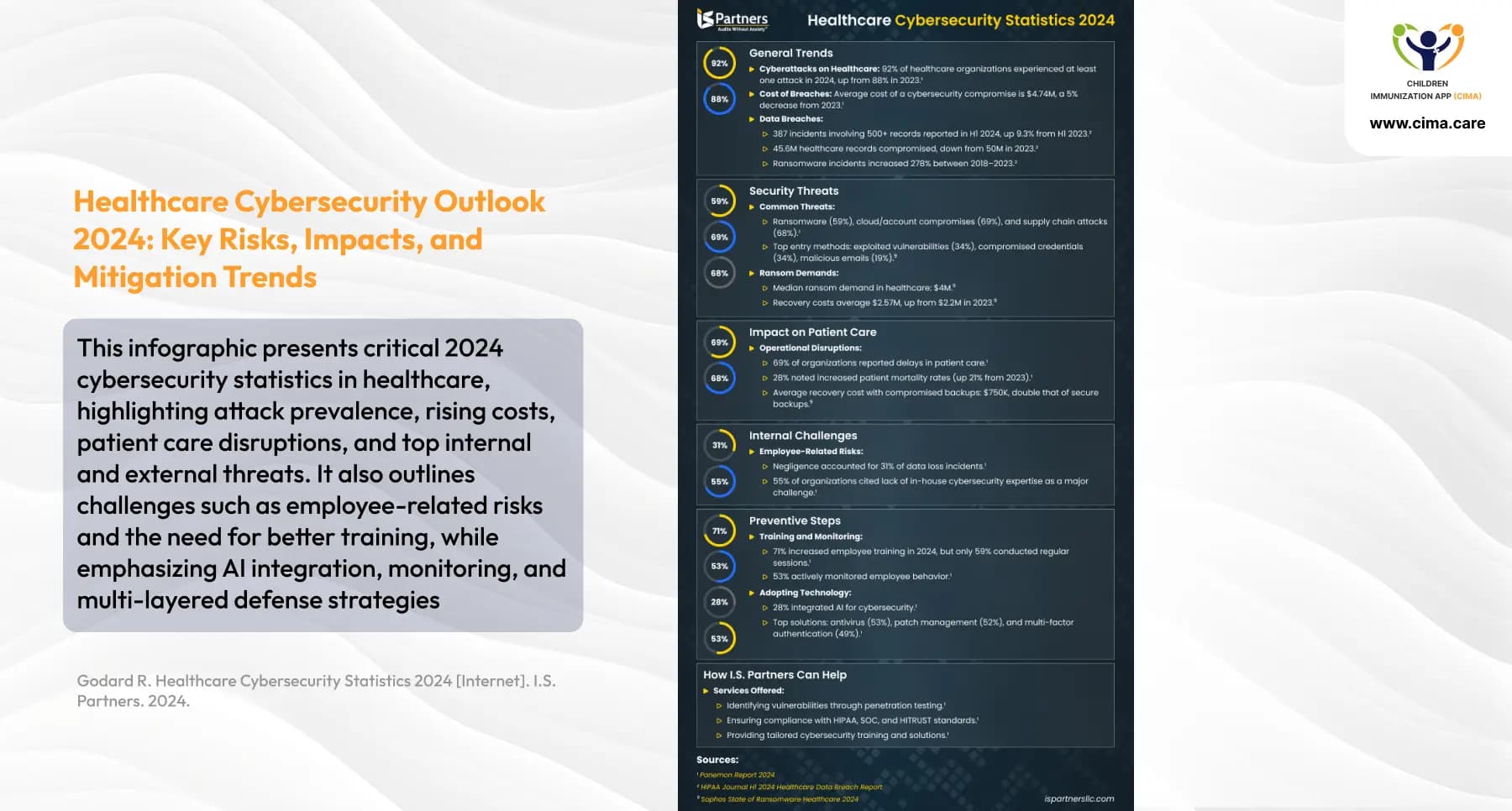
Healthcare faces cyber crisis: Rising attacks, ransomware surge & more since 2018.
Conclusion: Implementing AI-Enhanced Vaccination for Global Health Equity
The integration of artificial intelligence into vaccination programs represents a transformative opportunity to address global health challenges while upholding the highest ethical standards. The evidence overwhelmingly supports AI's utility in improving vaccination coverage, reducing administrative burden, and enhancing outbreak prevention capabilities. However, successful implementation requires careful attention to ethical frameworks, strategic planning, and human-centered design principles.
AI-enhanced vaccination: bridging digital innovation with global health equity worldwide.
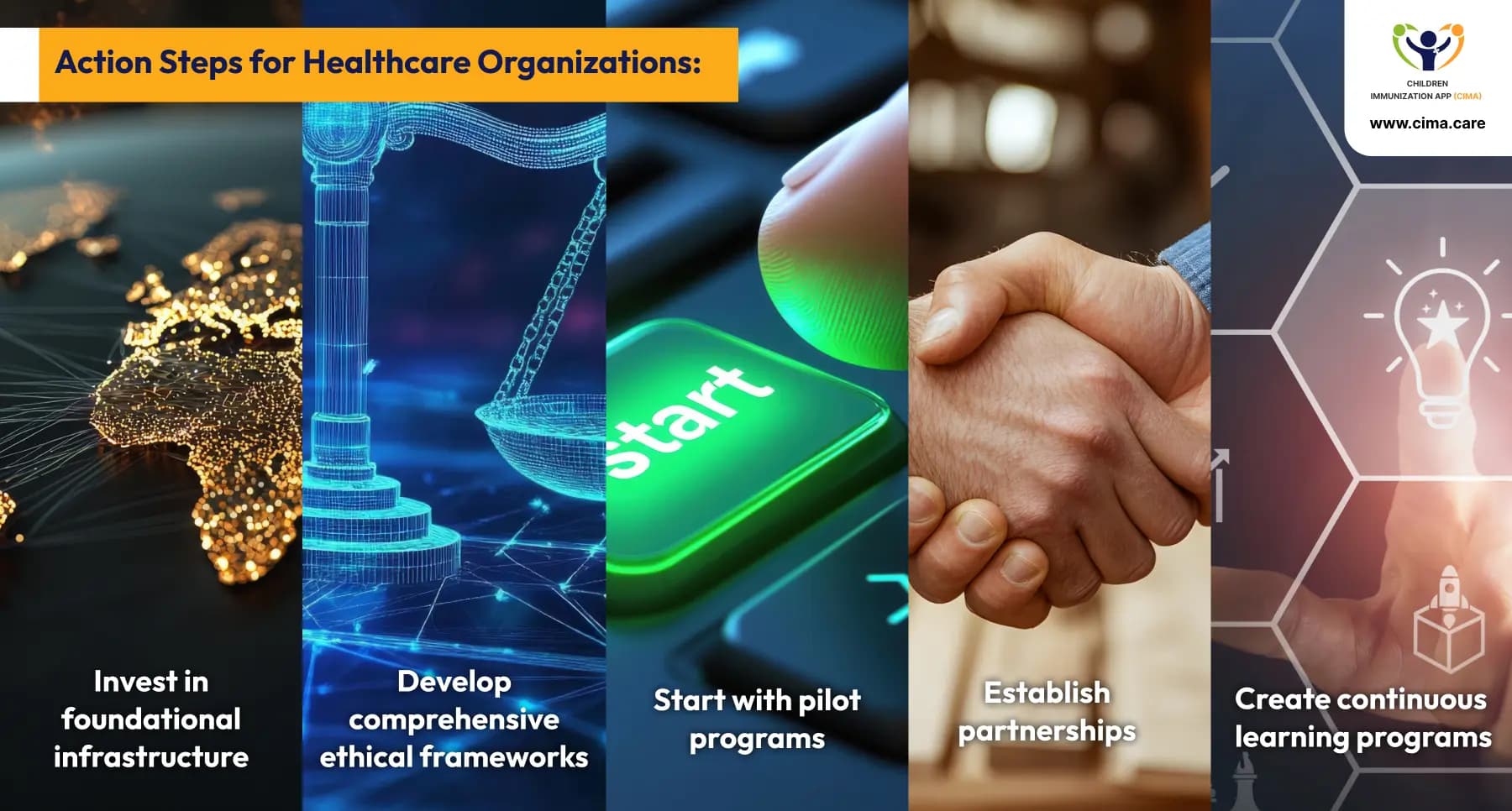
Healthcare AI implementation roadmap: infrastructure, ethics, pilots, partnerships & learning
Action Steps for Healthcare Organizations:
- 1. Invest in foundational infrastructure and staff training before implementing AI solutions.
- 2. Develop comprehensive ethical frameworks with bias detection and privacy protection protocols.
- 3. Start with pilot programs that demonstrate clear value while building organizational capacity.
- 4. Establish partnerships with technology providers who prioritize healthcare equity and ethical implementation.
- 5. Create continuous learning programs to keep staff current with rapidly evolving AI capabilities. [39]
CIMA Care's Ethical AI Implementation: A Model for Responsible Innovation
CIMA Care presents responsible AI implementation through adherence to the principles outlined in the Cambridge Handbook and its commitment to human-centered design. Operating at the "teacher assistance level" of automation, CIMA Care ensures that AI enhances rather than replaces human expertise in vaccination programs. [38]
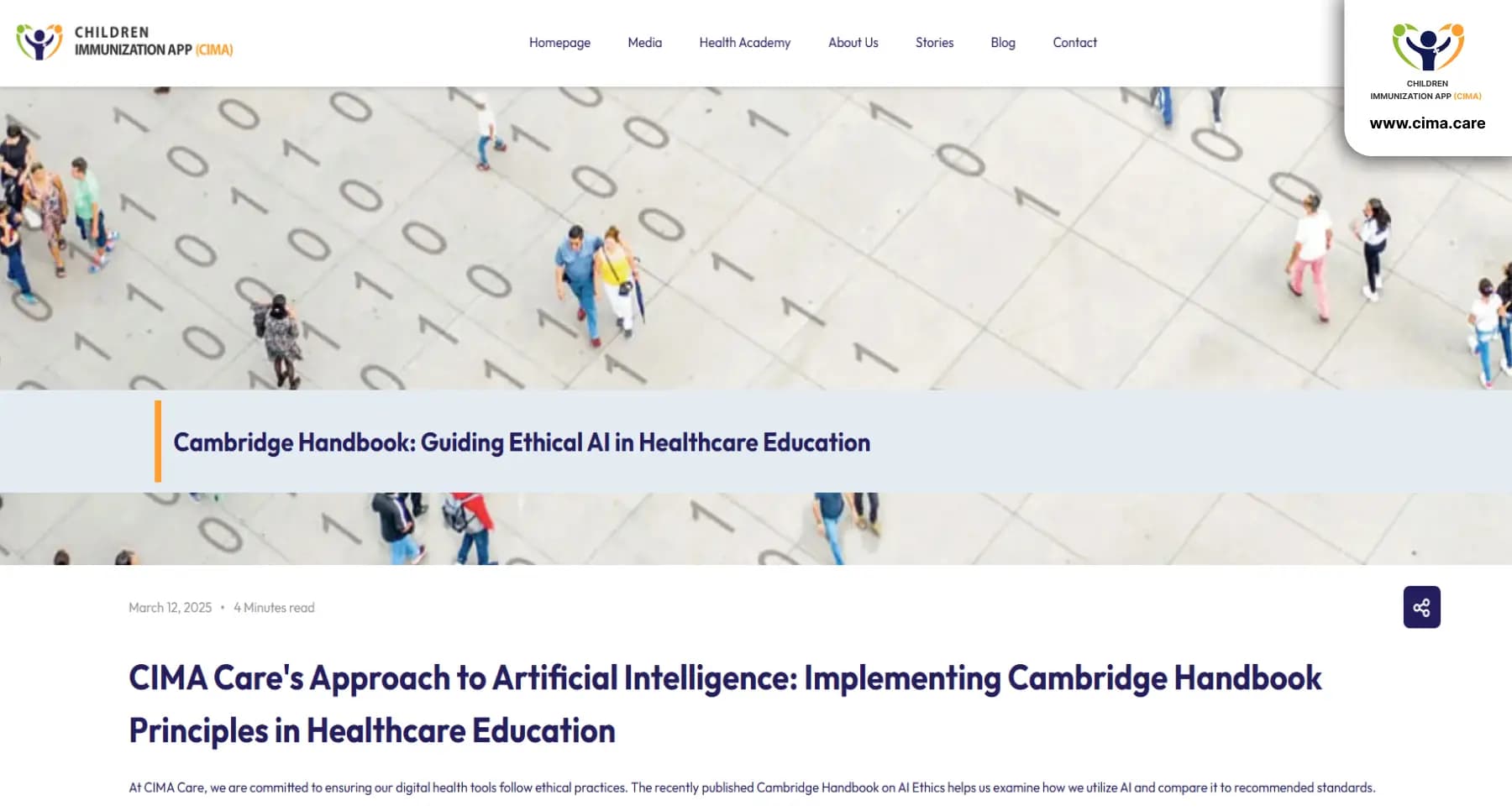
CIMA Care navigates AI implementation guided by the ethical principles outlined in the Cambridge Handbook.
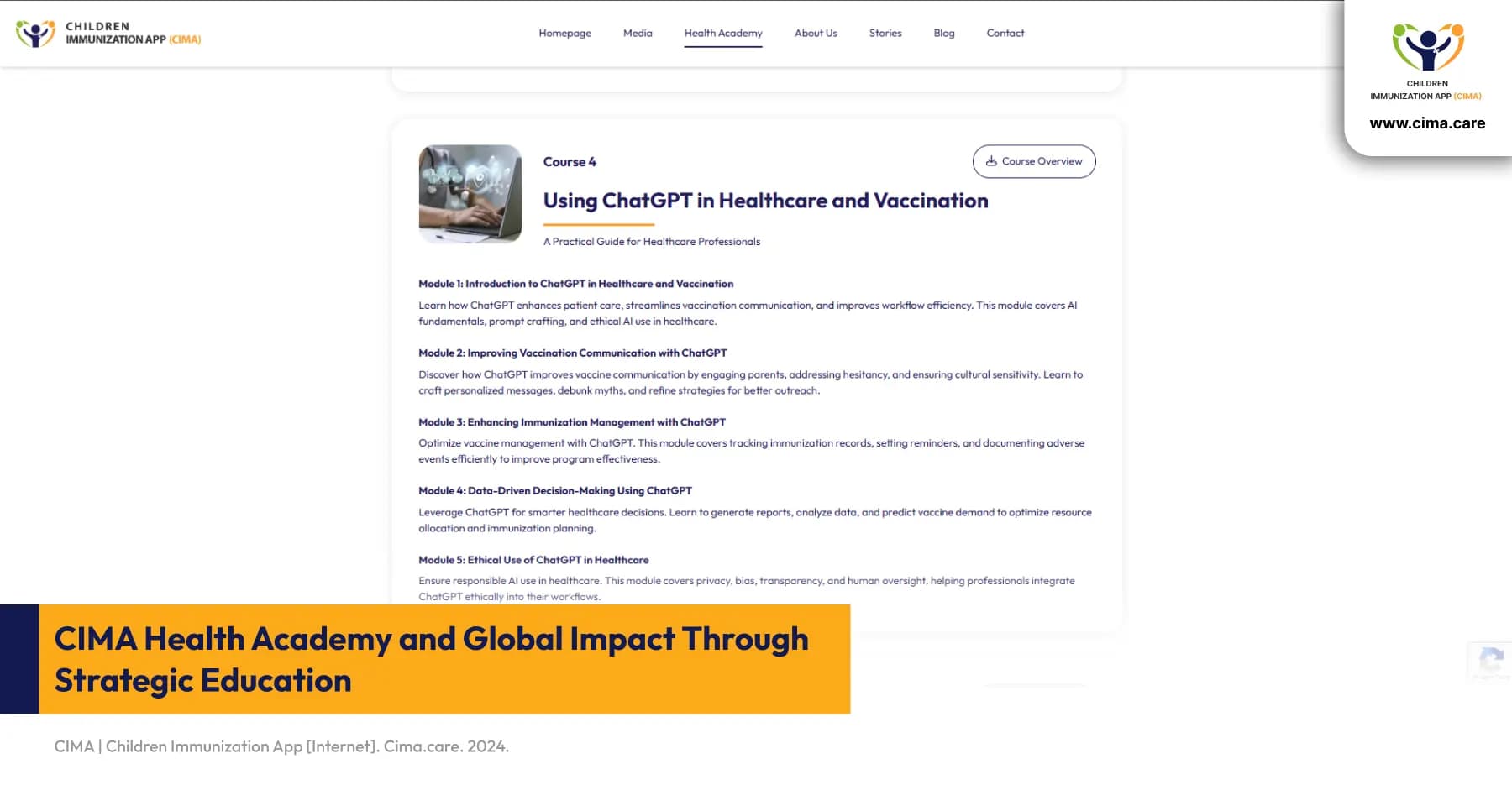
CIMA's flagship ChatGPT course: 5 modules training global healthcare professionals.
CIMA Health Academy and Global Impact Through Strategic Education
With operations across 74+ countries and over 2600 participants enrolled in educational programs, CIMA Care demonstrates that comprehensive education can achieve significant scale while maintaining the highest quality and cultural sensitivity standards. The platform's flagship course, "Using ChatGPT in Healthcare and Vaccination: A Practical Guide for Healthcare Professionals," exemplifies this commitment, addressing the critical knowledge gap in AI literacy among healthcare professionals. It provides practical training in prompt crafting, ethical AI implementation, vaccine communication enhancement, and data-driven decision-making. Through five comprehensive modules covering everything from ChatGPT fundamentals to advanced immunization management applications, healthcare professionals gain the confidence and competence to leverage AI tools responsibly in their daily workflows.
By training medical educators, public health practitioners, and vaccination coordinators across diverse global settings, CIMA Health Academy ensures that AI adoption in healthcare occurs with proper safeguards, cultural sensitivity, and evidence-based practices at its foundation.
Image References
- 1- Adobe Stock. Bottles with vaccine on blurred background, pharmaceutical industry, vaccination against viruses, healthcare concept, generated AI [Internet]. Adobe Stock; [cited 2025 Aug 12]. Available from: https://stock.adobe.com/nl/images/bottles-with-vaccine-on-blurred-background-pharmaceutical-industry-vaccination-against-viruses-healthcare-concept-generated-ai/1173910322
- 2- Adobe Stock. AI learning and artificial intelligence concept, business, modern technology, internet and networking concept [Internet]. Adobe Stock; [cited 2025 Aug 12]. Available from: https://stock.adobe.com/nl/images/ai-learning-and-artificial-intelligence-concept-business-modern-technology-internet-and-networking-concept/335969170
- 3- Adobe Stock. Doctor, healthcare worker and medical professional with plaster on arm of sick child after COVID vaccine, doing checkup after injury and protect from virus, African girl at clinic consultation [Internet]. Adobe Stock; [cited 2025 Aug 12]. Available from: https://stock.adobe.com/nl/images/doctor-healthcare-worker-and-medical-professional-with-plaster-on-arm-of-sick-child-after-covid-vaccine-doing-checkup-after-injury-and-protect-from-virus-african-girl-at-clinic-consultation/527958695
- 1- Adobe Stock. A syringe injects a glowing substance into a digital globe, symbolizing global health and vaccination efforts against diseases [Internet]. Adobe Stock; [cited 2025 Aug 12]. Available from: https://stock.adobe.com/nl/images/a-syringe-injects-a-glowing-substance-into-a-digital-globe-symbolizing-global-health-and-vaccination-efforts-against-diseases/1201064936
- 1- Adobe Stock. Upskilling employees concept, advanced skills to enhance performance, increase job satisfaction and prepare for future roles, skill training programs for AI technologies and digital transformation [Internet]. Adobe Stock; [cited 2025 Aug 12]. Available from: https://stock.adobe.com/nl/images/upskilling-employees-concept-advanced-skills-to-enhance-performance-increase-job-satisfaction-and-prepare-for-future-roles-skill-training-programs-for-ai-technologies-and-digital-transformation/1056934416
- 2- Adobe Stock. Two construction workers shake hands in a workshop, showing teamwork and collaboration in a carpentry business [Internet]. Adobe Stock; [cited 2025 Aug 12]. Available from: https://stock.adobe.com/nl/images/two-construction-workers-shake-hands-in-a-workshop-showing-teamwork-and-collaboration-in-a-carpentry-business/1458076485
- 3- Adobe Stock. A close-up of a finger pressing a bright green start button on a keyboard, suggesting engagement with technology, possibly indicating the beginning of a task or activity [Internet]. Adobe Stock; [cited 2025 Aug 12]. Available from: https://stock.adobe.com/nl/images/a-close-up-of-a-finger-pressing-a-bright-green-start-button-on-a-keyboard-the-setting-suggests-engagement-with-technology-possibly-indicating-the-beginning-of-a-task-or-activity/1562992422
- 4- Adobe Stock. A comprehensive analysis of legal risks associated with technology [Internet]. Adobe Stock; [cited 2025 Aug 12]. Available from: https://stock.adobe.com/nl/images/a-comprehensive-analysis-of-legal-risks-associated-with-technology/1125401724
- 5- Adobe Stock. Designing a blockchain network to serve as a platform for digitalization and a foundational global infrastructure [Internet]. Adobe Stock; [cited 2025 Aug 12]. Available from: https://stock.adobe.com/nl/images/designing-a-blockchain-network-to-serve-as-a-platform-for-digitalization-and-a-foundational-global-infrastructure/1237212889
Blog Resources
- 1- Leveraging AI and data science applications for improved vaccine coverage AI & Data Science for Vaccine Deployment [Internet]. Available from: https://www.datakind.org/wp-content/uploads/2024/05/DataKind-Gavi-Report_AI-and-Data-Science-for-Vaccine-Deployment_Final_May-2024.pdf
- 2- Panteli D, Adib K, Buttigieg S, Goiana-da-Silva F, Ladewig K, Azzopardi-Muscat N, Figueras J, Novillo-Ortiz D, McKee M. Artificial intelligence in public health: promises, challenges, and an agenda for policy makers and public health institutions. The Lancet Public Health. 2025 May 1;10(5):e428-32.
- 3- Alemayehu MA. Machine learning algorithms for prediction of measles one vaccination dropout among 12–23 months children in Ethiopia. BMJ open. 2024 Nov 1;14(11):e089764.
- 4- Musa SM, Haruna UA, Aliyu LJ, Zubairu M, Lucero-Prisno III DE. Leveraging AI to optimize vaccines supply chain and logistics in Africa: opportunities and challenges. Frontiers in Pharmacology. 2025 Feb 10;16:1531141.
- 5- Chukwu E, Layer E, Mechael P. Artificial Intelligence & Machine Learning for Immunisation [Internet]. 2024. Available from:
https://www.gavi.org/sites/default/files/programmes-impact/our-impact/Technical-Brief-AI-Machine-Learning.pdf - 6- Yang L, Lu S, Zhou L. The Implications of Artificial Intelligence on Infection Prevention and Control: Current Progress and Future Perspectives. China CDC weekly. 2024 Aug 30;6(35):901.
- 7- Kumar A, Dixit S, Srinivasan K, Vincent PD. Personalized cancer vaccine design using AI-powered technologies. Front Immunol. 2024; 15: 1357217 [Internet]. 2024
- 8- Olawade DB, Teke J, Fapohunda O, Weerasinghe K, Usman SO, Ige AO, David-Olawade AC. Leveraging artificial intelligence in vaccine development: A narrative review. Journal of microbiological methods. 2024 Jul 15:106998.
- 9- Chen YM, Hsiao TH, Lin CH, Fann YC. Unlocking precision medicine: clinical applications of integrating health records, genetics, and immunology through artificial intelligence. Journal of Biomedical Science. 2025 Feb 7;32(1):16.
- 10- Montin D, Santilli V, Beni A, Costagliola G, Martire B, Mastrototaro MF, Ottaviano G, Rizzo C, Sgrulletti M, Miraglia Del Giudice M, Moschese V. Towards personalized vaccines. Frontiers in Immunology. 2024 Oct 3;15:1436108.
- 11- Morenikeji I Yisa. Leveraging Artificial Intelligence in healthcare to optimize patient outcomes, with specialized staff training programs. World Journal of Advanced Research and Reviews. 2024 Dec 30;24(3):3078–93.
- 12- Smuha N. The Cambridge Handbook of the Law, Ethics and Policy of Artificial Intelligence [Internet]. [cited 2025 July 1].
- 13- Pavia G, Branda F, Ciccozzi A, Romano C, Locci C, Azzena I, Pascale N, Marascio N, Quirino A, Matera G, Giovanetti M. Integrating digital health solutions with immunization strategies: Improving immunization coverage and monitoring in the post-COVID-19 era. Vaccines. 2024 Jul 28;12(8):847.
- 14- Hou Z, Wu Z, Qu Z, Gong L, Peng H, Jit M, Larson HJ, Wu JT, Lin L. A vaccine chatbot intervention for parents to improve HPV vaccination uptake among middle school girls: a cluster randomized trial. Nature Medicine. 2025 Apr 7:1-8.
- 15- El Arab RA, Alkhunaizi M, Alhashem YN, Al Khatib A, Bubsheet M, Hassanein S. Artificial intelligence in vaccine research and development: an umbrella review. Frontiers in Immunology. 2025 May 8;16:1567116.
- 16- Zuhair V, Babar A, Ali R, Oduoye MO, Noor Z, Chris K, Okon II, Rehman LU. Exploring the impact of artificial intelligence on global health and enhancing healthcare in developing nations. Journal of primary care & community health. 2024 Apr;15:21501319241245847.
- 17- Bridging the Digital Divide: A Practical Roadmap for Deploying Medical Artificial Intelligence Technologies in Low-Resource Settings. - Yesil Science [Internet]. Yesil Science - Digital the Health. 2025 [cited 2025 Jul 2]. Available from: Bridging the Digital Divide: A Practical Roadmap for Deploying Medical Artificial Intelligence Technologies in Low-Resource Settings. - Yesil Science
- 18- Huang X, Gu L, Sun J, Eils R. Bridging the gaps: Overcoming challenges of implementing AI in healthcare. Med. 2025 Apr 11;6(4).
- 19- Tadese ZB, Nigatu AM, Yehuala TZ, Sebastian Y. Prediction of incomplete immunization among under-five children in East Africa from recent demographic and health surveys: a machine learning approach. Scientific Reports. 2024 May 21;14(1):11529.
- 20- Xiao N, Huang X, Wu Y, Li B, Zang W, Shinwari K, Tuzankina IA, Chereshnev VA, Liu G. Opportunities and challenges with artificial intelligence in allergy and immunology: a bibliometric study. Frontiers in Medicine. 2025 Apr 9;12:1523902.
- 21- Integrating Legacy Systems with AI: The Technical and Strategic Hurdles - Stellar [Internet]. Stellar. 2024. Available from: Integrating Legacy Systems with AI: The Technical and Strategic Hurdles - Stellar
- 22- McCoy L, Ganesan N, Rajagopalan V, McKell D, Niño DF, Swaim MC. A Training Needs Analysis for AI and Generative AI in Medical Education: Perspectives of Faculty and Students. Journal of medical education and curricular development. 2025 May;12:23821205251339226.
- 23- Gazquez-Garcia J, Sánchez-Bocanegra CL, Sevillano JL. AI in the Health Sector: Systematic Review of Key Skills for Future Health Professionals. JMIR Medical Education. 2025 Feb 5;11(1):e58161.
- 24- Landsman A. Closing the Gap: Medical Device Innovation, Frontline Healthcare Workers, and the Role of AI | Healthcare Law Insights [Internet]. Healthcare Law Insights. 2024 [cited 2025 Jul 2]. Available from: Closing the Gap: Medical Device Innovation, Frontline Healthcare Workers, and the Role of AI | Healthcare Law Insights
- 25- Siafakas N, Vasarmidi E. Risks of Artificial Intelligence (AI) in Medicine. Pneumon. 2024 Jul 1;37(3).
- 26- The Benefits and Limitations of AI in Medicine - News [Internet]. The University of Maryland, Baltimore. 2025 [cited 2025 Jul 2]. Available from: The Benefits and Limitations of AI in Medicine - News
- 27- Hinostroza Fuentes VG, Karim HA, Tan MJ, AlDahoul N. AI with agency: a vision for adaptive, efficient, and ethical healthcare. Frontiers in Digital Health. 2025 May 7;7:1600216.
- 28- Cetin E. Agentic AI and the Future of Personalized Healthcare [Internet]. Experiences of tomorrow. Engineered together | Ciklum. Ciklum Operations UK Limited; 2025 [cited 2025 Jul 2]. Available from: Agentic AI and the Future of Personalized Healthcare
- 29- ACI Info. Metaverse: Disrupting Auto Experiences with VR, AR, and More. Aciinfotechcom [Internet]. 2024 Jul 17; Available from: Metaverse: Disrupting Auto Experiences with VR, AR, and More
- 30- Joglekar A. Role of AI in Pharmaceutical Supply Chain Optimization - Syren [Internet]. Syren. 2024. Available from: Role of AI in Pharmaceutical Supply Chain Optimization - Syren
- 31- kpage_drupal. Report: Health care had most reported cyberthreats in 2024 | AHA News [Internet]. American Hospital Association | AHA News. 2024. Available from: Report: Health care had most reported cyberthreats in 2024 | AHA News
- 32- Godard R. Healthcare Cybersecurity Statistics 2024 [Internet]. I.S. Partners. 2024. Available from: Healthcare Cybersecurity Statistics 2024
- 33- Hasanzadeh F, Josephson CB, Waters G, Adedinsewo D, Azizi Z, White JA. Bias recognition and mitigation strategies in artificial intelligence healthcare applications. NPJ Digital Medicine. 2025 Mar 11;8(1):154.
- 34- Stone E. AI in Healthcare: Counteracting Algorithmic Bias | Deerfield: Journal of the CAS Writing Program [Internet]. Homepage | Boston University. 2023. Available from: AI in Healthcare: Counteracting Algorithmic Bias
- 35- European Commission. Artificial Intelligence in healthcare [Internet]. Public Health. 2025. Available from: Artificial Intelligence in healthcare
- 36- Busch F, Geis R, Wang YC, Kather JN, Khori NA, Makowski MR, Kolawole IK, Truhn D, Clements W, Gilbert S, Adams LC. AI regulation in healthcare around the world: what is the status quo?. medRxiv. 2025 Jan 25:2025-01.
- 37- Singh B, Jevnikar AM, Desjardins E. Artificial Intelligence, Big Data, and Regulation of Immunity: Challenges and Opportunities. Archivum Immunologiae et Therapiae Experimentalis. 2024 Jan 1;72(1).
- 38- CIMA Care/Blog Post [Internet]. Cima Care. 2025 [cited 2025 Jul 2]. Available from: https://www.cima.care/post?id=30
- 39- How to Build and Implement Your AI Health Care Action Plan | AHA [Internet]. American Hospital Association. 2025 [cited 2025 Jul 14]. Available from: How to Build and Implement Your AI Health Care Action Plan | AHA
Enjoyed this article?
Share it with your friends on LinkedIn: The Smart Immunization Future: AI Global Health Transformation, Ethics, and SWOT Analysis 
Follow us on LinkedIn for more updates and insights: Cima Care GmbH